





Luang Prabang Royal Palace: Discover a Unique Spiritual Heritage Site in Laos

The Royal Palace Museum is one of the most important historical landmarks in the former royal capital of Laos, preserving the grandeur of the monarchy and the country’s distinctive cultural heritage. Blending French architectural influences with traditional Lao artistry, the museum has become an iconic landmark for visitors exploring Luang Prabang, a UNESCO World Heritage Site. A visit to the Royal Palace Museum offers a journey back in time, allowing you to experience the royal atmosphere preserved in its walls and priceless artifacts.
1. An Overview of the Royal Palace Museum in Luang Prabang
1.1. History of the Royal Palace Museum
The Royal Palace Museum was built in 1904, during the period when Laos was under French colonial rule. It served as the official residence of King Sisavang Vong, who reigned for 55 years. The palace was strategically located along Sisavangvong Road, opposite the entrance to Mount Phousi, making it convenient for receiving diplomatic delegations arriving by boat along the Mekong River.

History of the Royal Palace Museum in Luang Prabang (Photo: Collected)
After King Sisavang Vong’s death, Crown Prince Savang Vatthana and his family continued to live here until 1975, when the Lao monarchy was abolished. From that point onward, the palace ceased to serve as a royal residence and became national property under the administration of the Lao government.
1.2. The Royal Palace Becomes a Museum
In 1995, the Royal Palace Museum was renovated and officially opened as the Lao Royal Palace Museum. It is one of the country’s most important historical and cultural landmarks, preserving numerous royal artifacts and important treasures associated with Lao Buddhism.

Royal Palace Museum in Luang Prabang (Photo: Collected)
Today, visitors can explore the former royal living spaces, a collection of vintage royal cars, valuable Lao gemstones, and, most notably, the Prabang Buddha image, one of the most sacred religious treasures of Laos.
2. The Unique Architecture of the Royal Palace Museum
2.1. A Blend of French Architecture and Traditional Lao Art
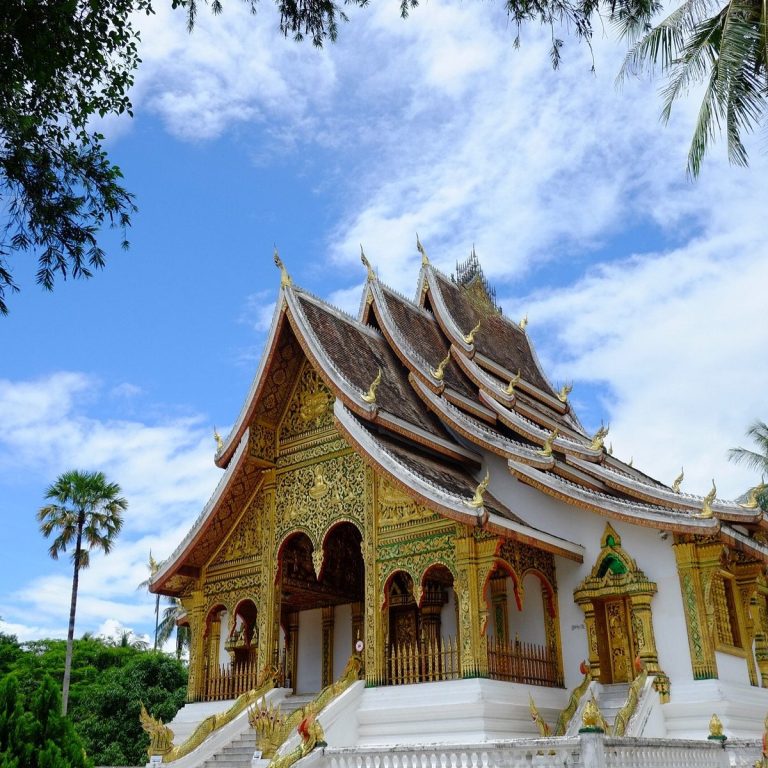
The architecture of the Royal Palace Museum reflects the Beaux-Arts style characteristic of the French colonial period. However, its thoughtful combination with traditional Lao decorative elements gives the building a distinctive and harmonious appearance.

Architecture of the Royal Palace Museum in Luang Prabang (Photo: Collected)
Curved tiled roofs, gilded decorative motifs, intricately carved supporting columns, and wooden windows with strong Asian influences create an overall design that is both historic and elegant.
2.2. The Complex of Buildings within the Palace Grounds
In addition to the main palace building, the Royal Palace Museum complex also includes:
- Haw Pha Bang – a chapel dedicated to the Prabang Buddha image
- The Royal Exhibition Hall
- The Royal Car Collection
- The Statue of King Sisavang Vong
- A carefully landscaped and peaceful garden
The buildings are arranged in a balanced layout, creating a dignified yet spacious setting that reflects the character of modern Lao royal architecture.
3. Exploring the Interior of the Royal Palace Museum
3.1. The Front Wing
The front wing of the Royal Palace Museum was used to receive government officials and diplomatic guests. Here, visitors can admire:
- Murals depicting the daily life of the Lao people in the 1930s
- A gilded Ramayana screen
- Collections of royal statues and artworks

The Front Wing (Photo: Collected)
Every detail reflects the wealth and refined lifestyle of the Lao royal family in the past.
3.2. The Throne Room
The Throne Room was used for important ceremonies and state affairs. The interior is decorated with mirrored mosaic tiles, elaborate golden motifs, and luxurious furnishings.

The Throne Room (Photo: Collected)
One of its most distinctive features is the wooden throne carved with elephant motifs, symbolizing the kingdom of Laos for centuries.
3.3. The Rear Wing
The rear wing preserves the living spaces of the royal family almost exactly as they once were, including:
- Bedrooms
- Dining rooms
- Library
- Traditional musical instrument collection
- Everyday household items
These preserved spaces give visitors a more authentic impression of daily life within the Lao royal family.
3.4. Important Treasures on Display
When visiting the Royal Palace Museum, several important treasures should not be missed.
The Prabang Buddha Image
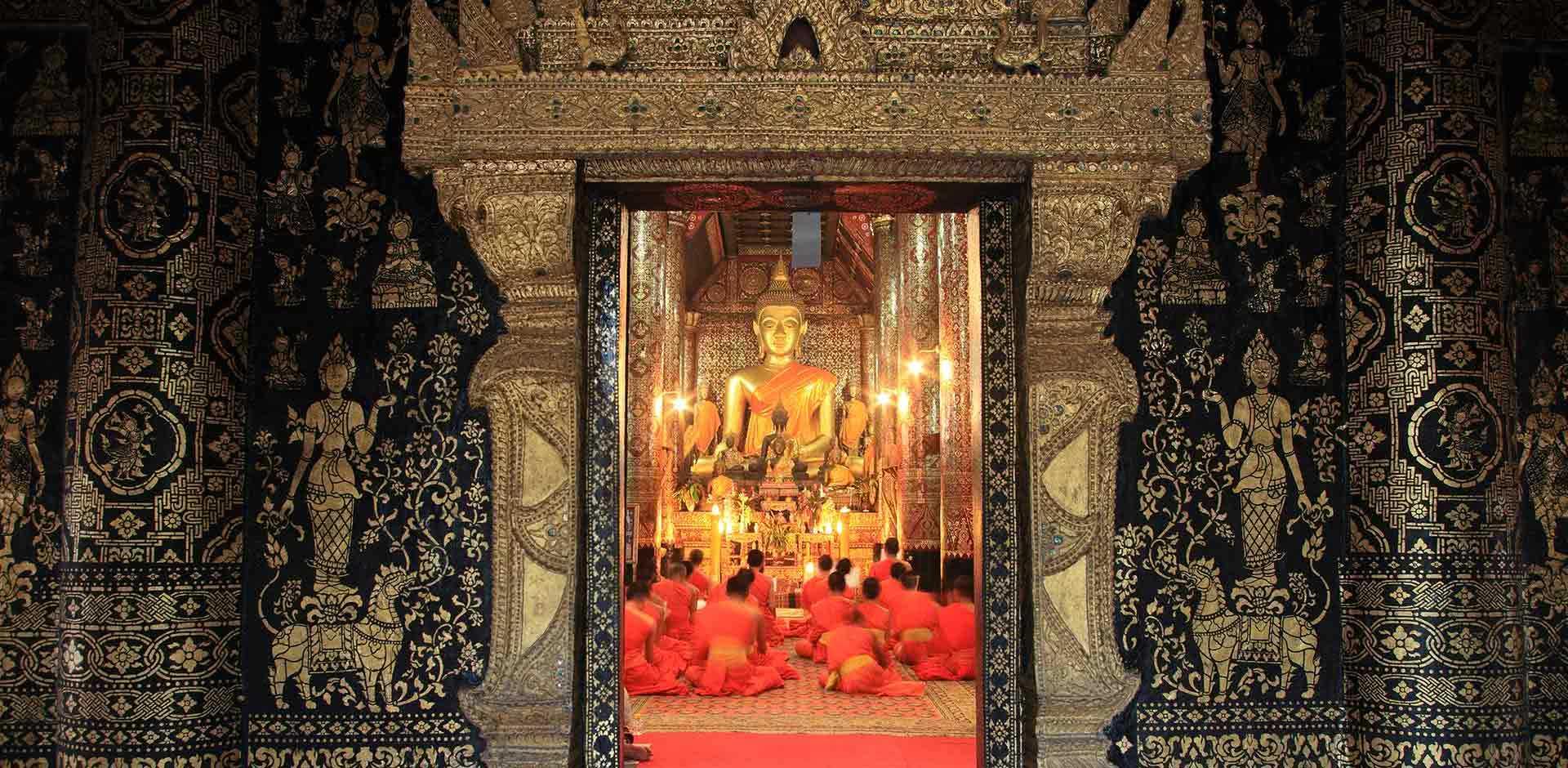
The Prabang Buddha Image (Photo: Collected)
- Cast in gold and measuring 83 cm in height
- Considered one of the most sacred Buddhist treasures of Laos
- Traditionally believed to have a history dating back more than 2,000 years
The Royal Car Collection
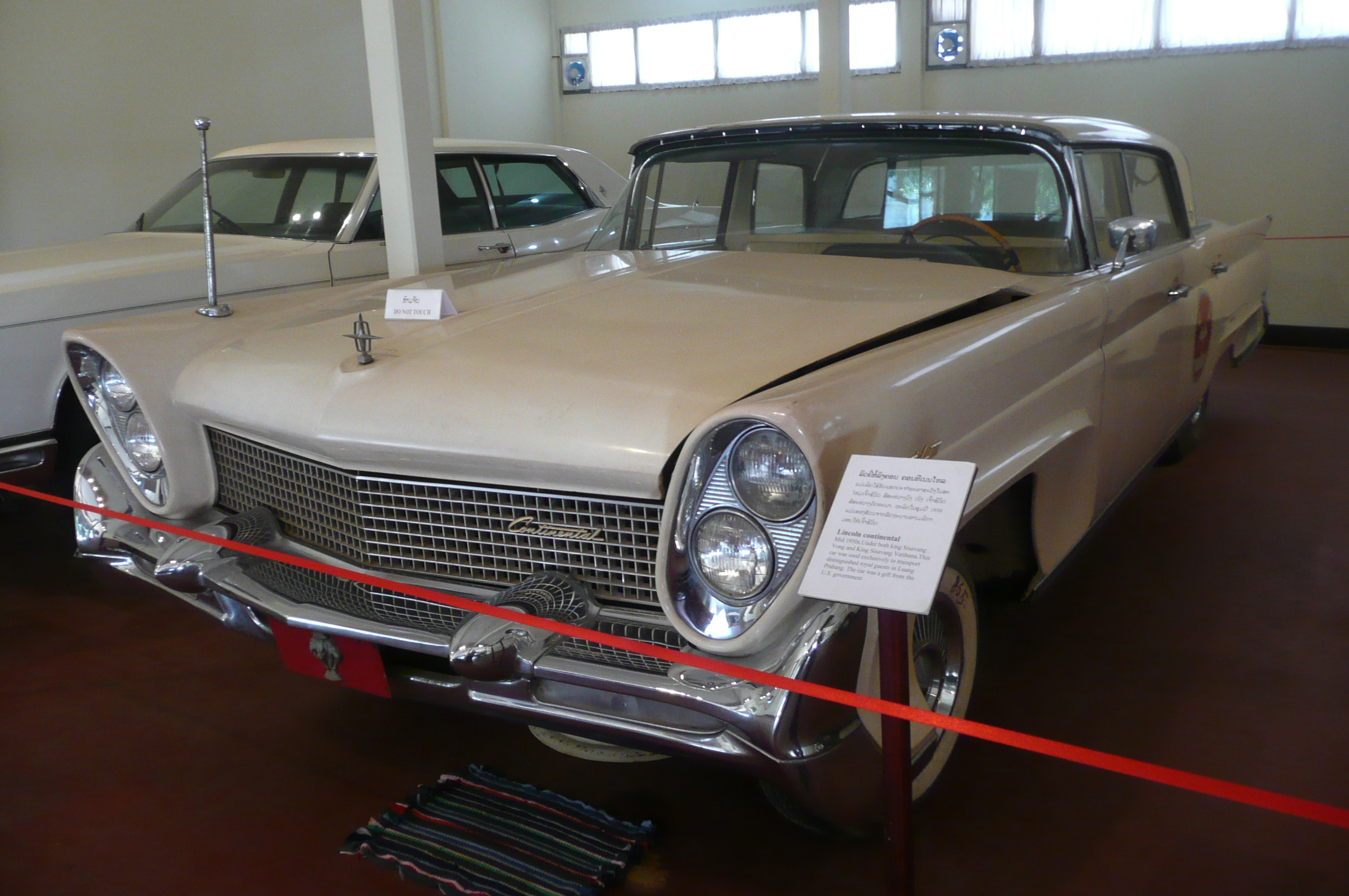
The Royal Car Collection (Photo: Collected)
The collection includes classic American cars from the 1950s to the 1970s, which were used by the king and queen during official journeys and state visits.
National Gemstones
The museum also preserves valuable gemstones that were once protected by the Lao royal family for centuries.
4. Attractions Near the Royal Palace Museum in Luang Prabang
Thanks to its central location, the Royal Palace Museum can easily be combined with several other popular attractions in Luang Prabang.
4.1. Mount Phousi
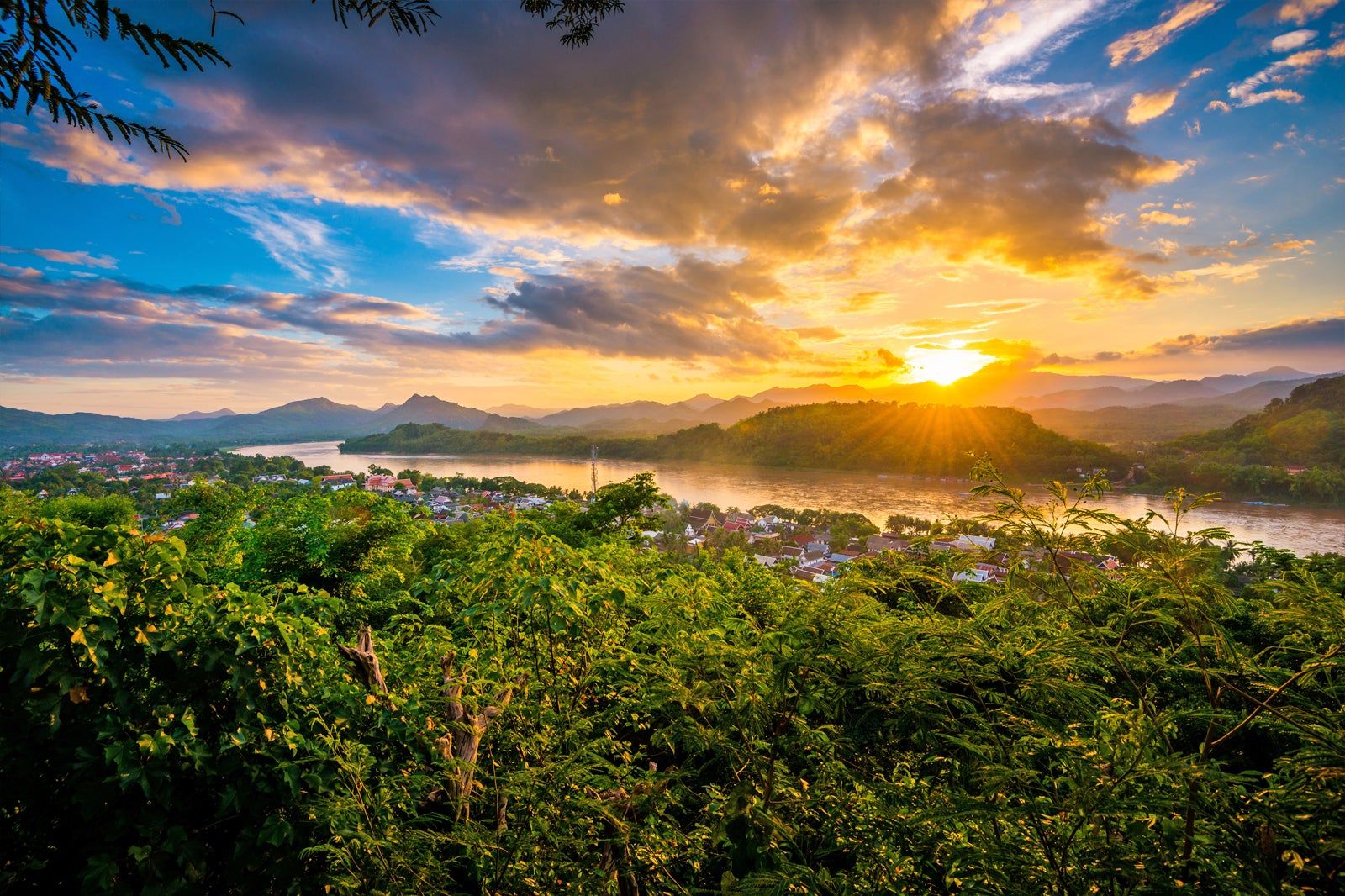
Mount Phousi (Photo: Collected)
Located just a short walk from the palace, Mount Phousi can be reached by climbing 328 steps. The summit offers spectacular views of Luang Prabang and is a popular spot for watching the sunrise and sunset.
4.2. Wat Xieng Thong
One of the most sacred temples in Luang Prabang, Wat Xieng Thong is renowned for its distinctive multi-tiered roof and famous “Tree of Life” mosaic.
4.3. Kuang Si Falls
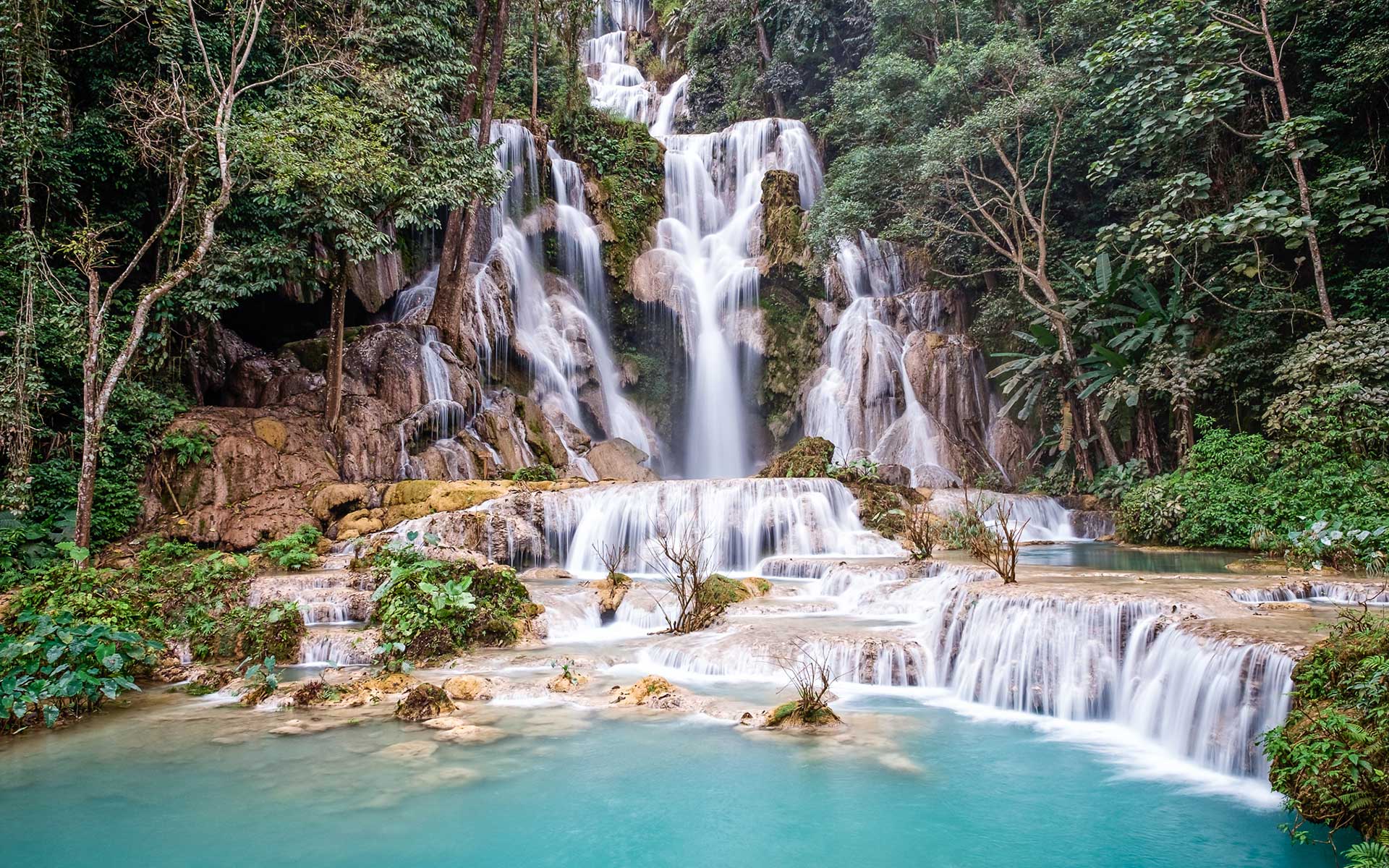
Kuang Si Falls (Photo: Collected)
Located about 30 km from the city center, Kuang Si Falls is particularly famous for its stunning turquoise pools and surrounding pristine forest landscape.
4.4. Fenchihu Village, Luang Prabang Night Market, Pak Ou Caves and More
These are also worthwhile attractions to include in your Luang Prabang itinerary.
5. Tips for Visiting the Royal Palace Museum
5.1. Opening Hours and Entrance Fee
- Morning: 08:00 – 11:30
- Afternoon: 13:30 – 16:00
- Entrance fee: 30,000 Lao Kip (approximately VND 35,000)
5.2. Dress Code and Important Notes
- Avoid wearing sleeveless tops, short skirts, or shorts.
- Cameras are not permitted inside the exhibition areas.
- Shoes must be left in the designated lockers.
6. A Historic Heritage of Luang Prabang
The Royal Palace Museum is more than a historical heritage site. It offers an authentic glimpse into Lao culture, spiritual traditions, and royal life during the country’s golden era. Visitors can admire its exquisite architecture while gaining a deeper understanding of the distinctive cultural values of Laos. Moreover, its central location makes it easy to combine with other attractions in Luang Prabang, creating a more complete and enriching travel experience.
If you are planning a trip to Luang Prabang, be sure to set aside time to visit the Royal Palace Museum – a place where the echoes of history and the spirit of a once-glorious kingdom continue to live on.