



Hue imperial city : History, Architecture & Travel Guide

When talking about Hue, visitors often think of its tranquil atmosphere, ancient architecture, and rich royal heritage. At the heart of the city lies Hue Imperial City, one of Vietnam’s most remarkable historical landmarks and an essential stop for anyone exploring the former imperial capital.
With its impressive architecture, fascinating history, and cultural significance, Hue Imperial City offers visitors a glimpse into the life of Vietnam’s Nguyen Dynasty.
Where is Hue imperial city?
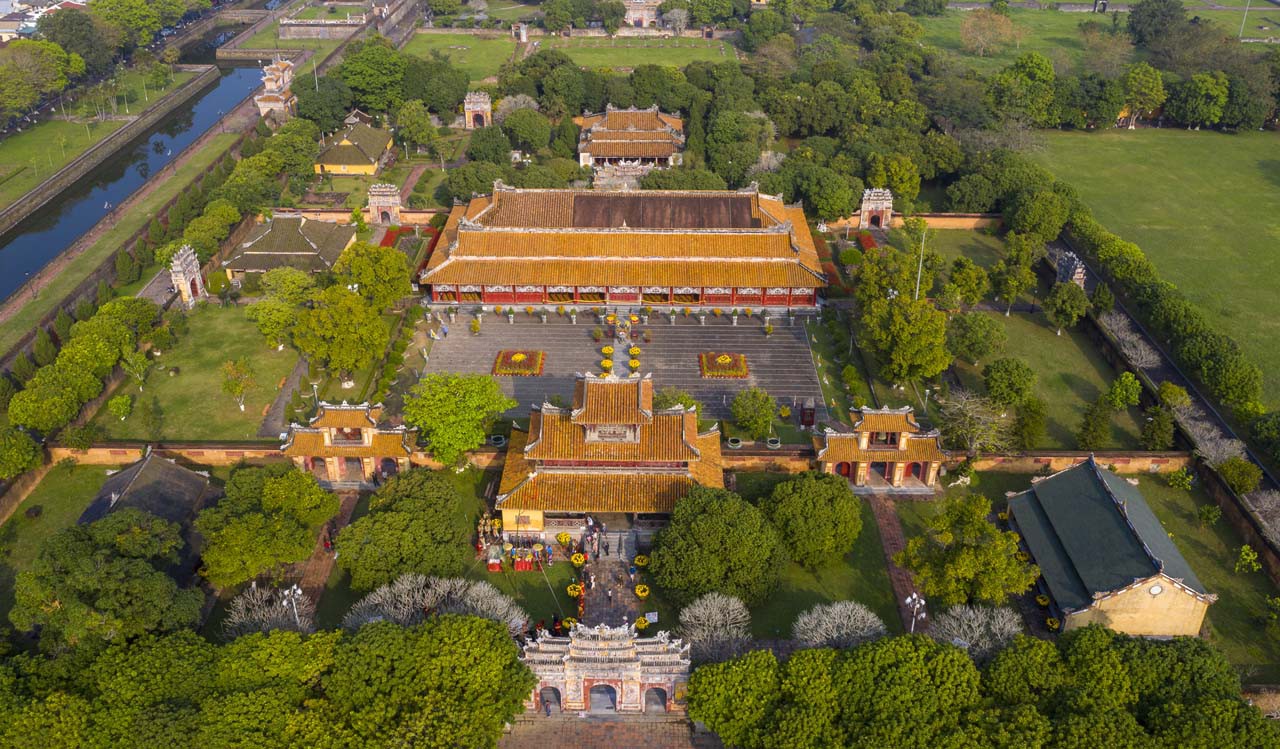
Hue Imperial City is located in the heart of Hue City, on the northern bank of the Perfume River. It forms the central part of the Hue Citadel, a large complex of palaces, temples, gates, and royal buildings constructed during the Nguyen Dynasty.
The Imperial City is surrounded by fortified walls and moats, creating a unique combination of traditional architecture, historical heritage, and natural scenery.

History of Hue imperial city
The construction of Hue Imperial City began under Emperor Gia Long, the founder of the Nguyen Dynasty, and continued throughout the reign of subsequent emperors.
The Imperial City served as an important political, cultural, and ceremonial center of the Nguyen Dynasty. It was home to royal activities and hosted many important ceremonies and events.
Over the years, Hue Imperial City witnessed numerous significant moments in Vietnamese history. As a result, its buildings are not only architectural treasures but also valuable reminders of the country’s imperial past.
In 1993, the Complex of Hue Monuments was recognized by UNESCO as a World Cultural Heritage Site, helping establish Hue as one of Vietnam’s most important cultural destinations.
Highlights of Hue imperial city
1. Ngo Mon gate
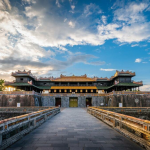
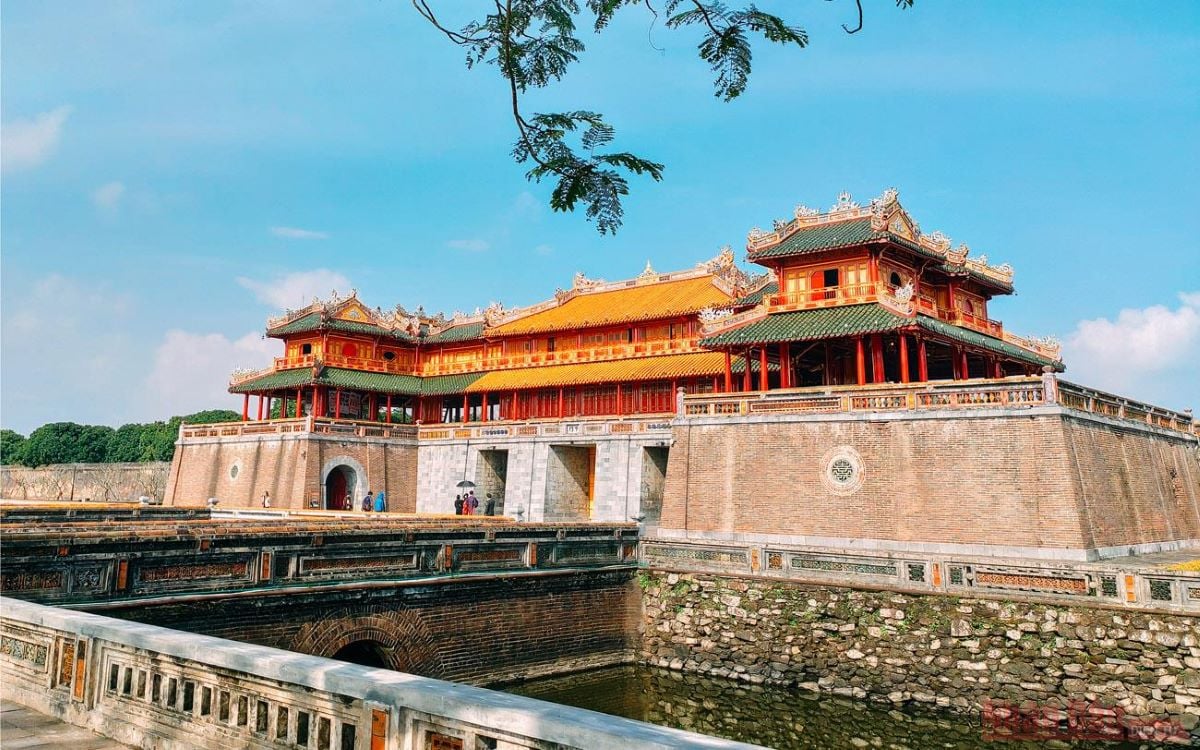
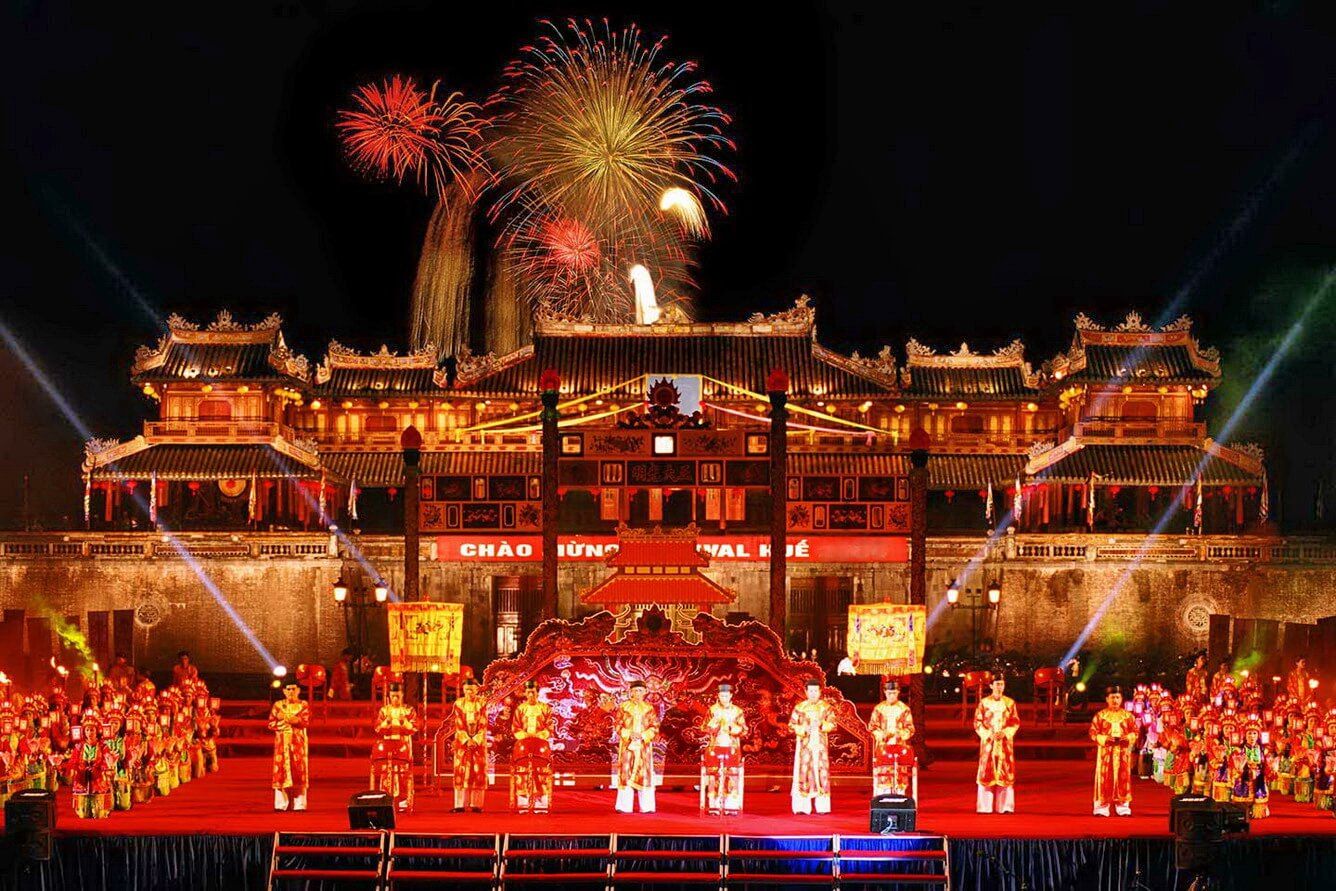
Ngo Mon Gate is one of the most recognizable landmarks of Hue Imperial City. It served as the main entrance to the Imperial City and was traditionally used for important royal ceremonies and occasions.
With its imposing structure, traditional tiled roofs, and distinctive royal architecture, Ngo Mon Gate is also one of the most popular photo spots in Hue.
2. Thai Hoa palace
Thai Hoa Palace was one of the most important buildings within the Imperial City. It was traditionally used for major royal ceremonies and formal court audiences during the Nguyen Dynasty.
The palace features elegant traditional architecture, intricate decorative details, and distinctive motifs reflecting the artistic style of imperial Vietnam.
3.The Mieu temple
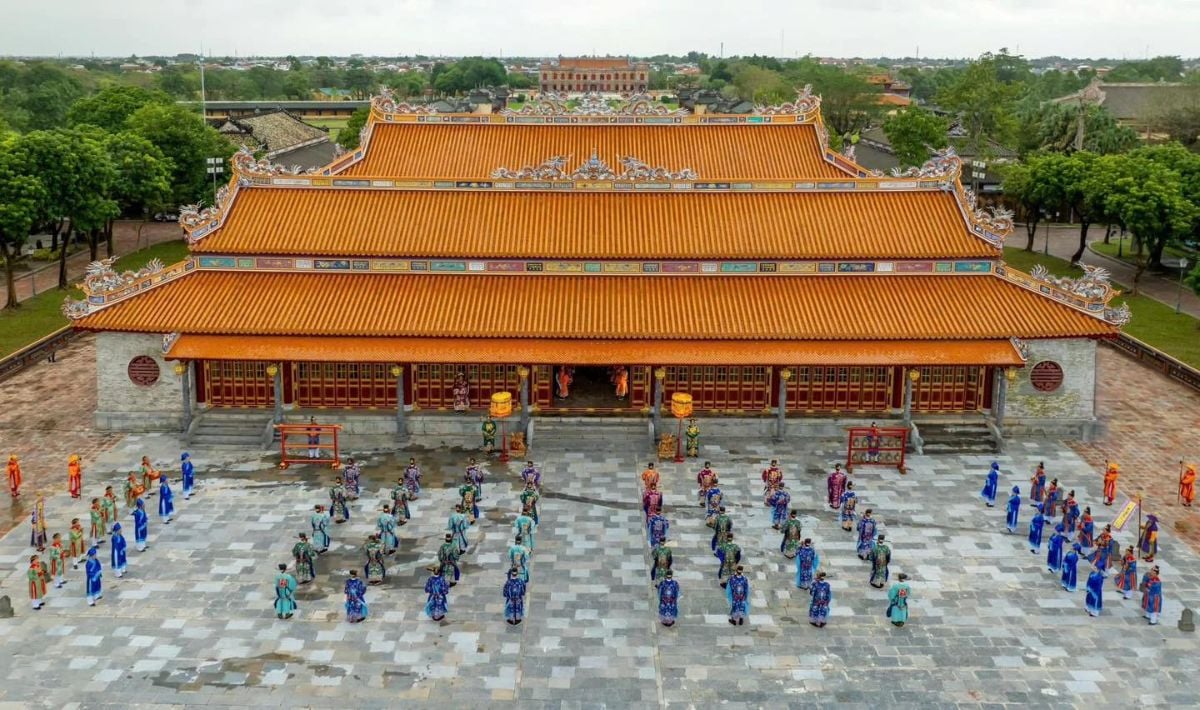
The Mieu Temple is a sacred royal temple dedicated to the emperors of the Nguyen Dynasty. Its solemn architecture reflects the importance of ancestor worship within the royal family.
A visit to The Mieu offers travelers an opportunity to learn more about the Nguyen emperors and the history of Vietnam’s last imperial dynasty.
4. The Nine dynastic urns
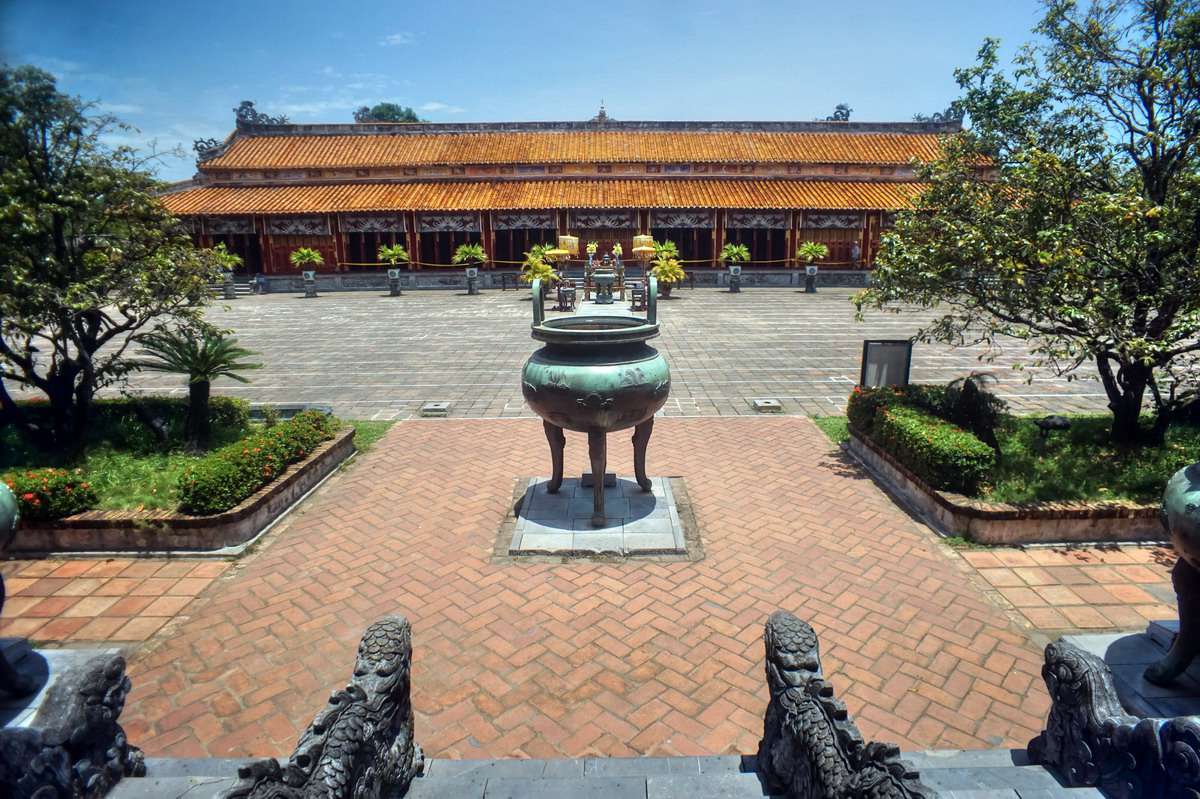
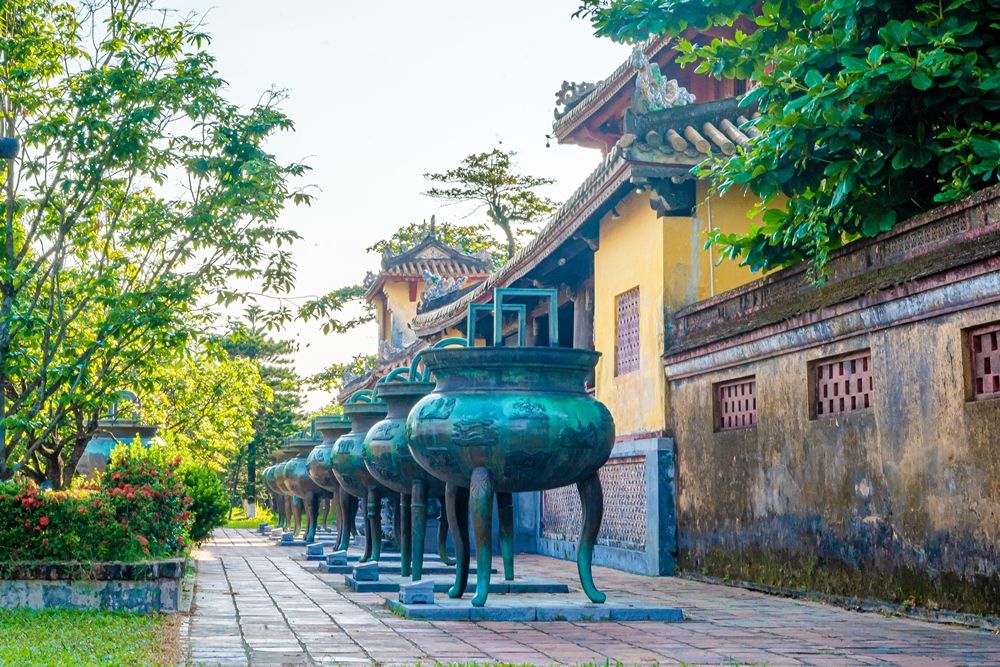
The Nine Dynastic Urns are nine large bronze urns located in front of The Mieu Temple. Each urn represents an emperor of the Nguyen Dynasty and features intricate decorations depicting landscapes, animals, plants, and symbols associated with Vietnam.
They are considered among the most valuable historical and cultural objects preserved within the Hue Imperial City.
Architecture and cultural heritage
One of the most fascinating aspects of Hue Imperial City is the harmonious combination of architecture, nature, and traditional feng shui principles.
The major buildings were arranged along carefully planned axes, creating a balanced and imposing royal complex. Traditional colors, including golden roof tiles, red walls, and elaborate decorative patterns, contribute to the distinctive character of Hue’s imperial architecture.
Beyond its architecture, the Imperial City preserves important cultural, artistic, and historical values. It provides visitors with a deeper understanding of royal life and Vietnamese traditions during the Nguyen Dynasty.
Travel tips for visiting Hue imperial city
Visitors should allow several hours to explore Hue Imperial City, as the complex covers a relatively large area. Comfortable clothing and walking shoes are recommended, especially if you plan to explore the major buildings and surrounding grounds.
Morning and late afternoon are generally pleasant times to explore the site and take photographs. Learning a little about the history of the Nguyen Dynasty before your visit can also make the experience much more meaningful.
Hue Imperial City can easily be combined with other popular attractions such as Thien Mu Pagoda, Khai Dinh Tomb, Minh Mang Tomb, and the Perfume River, allowing travelers to discover more of Hue’s cultural heritage in a single trip.
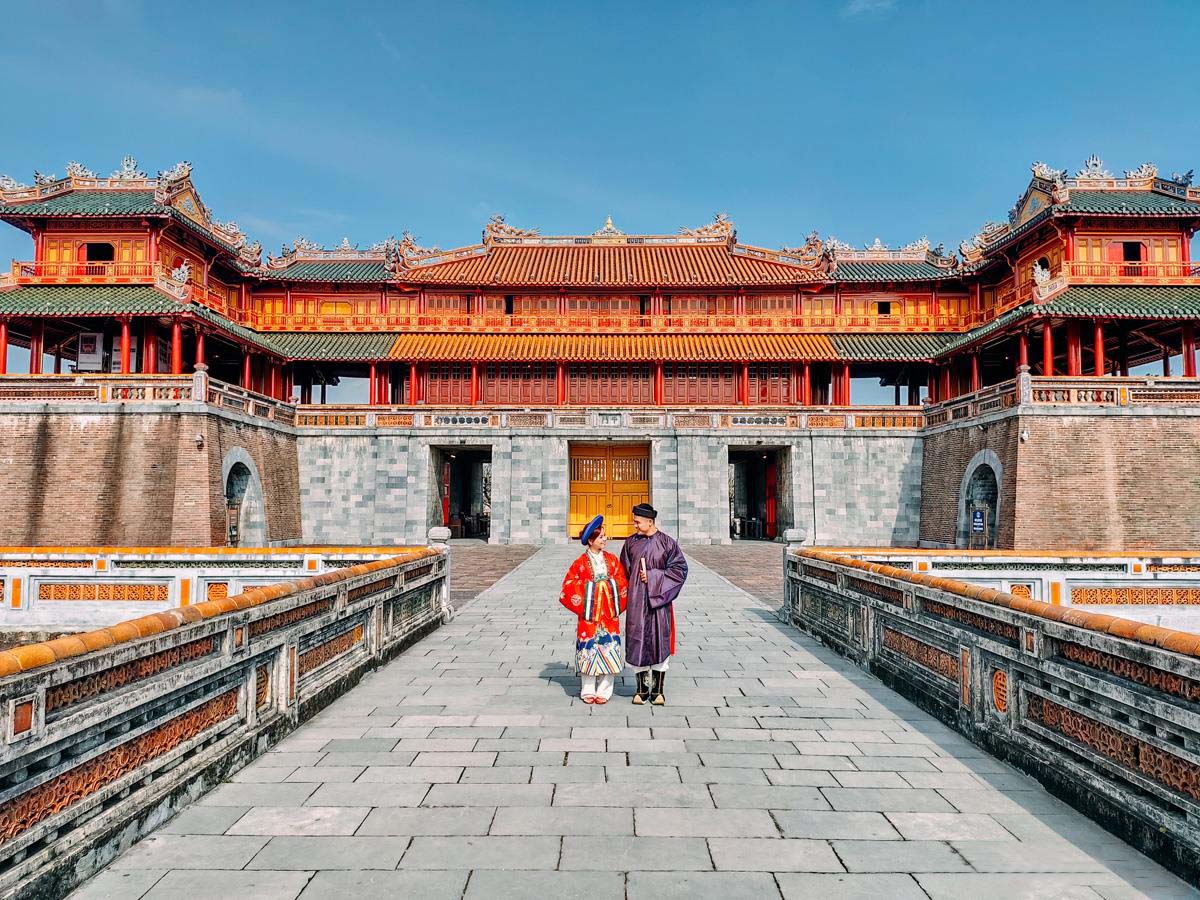
Hue Imperial City is a remarkable symbol of Vietnam’s imperial history and cultural heritage. Its ancient gates, royal palaces, temples, and historic artifacts offer visitors a glimpse into the Nguyen Dynasty. For anyone traveling to Hue, a visit to the Imperial City is a great way to experience the history, architecture, and timeless charm of Vietnam’s former imperial capital.
Focus Asia Travel – Your Trusted Travel Partner in Hue
Planning a trip to Hue ? Focus Asia Travel is here to help you create a smooth, enjoyable, and hassle-free travel experience. Whether you’re looking for customized tours, transportation, accommodation, or local travel advice, our experienced team is ready to assist you every step of the way.
Contact Focus Asia Travel for a free consultation
📞 Hotline: +84 78 2323 879 | +84 93 6179 995 | +84 93 645 9995 | +84 79 3113 879
📧 Email: sales@focusasiatravel.com | sales@focusasiatravel.vn
Our dedicated travel consultants are always available to help you choose the best travel solutions, ensuring your journey is convenient, memorable, and cost-effective.