





Imperial city of Hue – A UNESCO world cultural heritage site

Hue is not only renowned for the poetic beauty of the Perfume River and Ngu Binh Mountain but also for the Hue Complex of Monuments, the first cultural heritage site in Vietnam to be inscribed on the UNESCO World Heritage List. Rich in history, architecture, and cultural significance, this remarkable destination offers visitors a fascinating journey into Vietnam’s imperial past.

Where is the Hue Complex of Monuments?
The Hue Complex of Monuments is located in Hue City, Thua Thien Hue Province (now Hue City under the centrally governed municipality) in central Vietnam. The heritage site consists of numerous historical landmarks spread across the city and surrounding areas, including the Imperial City, royal palaces, mausoleums, temples, and other architectural masterpieces built during the Nguyen Dynasty—the last feudal dynasty of Vietnam.
History of the Hue Complex of Monuments
Hue served as the political and cultural center of Vietnam for nearly four centuries (1558–1945). It was first the capital of the Nguyen Lords, later the capital of the Tay Son Dynasty, and eventually became the imperial capital of the Nguyen Dynasty.
Construction of the Imperial City began in 1805 under Emperor Gia Long after he unified the country. Successive emperors expanded and enhanced the complex, creating one of the finest examples of imperial architecture in Southeast Asia.
Recognizing its exceptional historical and cultural value, UNESCO officially designated the Hue Complex of Monuments as a World Cultural Heritage Site on December 11, 1993. Today, it stands as one of Vietnam’s most treasured heritage attractions, welcoming millions of domestic and international visitors every year.
Highlights of the Hue Complex of Monuments
1. Hue Imperial Citadel
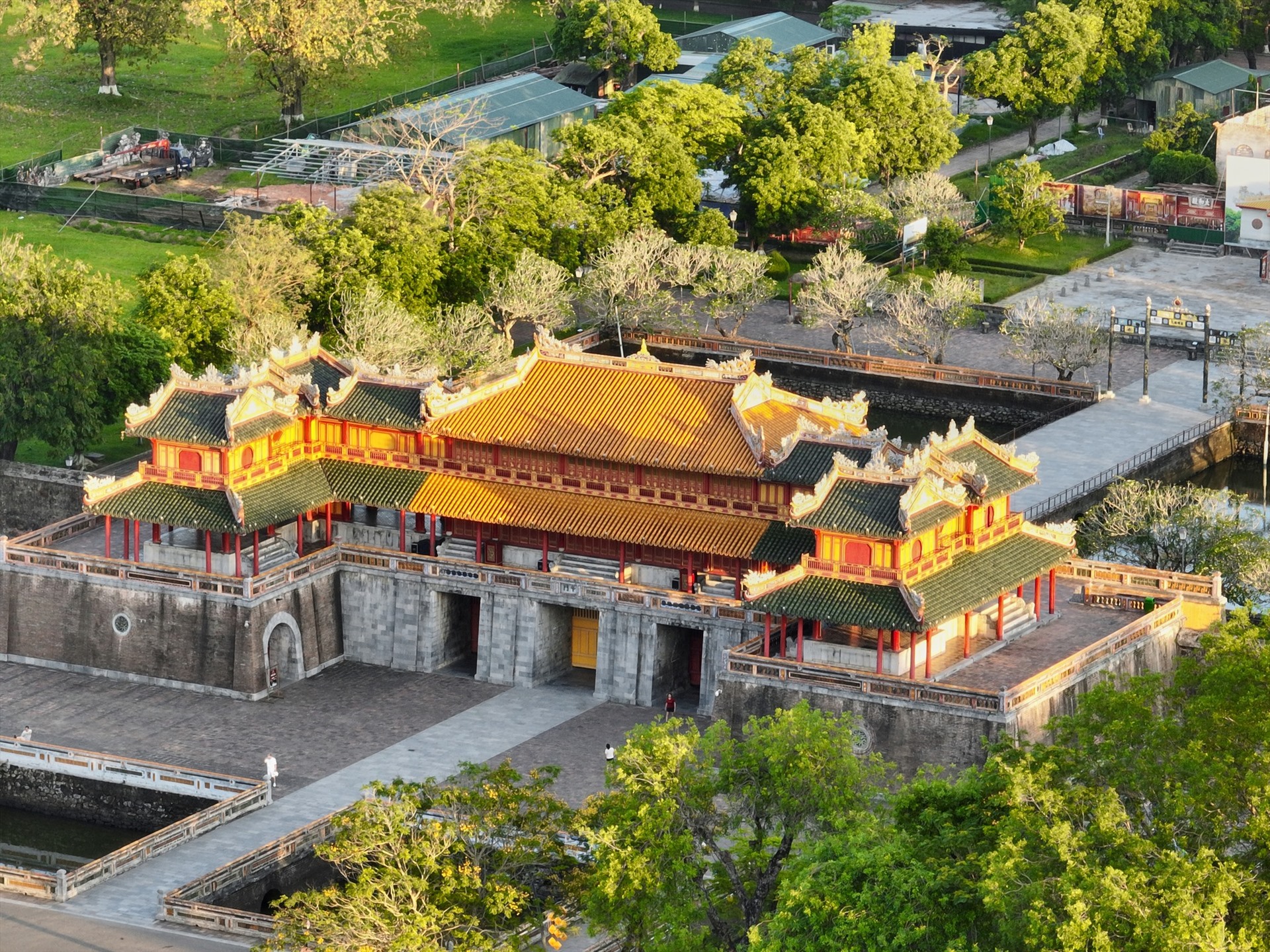
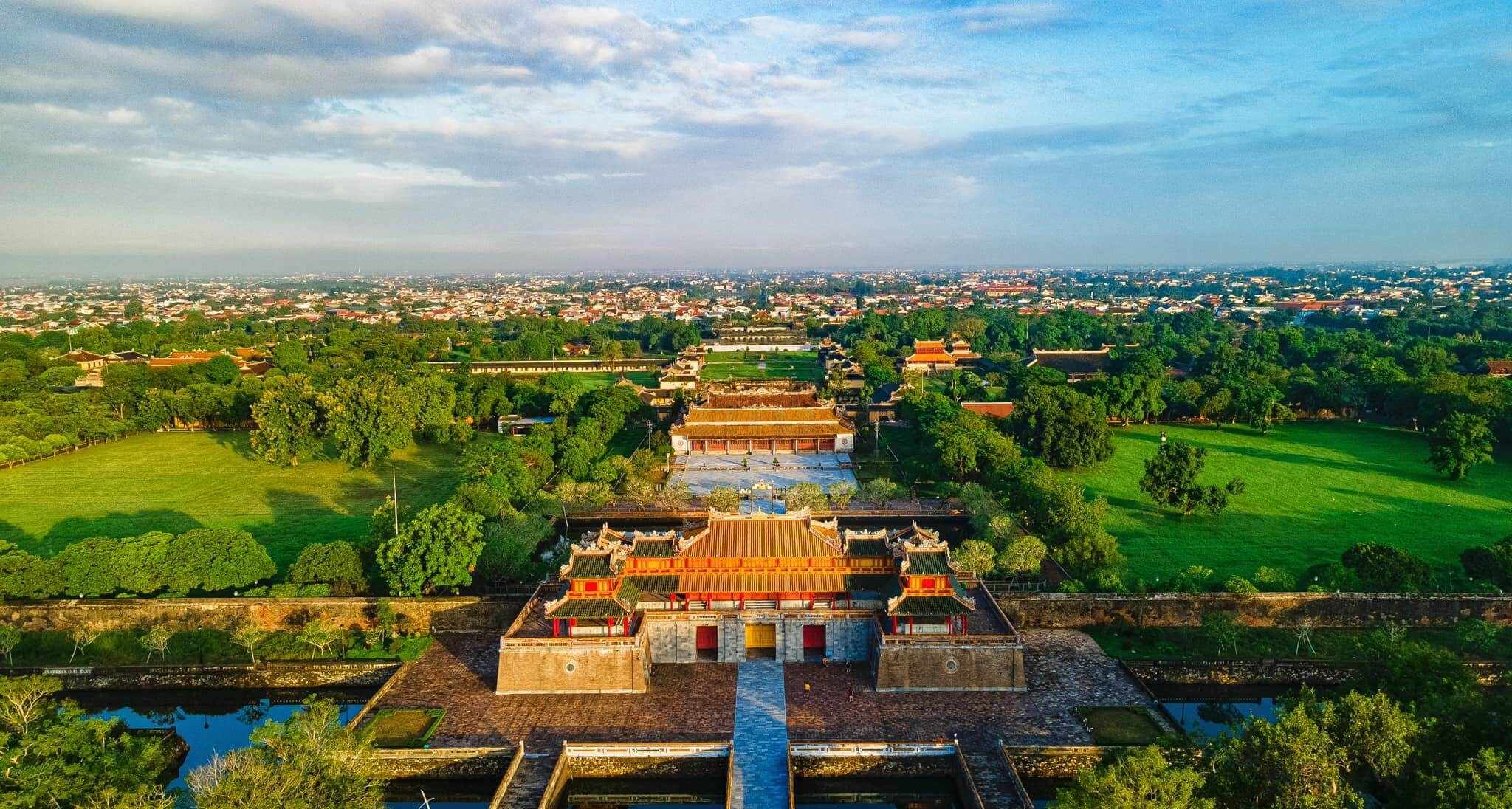
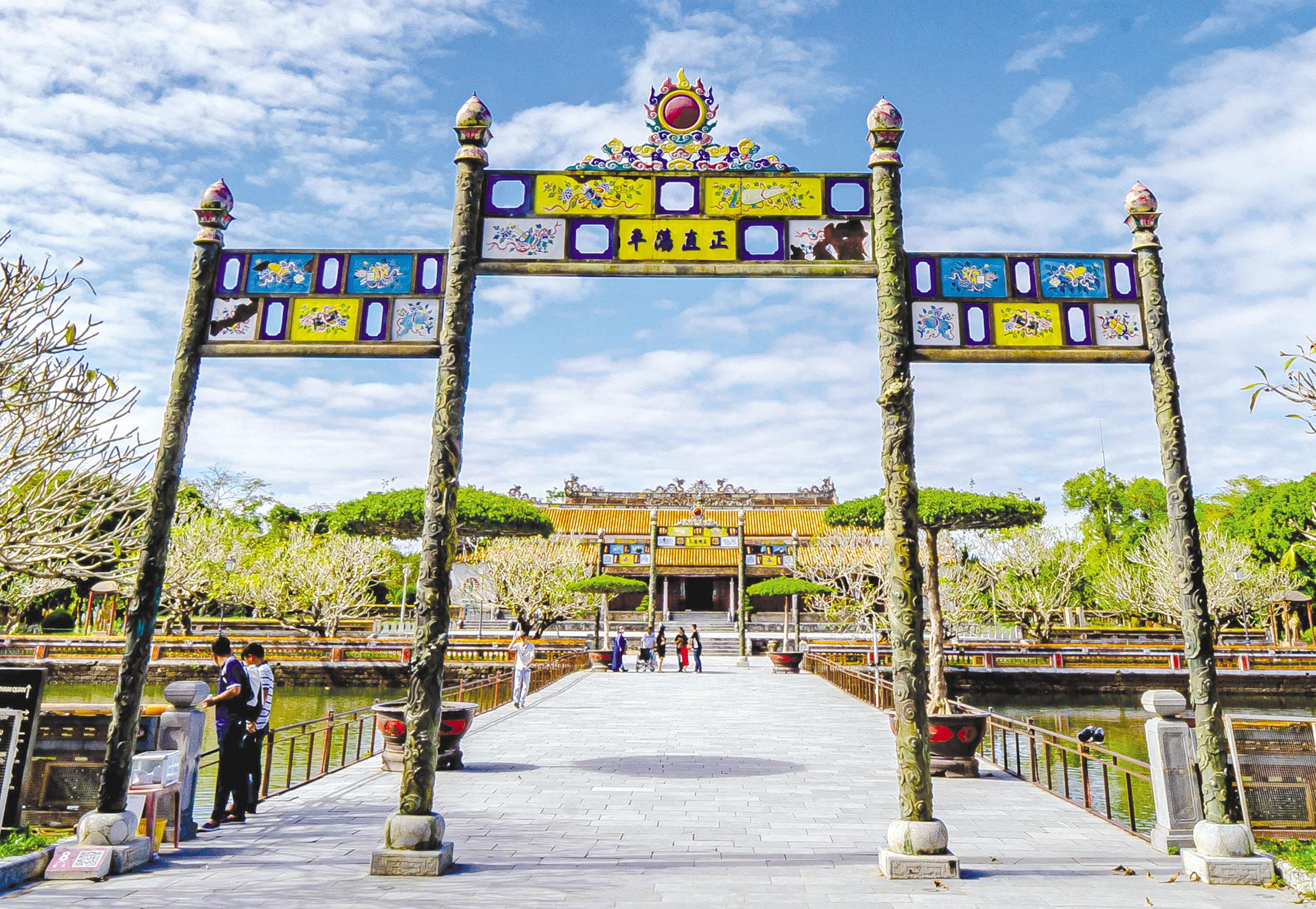
The Hue Imperial Citadel is the centerpiece of the heritage complex. Built according to traditional Eastern philosophy combined with advanced military engineering of the time, the Citadel is surrounded by massive brick walls, moats, and impressive gates.
Its harmonious integration with the surrounding landscape, including the Perfume River and Ngu Binh Mountain, reflects the ancient principles of geomancy (Feng Shui), creating a unique balance between nature and architecture.
2. The Imperial City and Forbidden Purple City
Inside the Citadel lies the Imperial City, the administrative and ceremonial center of the Nguyen Dynasty.
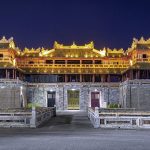
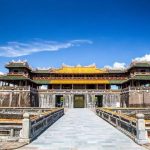
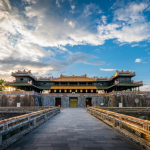
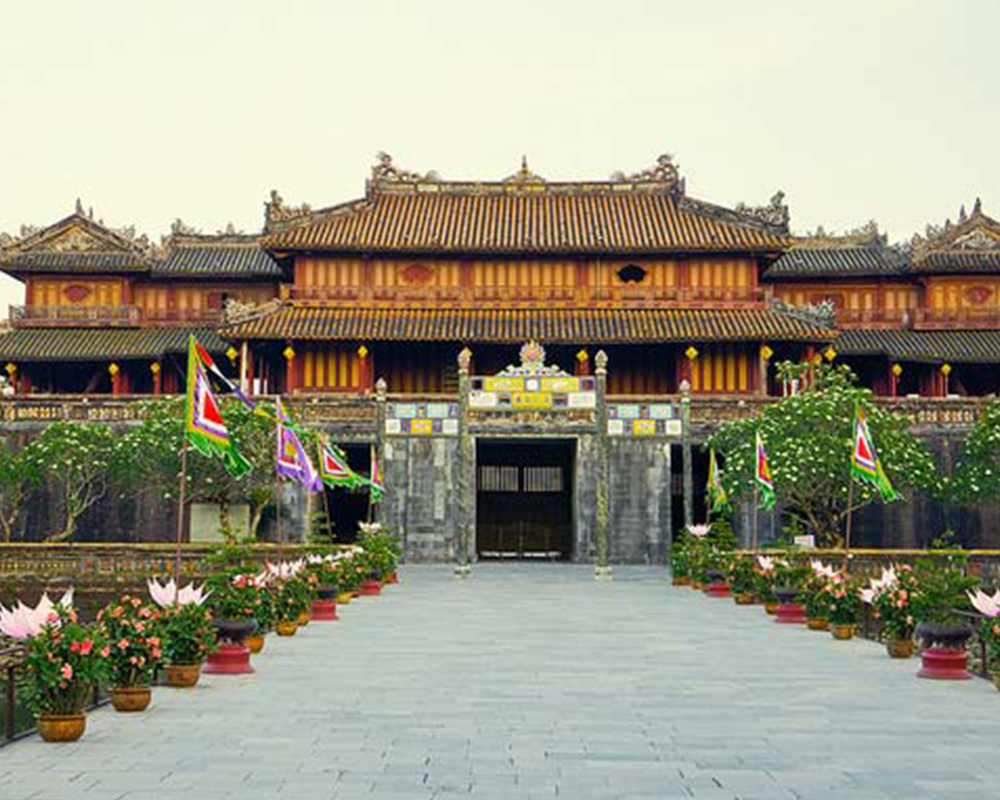
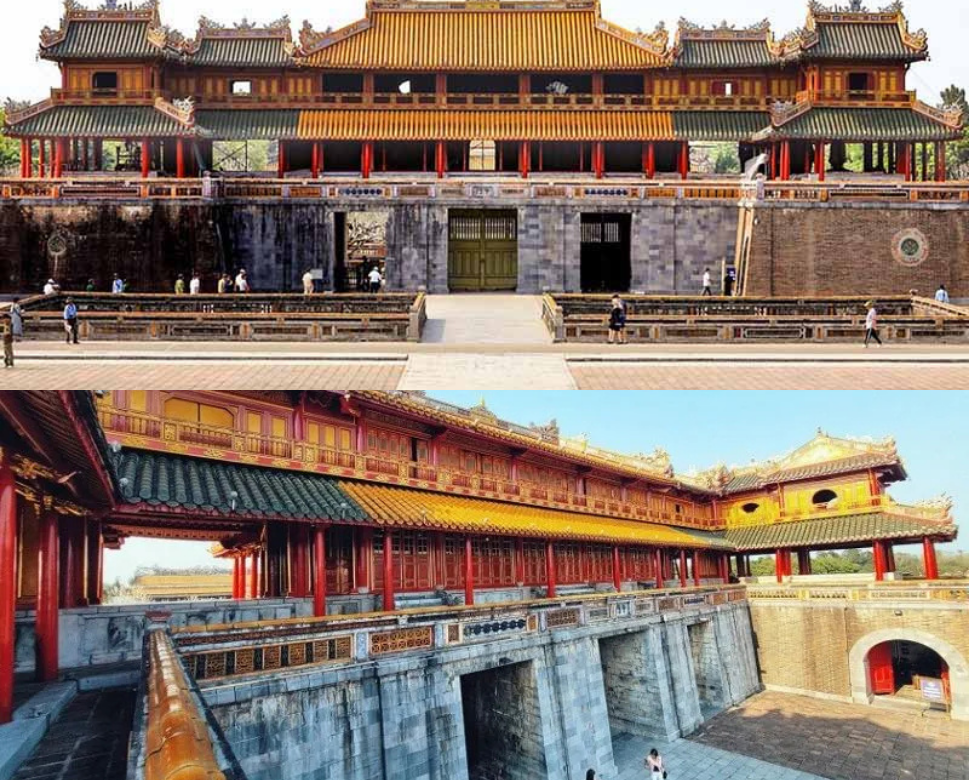
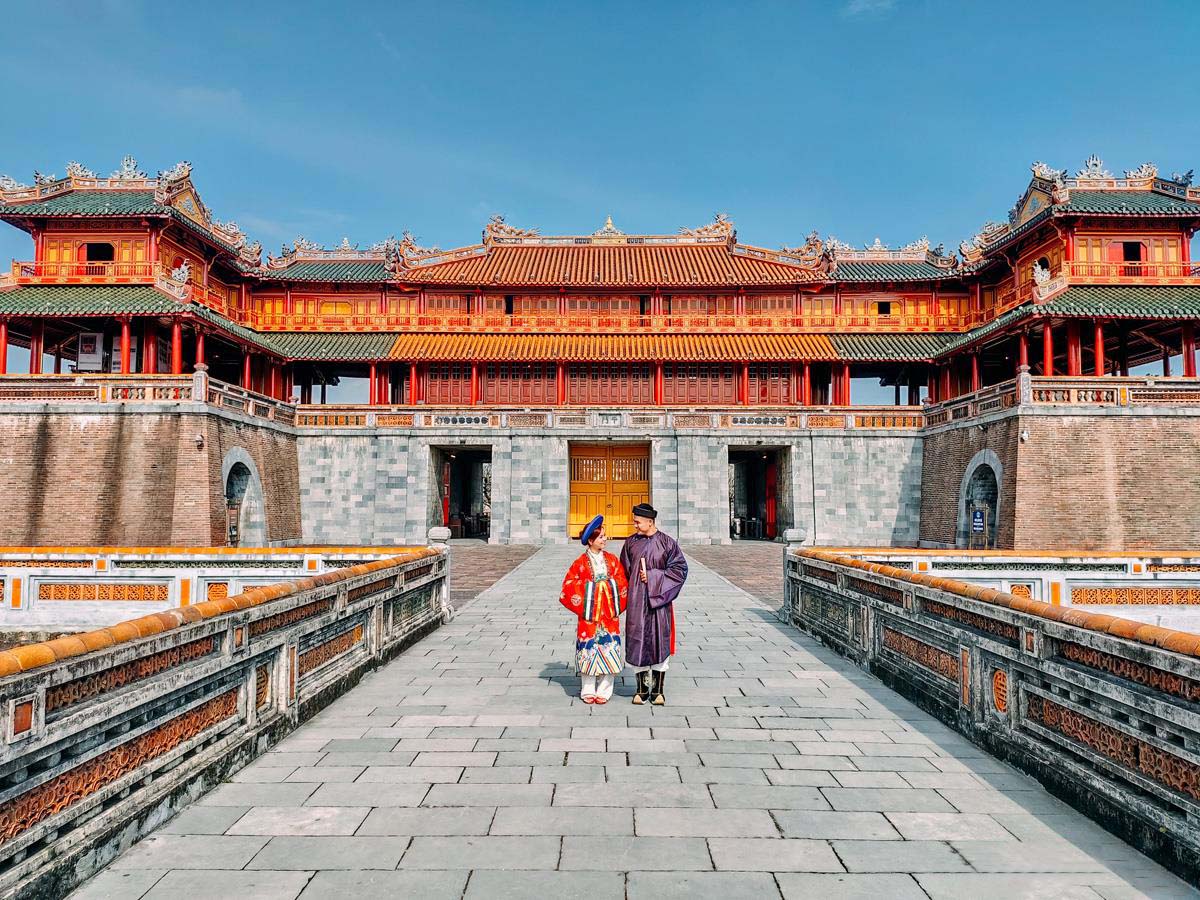
One of its most iconic landmarks is Ngo Mon Gate, the grand southern entrance where important royal ceremonies were held.
Beyond Ngo Mon stands the Forbidden Purple City, once reserved exclusively for the emperor, the royal family, and selected court officials. Although many buildings were damaged during wars, ongoing restoration projects continue to preserve its historical significance and architectural beauty.
3. Royal Tombs of the Nguyen Emperors
The royal mausoleums are among the finest architectural achievements of Vietnam.
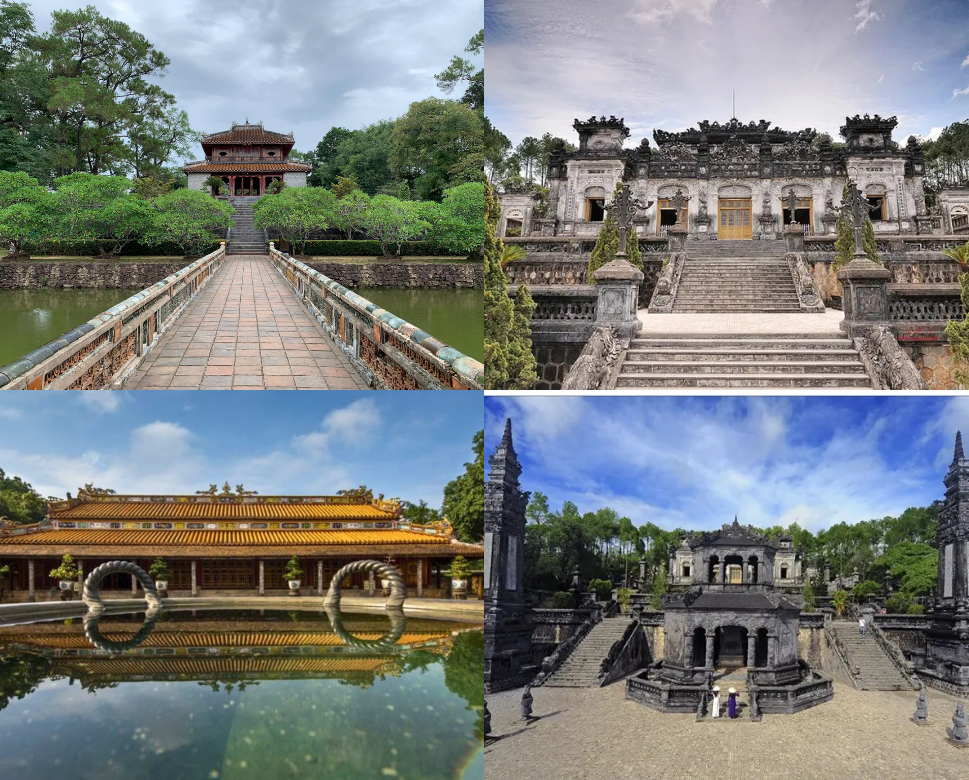
Each tomb reflects the personality, philosophy, and artistic taste of its emperor:
- • Gia Long Tomb harmonizes with untouched natural landscapes.
- • Minh Mang Tomb is admired for its perfect symmetry and elegant design.
- • Tu Duc Tomb resembles a peaceful retreat surrounded by lakes and pine forests.
- • Khai Dinh Tomb combines traditional Vietnamese architecture with European influences, creating an extraordinary artistic masterpiece.
Together, these royal tombs represent the pinnacle of Nguyen Dynasty architecture and landscape planning.
4. Temples and Cultural Landmarks
Beyond the palaces and mausoleums, the heritage complex includes many culturally significant sites such as:
- • Hue Temple of Literature (Van Mieu)
- • Vo Mieu (Temple of Martial Arts)
- • Hon Chen Palace
- • An Dinh Palace
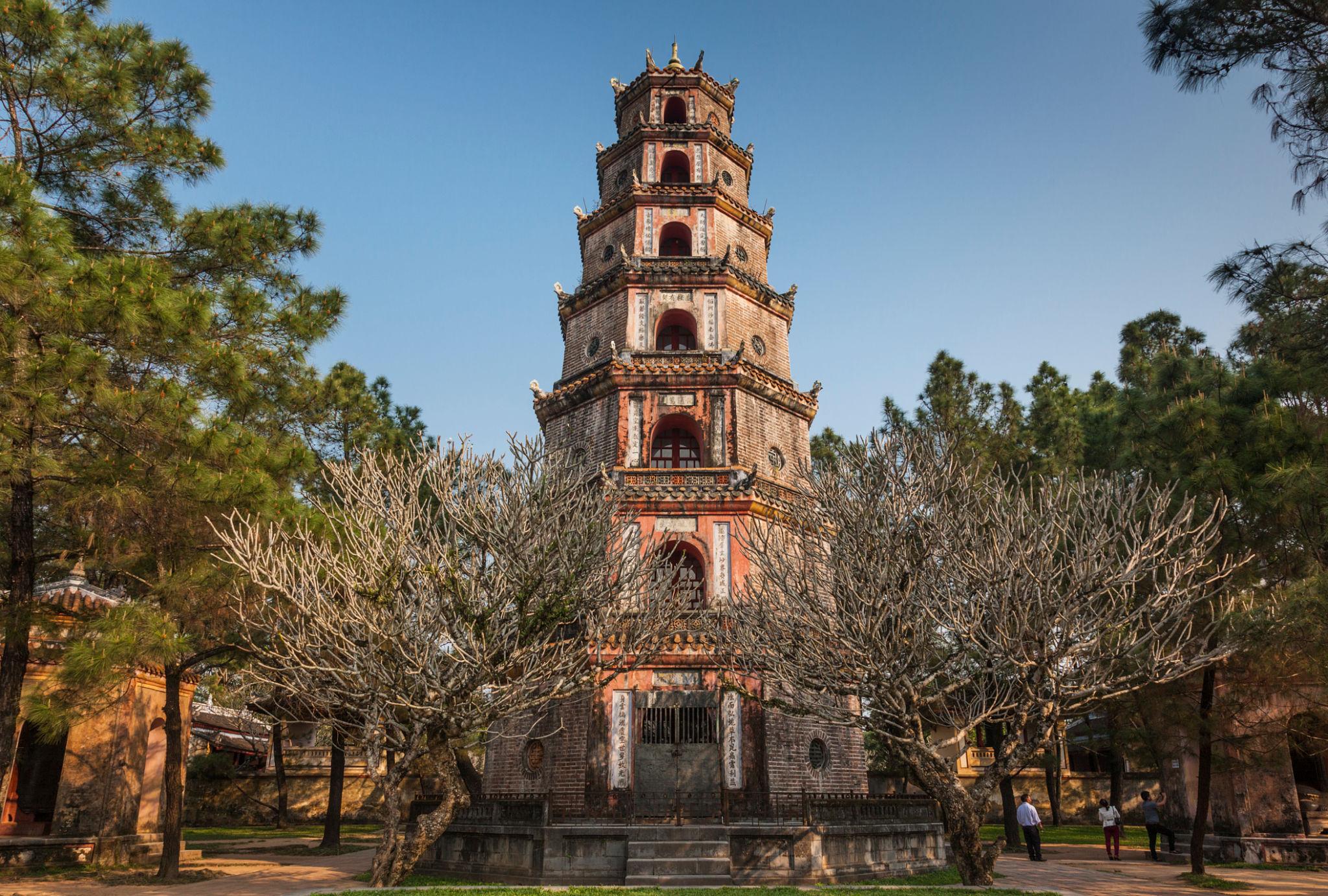
- • Numerous ancient pagodas, including the famous Thien Mu Pagoda
These monuments showcase the rich spiritual, educational, and artistic traditions of imperial Vietnam.
Outstanding Heritage Values
The Hue Complex of Monuments is recognized not only for its architectural magnificence but also for its immense historical and cultural importance.
It represents the most complete surviving example of a Vietnamese feudal capital, preserving royal palaces, ceremonial spaces, defensive structures, temples, and royal tombs within a carefully planned urban landscape.
What makes Hue particularly remarkable is the harmonious relationship between its architecture and natural surroundings. Mountains, rivers, gardens, and royal buildings were all thoughtfully integrated according to traditional Feng Shui principles, creating an exceptional cultural landscape rarely found elsewhere in Asia.
Travel Tips for Visiting Hue Complex of Monuments
To fully experience this UNESCO World Heritage Site, visitors are recommended to spend at least two days exploring the area.
Suggested itinerary:
- • Explore the Hue Imperial Citadel, Imperial City, and Forbidden Purple City.
- • Visit the royal tombs of Minh Mang, Tu Duc, and Khai Dinh.
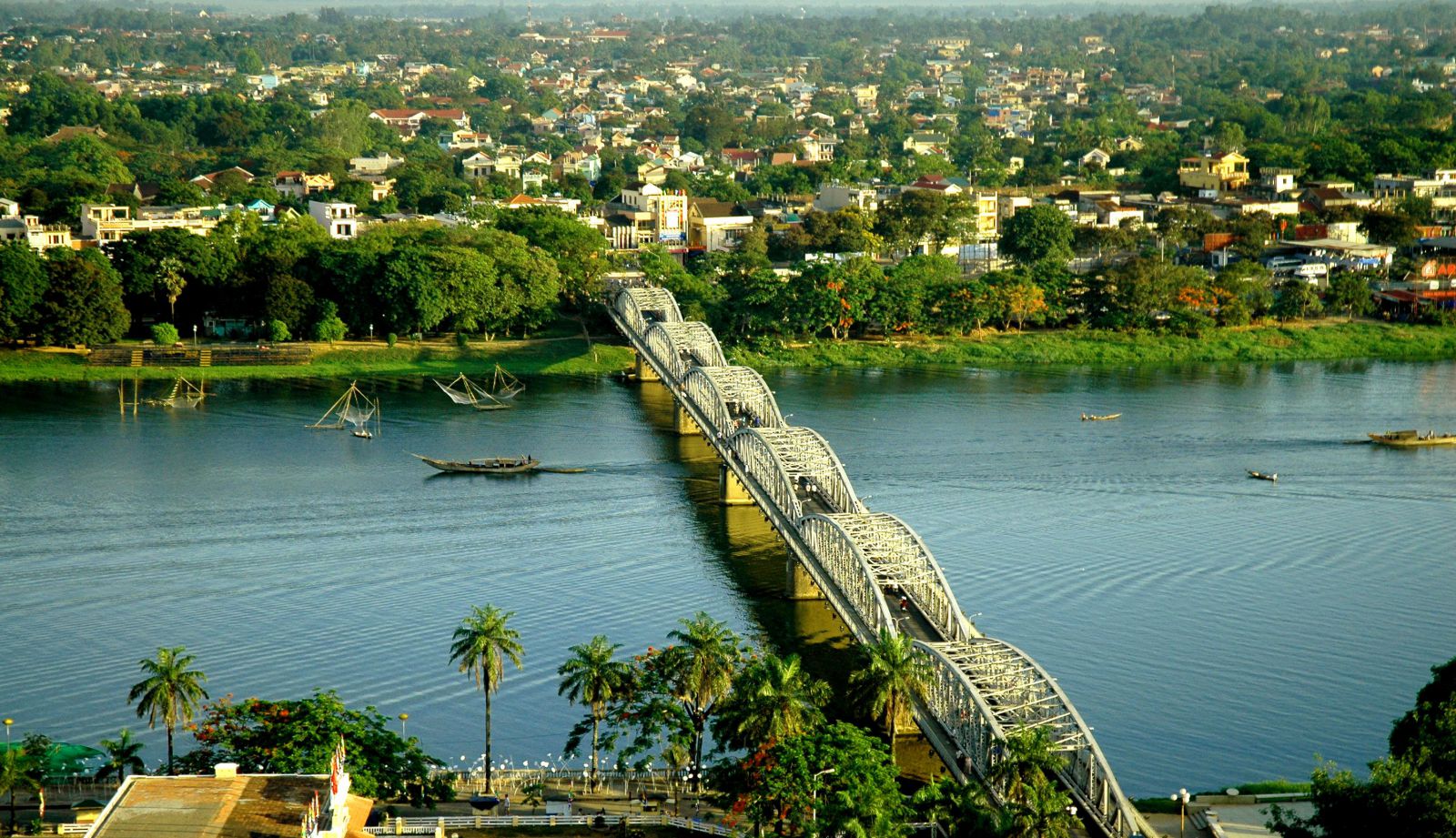
- • Discover Thien Mu Pagoda and enjoy a boat cruise along the Perfume River.
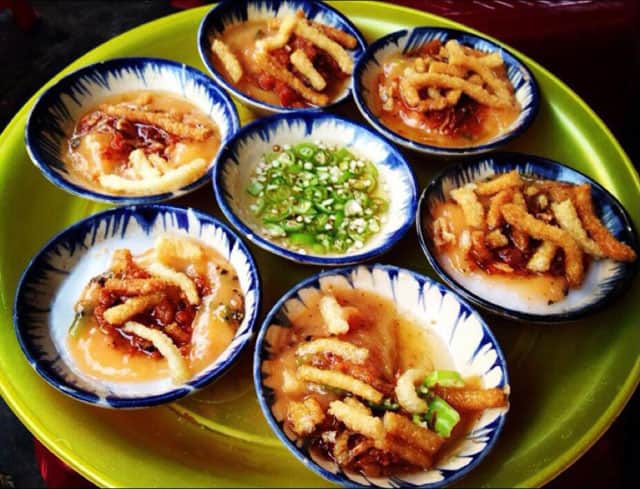
- • Taste Hue’s famous royal cuisine and traditional local dishes.
- • Visit between March and August, when the weather is generally sunny and ideal for sightseeing.
Why Visit the Hue Complex of Monuments?
Every monument in Hue tells a unique story about Vietnam’s imperial history and cultural development. From majestic palaces and peaceful royal tombs to sacred temples and picturesque landscapes, the Hue Complex of Monuments offers an unforgettable experience for travelers seeking history, culture, and architectural beauty.
Whether you are a history enthusiast, a photography lover, or simply someone looking to immerse yourself in Vietnam’s rich heritage, Hue promises a journey through centuries of royal splendor.
The Hue Complex of Monuments is far more than a collection of ancient buildings-it is a living testament to Vietnam’s royal heritage, architectural brilliance, and enduring cultural identity. As the country’s first UNESCO World Heritage Site, it continues to inspire visitors from around the world with its timeless elegance and historical significance.
A visit to Hue is an opportunity to step back in time, explore the legacy of the Nguyen Dynasty, and appreciate the harmonious blend of architecture, nature, and tradition. Whether you are planning your first trip to Vietnam or returning to discover more of its cultural treasures, the Hue Complex of Monuments deserves a place at the top of your travel itinerary.
Focus Asia Travel – Your Trusted Travel Partner in Hue
Planning a trip to Hue? Focus Asia Travel is here to help you create a smooth, enjoyable, and hassle-free travel experience. Whether you’re looking for customized tours, transportation, accommodation, or local travel advice, our experienced team is ready to assist you every step of the way.
Contact Focus Asia Travel for a free consultation
📞 Hotline: +84 78 2323 879 | +84 93 6179 995 | +84 93 645 9995 | +84 79 3113 879
📧 Email: sales@focusasiatravel.com | sales@focusasiatravel.vn
Our dedicated travel consultants are always available to help you choose the best travel solutions, ensuring your journey is convenient, memorable, and cost-effective.