





Houaphanh: Caves, Culture, and the Spirit of Revolution

In northern Laos, the province of Houaphanh offers more than a mere fresh mountain breeze and serene villages. This secret land speaks of survival, age-old customs, and hidden caves that molded a nation. If mountains and history resonate with you, then Houaphanh beckons you to walk on those same trails where revolutions began, but beauty has remained an ally along the way.
1. Introduction
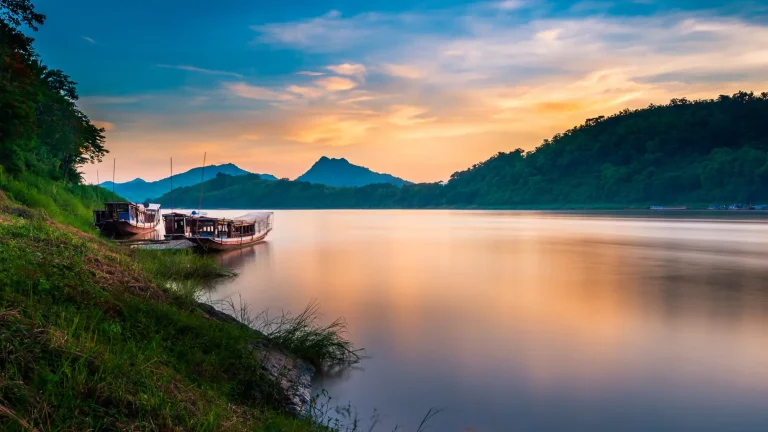
Houaphanh, Laos (Photo: Collected)
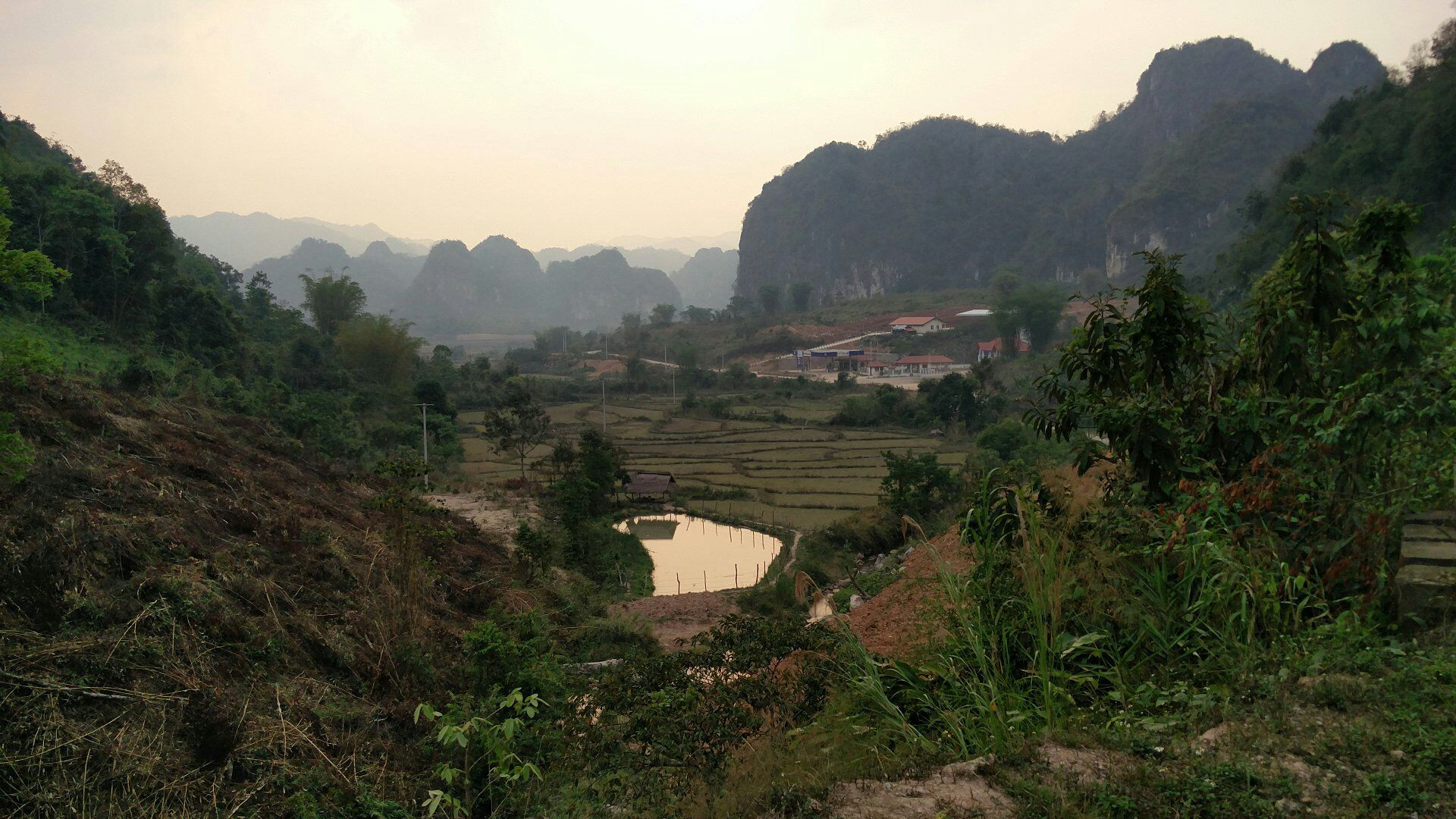
Houaphanh Province is a part of Northeastern Laos. Highlight of Houaphanh – a dream destination for those who love mountains and nature. Besides natural beauty, Houaphanh holds special historic significance for the Indochina Wars. Today, this province has grown into an attractive eco-tourism destination that lures tourists by offering them chances to get into pristine nature.
>>> See more: If you’re planning to explore Indochina – especially the captivating country of Laos – check out Focus Asia Travel’s LAOS DISCOVERY TOUR 5D4N!
2. Location of Houaphanh
Houaphanh (or Houaphan) is a province located in northeastern Laos, with its capital situated in Sam Neua. The province covers an area of 16,500 km2. As of 2024, the population of the province is 309,393 people. This province shares borders with Xieng Khouang Province to the south and southwest, and Luang Prabang City to the west.

Map of Houaphan Province, Laos (Photo: Collected)
3. History of Houaphanh
In the past, this area was known as the Kingdom of Muang Phuan. With the changes of time, at the end of the 19th and the beginning of the 20th century, Houaphanh became part of Indochina under the colonial rule of the French.
By the late 1940s, influenced by the war, Houaphanh became the center of activity for the Pathet Lao, led by President Kaysone Phomvihane. With its rugged mountainous terrain, Pathet Lao utilized the caves in the area to establish bases, most notably the Vieng Xai caves. Leveraging the advantages of nature, Pathet Lao achieved victory, and Houaphanh became part of the Lao People’s Democratic Republic.
Following the course of history, today, Houaphanh is promoting the development of tourism infrastructure and implementing policies to attract tourists from around the world to explore the natural beauty as well as the historical and cultural heritage of Houaphanh.
4. Some destinations of Houaphanh
Currently, Houaphanh boasts a total of 157 tourist destinations, comprising 64 scenic spots, 64 historical sites, and 29 cultural attractions. Some prominent tourist spots include the cave system in Vieng Xai District, the Pa Thi tourist area in Sam Neua, and the Nam Et-Phou Louey National Protected Area in Houameuang District, etc.
Nature has bestowed upon Houaphanh a romantic and pristine beauty. There are many famous and impressive destinations for tourists in Houaphanh.
>>> See more: Muang Khoun: remains of the old kingdom in Laos
4.1. The Vieng Xai Cave System

Vieng Xai Cave City (Houaphanh Province, Laos) (Photo: Collected)
The Vieng Xai Cave System is a well-known group of caves in the Vieng Xai district of Houaphanh province, Laos. This cave system has more than 200 caves that are important because they were used as secret shelters and bases for the Pathet Lao movement. The cave system provided space for meetings and served as a strategic planning location for resistance leaders.
Some famous caves within the Vieng Xai Cave System include Tham Than Cave, Tham Pha Cave, Tham Lot Cave, and others.
Currently, the Viengxay Cave System is a tourist destination with many famous historical sites. Visitors can explore the caves, learn about the history of the Pathet Lao movement, and witness the remnants of activities during the war. In addition, visitors can learn about the culture of ethnic minority groups and the majestic natural landscape of province.
4.2. Nam Et-Phou Louey National Protected Area
Nam Et-Phou Louey National Park (Photo: Collected)
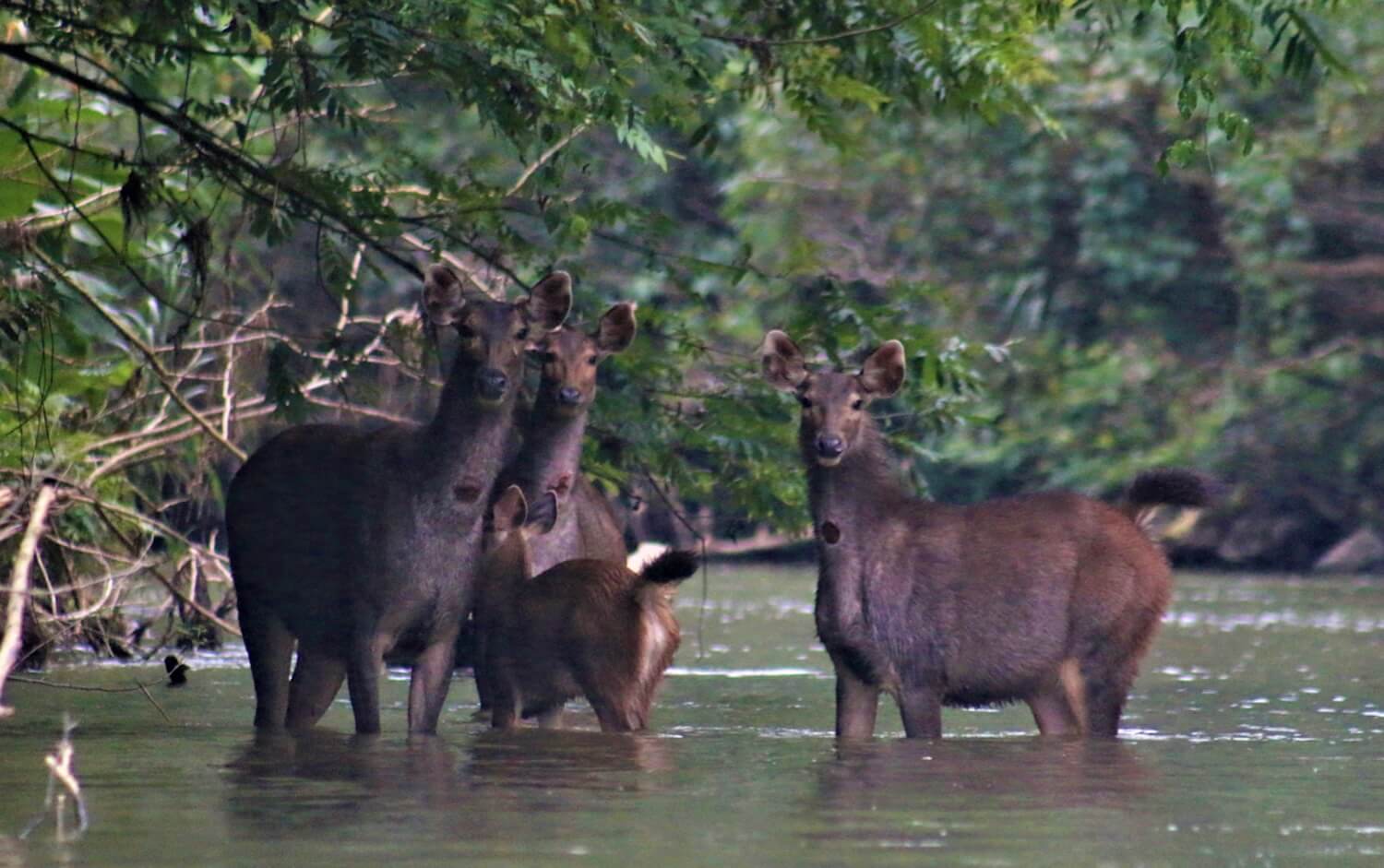
Nam Et-Phou Louey National Protected Area is the largest protected area in Laos, covering 4,107 square kilometres in Houaphanh Province. The area is home to a wide variety of flora and fauna, including mountainous forests, rivers and rare species such as the Asiatic black bear and the Indochinese tiger, as well as many unique bird species.
The Nam Et-Phou Louey National Protected Area is an ideal destination for nature lovers who wish to explore Laos’ pristine landscapes while contributing to the conservation and protection of rare animal species and their habitats.
Some popular tourist activities here include camping, trekking, kayaking, and visiting ethnic minority villages within the protected area.
>>> See more: Nam Song River
4.3. The Hintang Archaeological Park

Hintang Archaeological Landscape (Photo: Collected)
Hintang Archaeological Park is notable for its striking menhirs, which are up to 3 metres high and arranged in rows. The park covers an area of 23 hectares and is home to unique archaeological sites that attract many curious archaeologists and tourists.
Hintang Archaeological Park is located in Houaphanh Province. In addition, you can visit other tourist attractions such as Phou Khao Khoay National Park, Tham Phu Kham Cave, etc.
5. How to get there
Houaphanh offers Sam Neua International Airport, giving domestic flights to and from the nation’s capital of Vientiane and other cities of Laos. You can hire a taxi or motorbike at Sam Neua Airport to other places in the province. This is the fastest way to get to Houaphanh but also the most expensive option.
You can take up the train, bus, car, or motorbike in making your trip to Houaphanh a more exciting one.
6. The best time to visit to Houaphanh
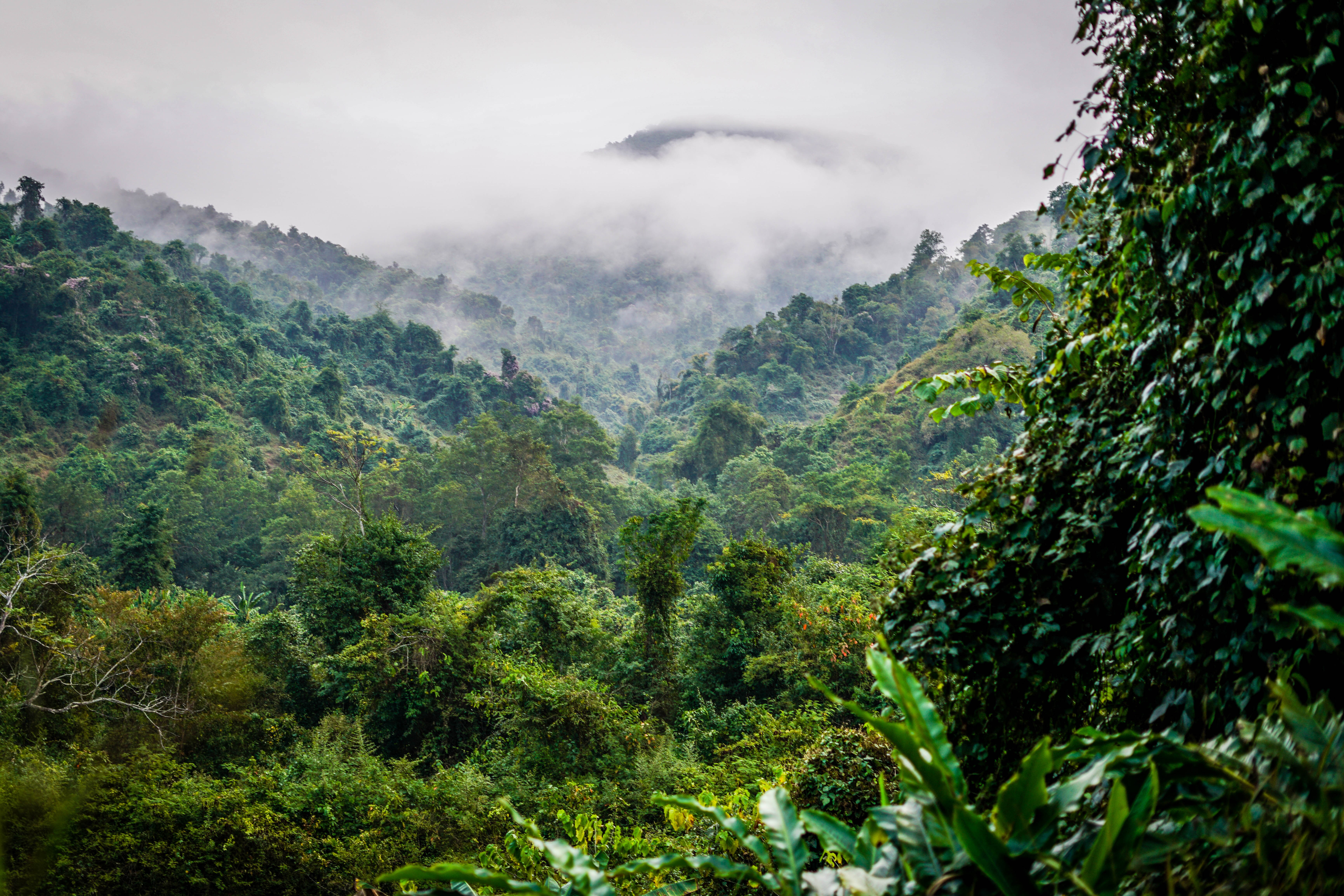
The best time to visit to Houaphanh (Photo: Collected)
Inheriting a tropical climate influenced by monsoons, Laos experiences two distinct seasons: the rainy season and the dry season, with rainfall ranging from 1,300 mm to 3,000 mm.
The dry season starts in November and lasts until April, while the rainy season goes from May to October. Each season has its own unique landscapes and changes in nature.
When traveling during the rainy season, it’s a good idea to bring an umbrella and a raincoat, and be careful of slippery roads. In the dry season, Laos can get very hot, so it’s important to use sunscreen and wear protective gear to keep your skin safe.
7. Explore cuisine and local villages in Houaphanh
This province is a land rich in folk art, including wood carving, weaving, and handicrafts. The development of folk art forms has been maintained and passed down from generation to generation.
For travelers who enjoy culinary experiences, Houaphanh is a destination to visit as it offers a variety of traditional Lao dishes that incorporate various vegetables and meats. Traditional dishes such as Lao Khao Niew (sticky rice) and Laab (minced meat) are popular in the region.
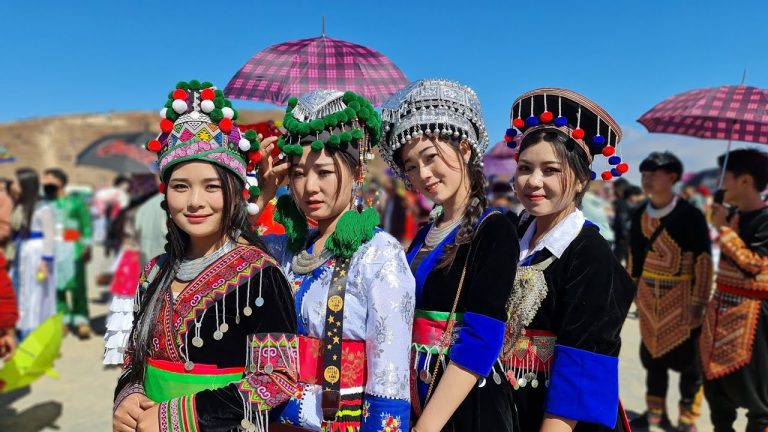
Visitors to Houaphanh can also explore the cultures of the Hmong, Khmu, Thai Deng, and Yao ethnic groups. Each ethnic group has its own distinct cultural characteristics, from traditional costumes to festivals and folk art.
8. Some festivals in Houaphanh
Following the traditions of Laos, the cradle of many major festivals, this province also hosts numerous traditional celebrations that maintain and promote the rich culture of the Land of a Million Elephants. Among the major festivals in Houaphanh is Boun Pi Mai (Lao New Year), which is a significant event for all Lao people.
Coming to Houaphanh, you will bring back unforgettable and colorful experiences of this historically and culturally rich land. This province is not only for nature lovers with its lush green mountains, mysterious caves, and diverse ethnic groups.
>>> See more articles:
Wat Phia Wat – A Historic Temple With A Unique Buddha Statue In Muang Khoun
Wat Ong Teu in Vientiane, Laos
Kuang Si Butterfly Park – An Attractive Check-in Spot in Luang Prabang, Laos