





Hanbok – The Traditional Costume and Cultural Symbol of Korea


When talking about Korean culture, one of the first images that comes to mind is the Hanbok, the elegant traditional clothing of Korea. With its vibrant colors, graceful lines, and distinctive silhouette, Hanbok is much more than a beautiful costume. It reflects Korea’s history, aesthetics, social traditions, and philosophy of life.
Today, wearing Hanbok while visiting historical sites such as Gyeongbokgung Palace has become one of the most memorable experiences for international travelers visiting Seoul.
What Is Hanbok?

The word Hanbok literally means “Korean clothing.” It refers to traditional Korean attire that has evolved over thousands of years.
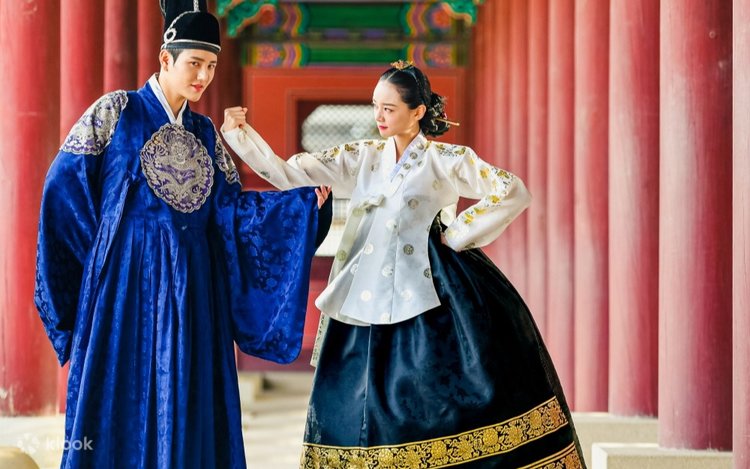
Traditional women’s Hanbok generally consists of a short jacket called jeogori and a long, flowing skirt known as chima. Men’s Hanbok typically includes a jeogori worn with loose trousers called baji.
The clothing is designed with comfortable, flowing shapes rather than tightly fitting the body. This creates the elegant movement that makes Hanbok instantly recognizable.
🏯 The History of Hanbok

The origins of Korean traditional clothing can be traced back many centuries, with distinctive forms developing throughout different periods of Korean history.
Hanbok as we recognize it today was particularly refined during the Joseon Dynasty (1392–1910). During this period, clothing reflected not only personal taste but also social status, age, occupation, and ceremonial occasions.
The colors, materials, accessories, and styles could vary according to the wearer’s position in society and the event being attended.
Over time, Hanbok continued to evolve while retaining its characteristic silhouette and cultural identity.
Women’s Hanbok – Elegant and Graceful

Women’s Hanbok is famous for its graceful and feminine appearance.
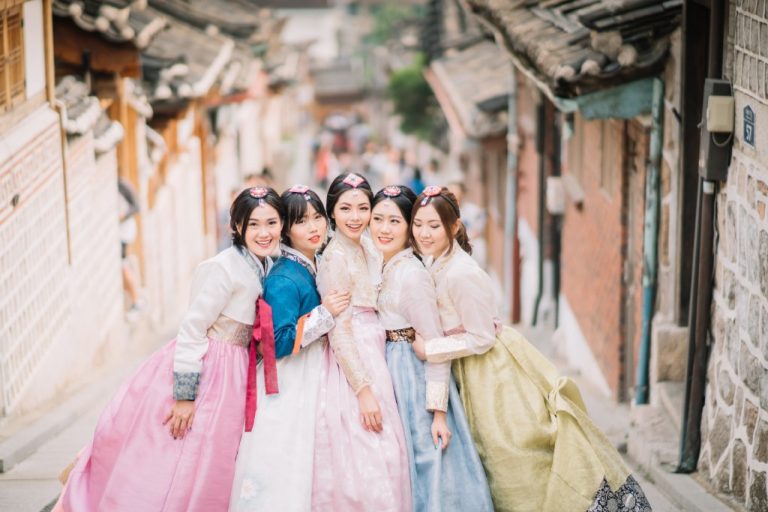
The jeogori is a fitted upper garment, while the long chima creates a beautiful flowing silhouette. When walking, the skirt moves naturally, giving the outfit an elegant and almost floating appearance.
Traditional women’s Hanbok can feature delicate embroidery, floral patterns, ribbons, and colorful fabrics. Modern designs may simplify these elements while preserving the classic shape.
For visitors to Korea, wearing a colorful Hanbok and walking through Seoul’s historic palaces is a wonderful way to experience traditional Korean culture.
Men’s Hanbok – Simple, Elegant and Comfortable

Men’s Hanbok generally consists of a jeogori and loose-fitting baji. Depending on the occasion, men could also wear additional garments such as a po, a long outer robe.
Compared with women’s Hanbok, men’s traditional clothing often has a simpler silhouette, but it can still feature beautiful colors, embroidery, decorative belts, and traditional hats.
Historical men’s Hanbok was commonly worn for formal ceremonies, official occasions, and important social events.
The Meaning Behind Hanbok Colors

One of the most eye-catching features of Hanbok is its vibrant use of color.
Traditional Korean culture often associated colors with different elements and symbolic meanings. The five traditional colors known as obangsaek—blue, red, yellow, white, and black—played an important role in Korean aesthetics and traditional culture.
Bright colors were often used in ceremonial clothing, while the choice of color could also reflect age, occasion, social status, or cultural symbolism.
This colorful aesthetic gives Hanbok its distinctive and joyful appearance.
Hanbok and Korean Traditional Beauty

Hanbok reflects an important Korean aesthetic idea: beauty through balance, simplicity, and natural movement.
Rather than emphasizing the shape of the body, traditional Hanbok creates flowing lines and generous space between the garments. The result is a silhouette that feels elegant without being overly complicated.
The combination of soft curves, flowing fabrics, colorful details, and carefully arranged accessories creates a distinctive visual identity that continues to influence modern Korean fashion.
🎀 Traditional Hanbok Accessories

Hanbok is often completed with traditional accessories that add both beauty and symbolism.
One of the most recognizable is the norigae, a decorative ornament traditionally attached to the ribbons of women’s Hanbok. It can feature colorful tassels, knots, jade, beads, or other decorative elements.
Women may also wear traditional hair accessories such as binyeo, decorative hairpins used to secure elaborate hairstyles.
For men, traditional hats such as the gat are closely associated with the clothing of the Joseon period.
These accessories add personality and elegance to the overall appearance.
Hanbok for Weddings and Special Occasions

Hanbok continues to play an important role in Korean celebrations.
Traditional clothing may be worn during weddings, birthdays, cultural ceremonies, holidays, and other important family events.
One particularly beautiful example is the traditional dol hanbok, worn by babies during their first-birthday celebration, known as doljanchi.
Even though everyday clothing in Korea is now predominantly modern, Hanbok remains closely connected to important moments and family traditions.
Wearing Hanbok at Gyeongbokgung Palace

One of the most popular cultural experiences for tourists in Seoul is renting a Hanbok and exploring Gyeongbokgung Palace.
Visitors can choose from a wide variety of traditional and modern Hanbok designs, hairstyles, and accessories before walking through the palace grounds.
The colorful Hanbok creates a beautiful contrast with the traditional architecture of the Joseon-era palace, making the experience especially popular among photography enthusiasts.
It is also a fun way to feel connected to Korea’s history rather than simply observing it from the outside.
Hanbok – A Perfect Travel Experience

For international visitors, wearing Hanbok provides countless opportunities for beautiful photographs.
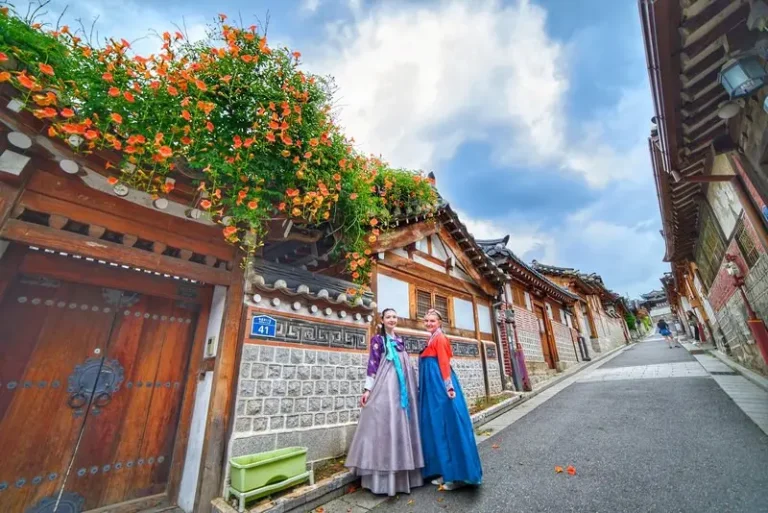
Popular locations include Gyeongbokgung Palace, Bukchon Hanok Village, Changdeokgung Palace, and the traditional streets around Jongno.
The combination of historic Korean architecture and colorful Hanbok creates a timeless atmosphere, making the photographs feel almost like scenes from a historical Korean drama.
Hanbok in Modern Korea

Hanbok has not disappeared in modern Korean society. Instead, it has continued to evolve.
Contemporary designers have created modern Hanbok, combining traditional silhouettes and details with modern fabrics, cuts, and colors.
Modern Hanbok can be seen in fashion shows, cultural festivals, museums, television dramas, and even everyday special occasions.
The global popularity of Korean culture—including K-dramas, K-pop, Korean beauty, and Korean fashion—has also helped introduce Hanbok to audiences around the world.
Why Should You Try Wearing Hanbok?
Hanbok offers travelers more than a beautiful photo opportunity. It is a way to step into Korean history and experience an important part of the country’s cultural identity.
Imagine walking through the ancient gates of Gyeongbokgung Palace wearing a traditional Korean outfit, surrounded by historic buildings and colorful autumn leaves or cherry blossoms. It is an experience that combines history, fashion, photography, and cultural discovery in one unforgettable moment.
Hanbok – Where Korean History Meets Timeless Beauty
From the royal courts of the Joseon Dynasty to the streets of modern Seoul, Hanbok continues to represent the elegance, creativity, and enduring cultural heritage of Korea. 🌸👘✨