





Why Do the Japanese Rarely Say “No”? – Lessons on the Nuanced Communication Culture of the Land of the Rising Sun

When visiting Japan for the first time, many travelers are surprised to find that Japanese people rarely give a blunt “No.” Instead, they use gentle phrases such as “Let me consider it further,” “That might be a bit difficult,” or “I’ll look into it and get back to you.”
If you are unfamiliar with Japanese culture, you might mistake these responses for signs of agreement or an indication that there is still a chance. However, in many cases, these are polite ways of declining—reflecting the nuance and distinct cultural style of Japanese communication.
Japanese people dislike putting others in awkward positions.
One of the most important values in Japanese culture is maintaining harmony in relationships.
Japanese people believe that a direct refusal can hurt the other person’s feelings, cause them to lose face, or place them in an uncomfortable situation. Therefore, rather than saying “No,” they choose softer expressions to ensure both parties feel at ease.
Consequently, when you hear phrases like:
“That might be a bit difficult…”
“Let me think about it.”
“We’ll consider it later.”
…you should understand that the actual answer is likely “no,” but it is being conveyed respectfully.
“Wa” (和) – The philosophy of harmony in Japanese culture.
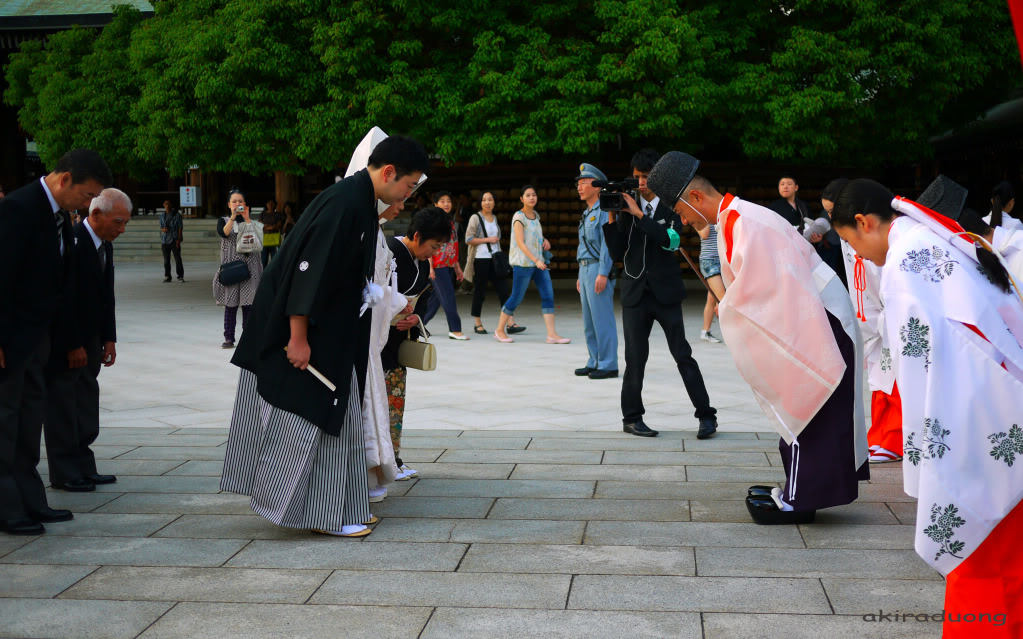
To understand Japanese communication, one must first grasp the concept of *Wa* (和).
“*Wa*” signifies harmony—a value that has existed for centuries and influences every aspect of Japanese life, from family and schools to the corporate world.
In many situations, maintaining a harmonious atmosphere takes precedence over expressing personal opinions too bluntly. Thus, Japanese people carefully consider their words, attitudes, and behavior to avoid placing pressure on others or causing discomfort. This explains why communication in Japan is typically gentle, polite, and highly nuanced.
“Tatemae” and “Honne” – Understanding the Japanese beyond mere words
Another distinctive feature of Japanese communication culture is the coexistence of two concepts:
*Tatemae* (建前) refers to the outward behavior displayed to maintain politeness and preserve harmony in relationships.
Meanwhile, *Honne* (本音) represents a person’s true feelings and thoughts.
Consequently, when communicating with Japanese people, listening to the words alone is often insufficient. It is crucial to observe the context, manner of expression, tone of voice, and attitude to grasp the message they truly intend to convey.
This is one of the aspects that makes Japanese culture fascinating yet challenging for international visitors.
It is not just the scenery that makes visitors fall in love with Japan
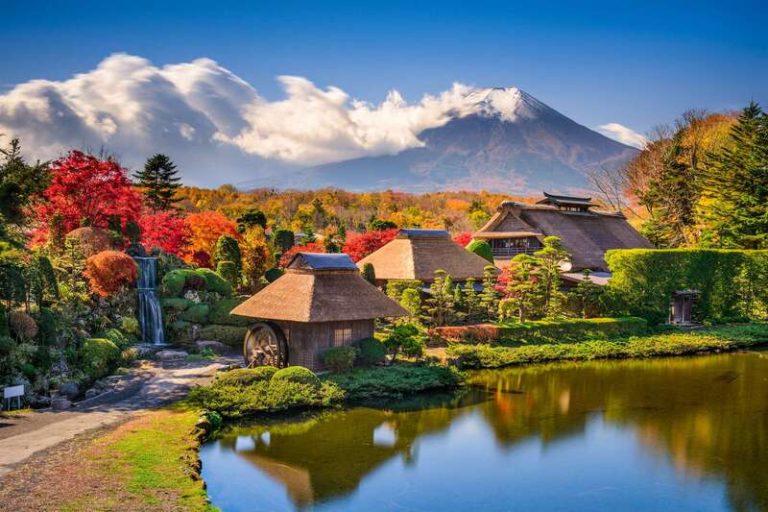
Japan is renowned for its cherry blossoms, autumn foliage, Mount Fuji, ancient temples, and exquisite cuisine.
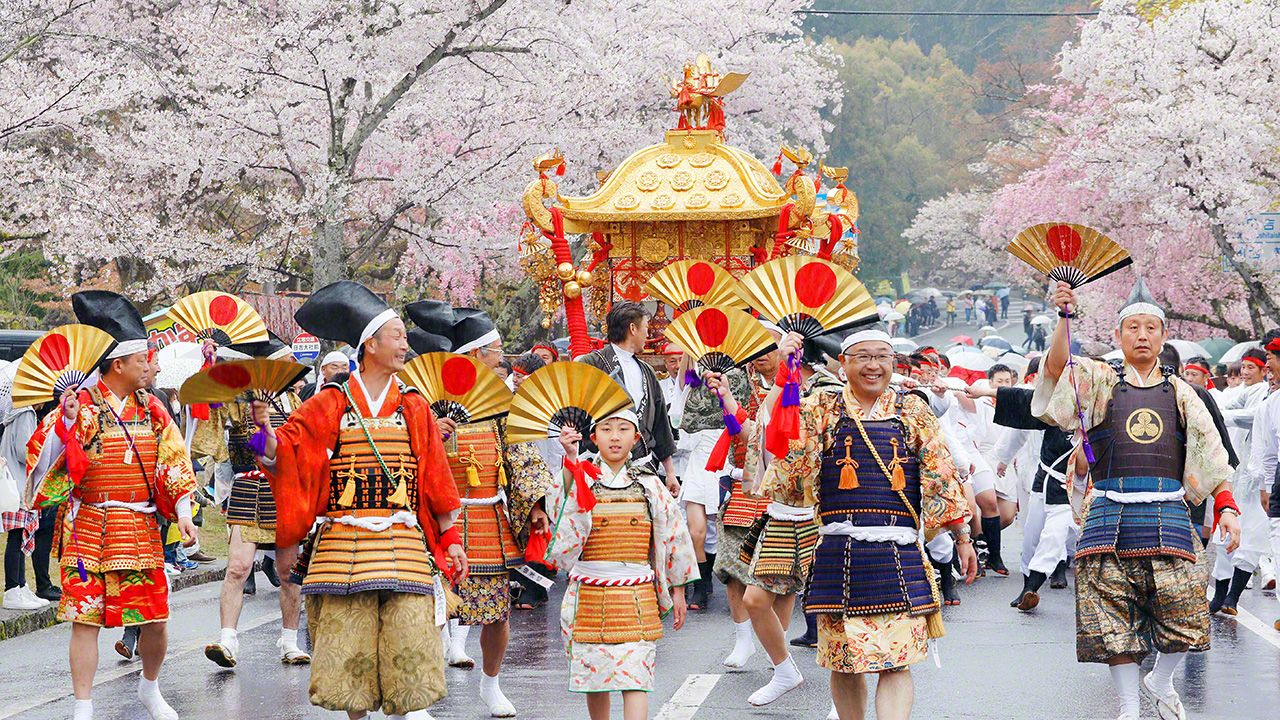
Yet, after a trip, what visitors often mention most is the Japanese people themselves.
Whether in convenience stores, restaurants, hotels, or train stations, one easily encounters friendly smiles, respectful bows, and a style of service that is attentive to the finest details.
Every greeting and gesture reflects a mindset of prioritizing others before oneself. It is these seemingly simple acts that create beautiful memories, inspiring many to return to Japan time and again.
Traveling to Japan to better understand its culture and people
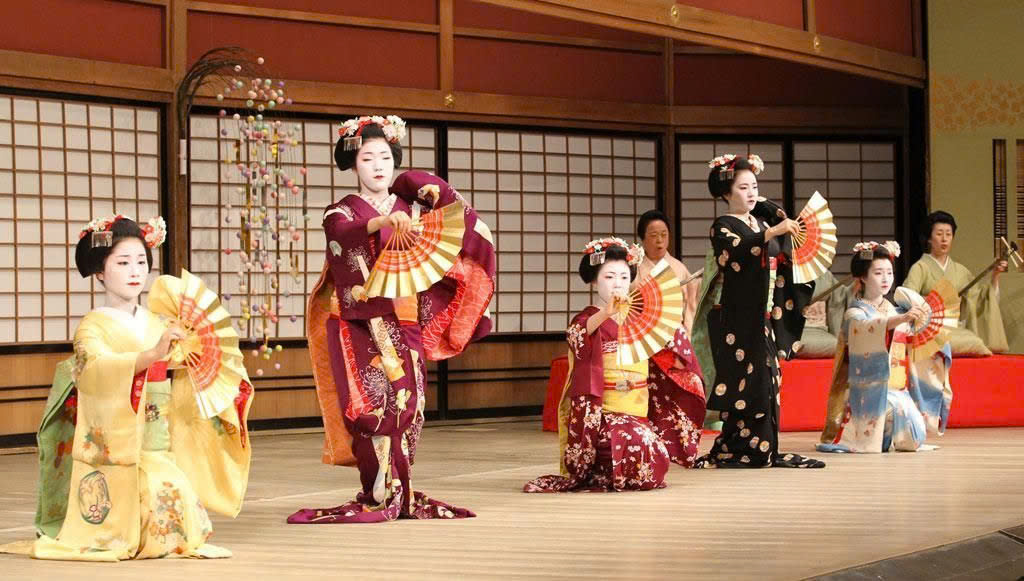
A trip to Japan becomes far more meaningful when you go beyond merely exploring scenic landmarks to understand the cultural values that shape the nation’s identity. Understanding why the Japanese rarely say “No,” and why they bow, queue, and behave so courteously, will allow you to enjoy a deeper experience and seamlessly blend into the local way of life.
This is precisely why Japan remains one of the world’s most beloved destinations—cherished not only for its stunning scenery but also for cultural values preserved across generations.
Join Focus Asia Travel to experience Japan to the fullest
Every journey to Japan with Focus Asia Travel offers more than just sightseeing at famous landmarks; it is an opportunity to explore the cultural depth, the people, and the fascinating stories of the Land of the Rising Sun.
Our dedicated team is ready to assist you every step of the way—from selecting the perfect itinerary and handling procedures to sharing practical insights that make your trip truly meaningful and memorable.
Whether you are planning a trip during cherry blossom season, the autumn foliage season, or a journey to explore traditional culture, contact Focus Asia Travel for detailed advice and the best tour options.
Hotline: (+84) 79 3113879
Email: sales@focusasiatravel.vn
Website: www.focusasiatravel.vn / www.focusasiatravel.com / www.hochieuvisa.vn/