





The ultimate Sapa travel guide : trekking, fansipan & ethnic villages

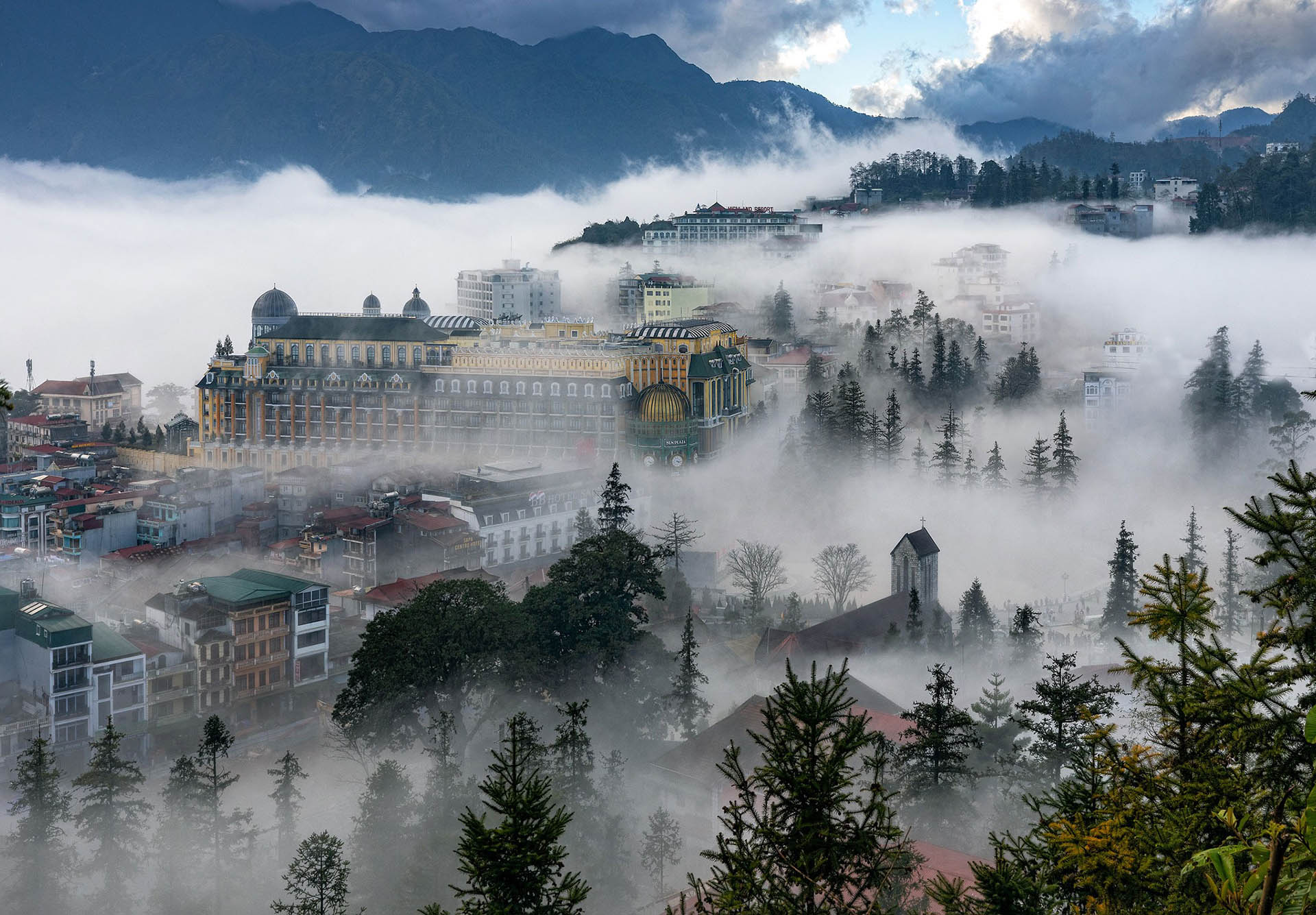
Nestled in the misty mountains of northwestern Vietnam, Sapa is one of the country’s most breathtaking destinations. Famous for its spectacular terraced rice fields, cool mountain climate, and vibrant ethnic minority cultures, Sapa offers an unforgettable escape from Vietnam’s bustling cities.
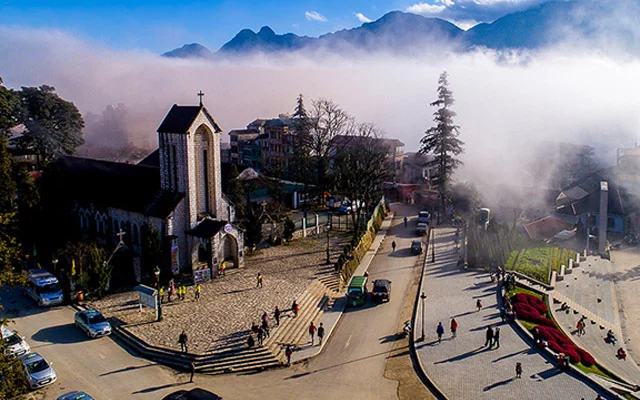
Located approximately 320 kilometers northwest of Hanoi in Lao Cai Province, Sapa sits at an altitude of around 1,500 meters above sea level. Its stunning landscapes, peaceful valleys, and authentic local traditions have made it one of the highlights of many Vietnam Classic Tours.
Whether you’re seeking adventurous trekking routes, panoramic mountain views, or meaningful cultural experiences, Sapa is a destination that should not be missed.
Why Visit Sapa?
Unlike Vietnam’s coastal cities and tropical islands, Sapa offers a completely different side of the country. Here, visitors are surrounded by towering mountains, lush valleys, cascading waterfalls, and endless rice terraces that change colors throughout the year.
The region is also home to several ethnic minority groups, including the Hmong, Dao, Tay, Giay, and Xa Pho communities. Their colorful traditional clothing, unique customs, and warm hospitality create an authentic cultural experience that attracts travelers from around the world.
Sapa is the perfect destination for:
- • Nature lovers
- • Photography enthusiasts
- • Adventure seekers
- • Cultural explorers
- • Couples and families
- • Travelers looking for cooler weather
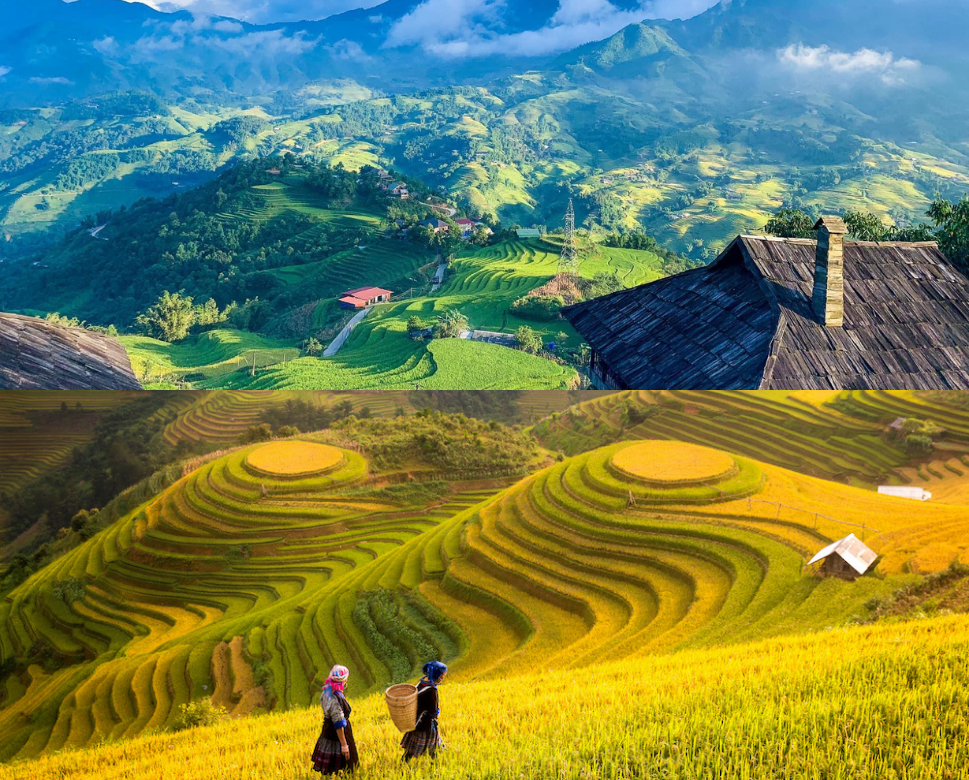
Top Things to Do in Sapa
1. Trek Through the Famous Rice Terraces
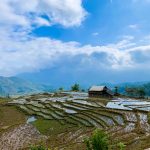
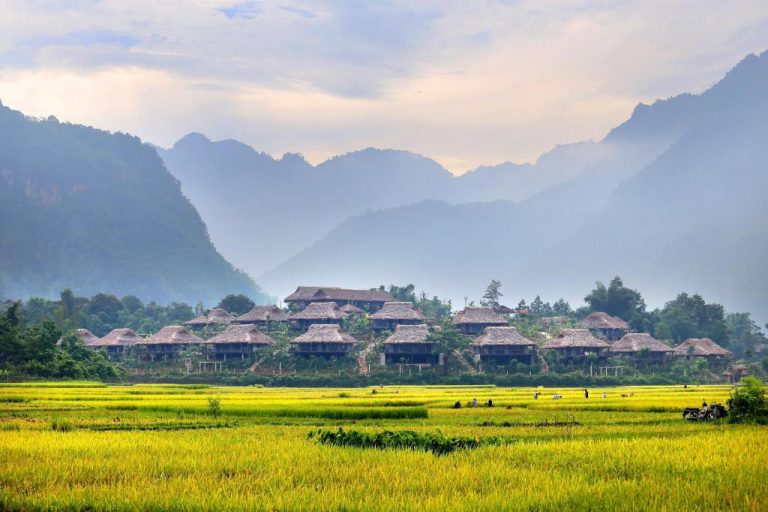
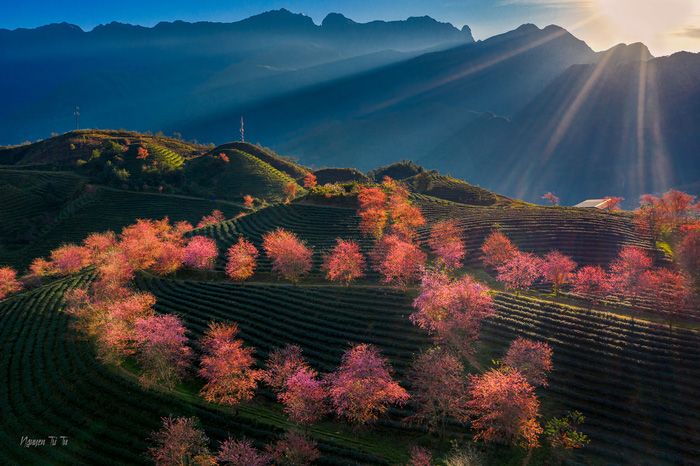
Sapa’s terraced rice fields are considered among the most beautiful in the world. Carved into the mountains over hundreds of years by local ethnic communities, these terraces create a breathtaking landscape that changes with the seasons.
Popular trekking routes include:
- • Lao Chai Village
- • Ta Van Village
- • Y Linh Ho Village
- • Su Pan Village
Walking through these valleys allows visitors to admire spectacular scenery while learning about the daily lives of local families.
The best months for photography are May to June, when the fields are filled with water, and September, when the rice turns brilliant golden before harvest.
2. Conquer Fansipan – The Roof of Indochina
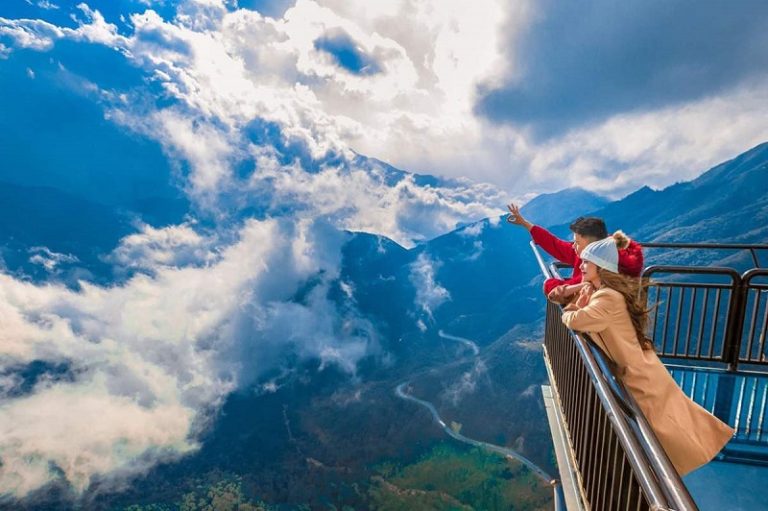
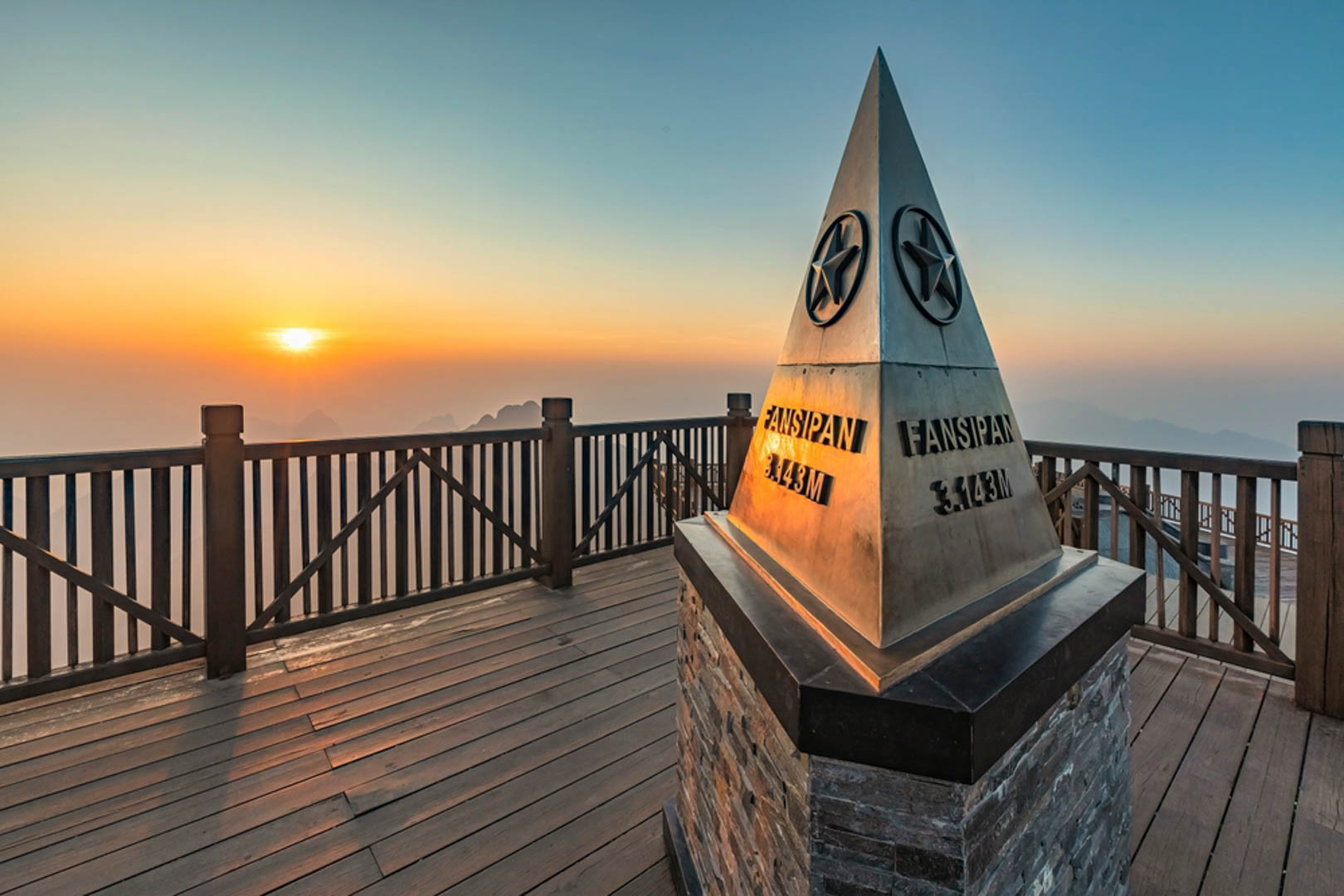
Standing at 3,143 meters, Fansipan Mountain is the highest peak in Vietnam and throughout the Indochinese Peninsula.
Visitors can reach the summit in two ways:
- • Ride the modern Fansipan cable car for breathtaking aerial views.
- • Join a guided trekking expedition for a more adventurous experience.
At the summit, you’ll be rewarded with panoramic views of the Hoang Lien Son Mountain Range, ancient Buddhist temples, and the famous “Roof of Indochina” landmark.
On clear days, the scenery is simply unforgettable.
3. Explore Cat Cat Village
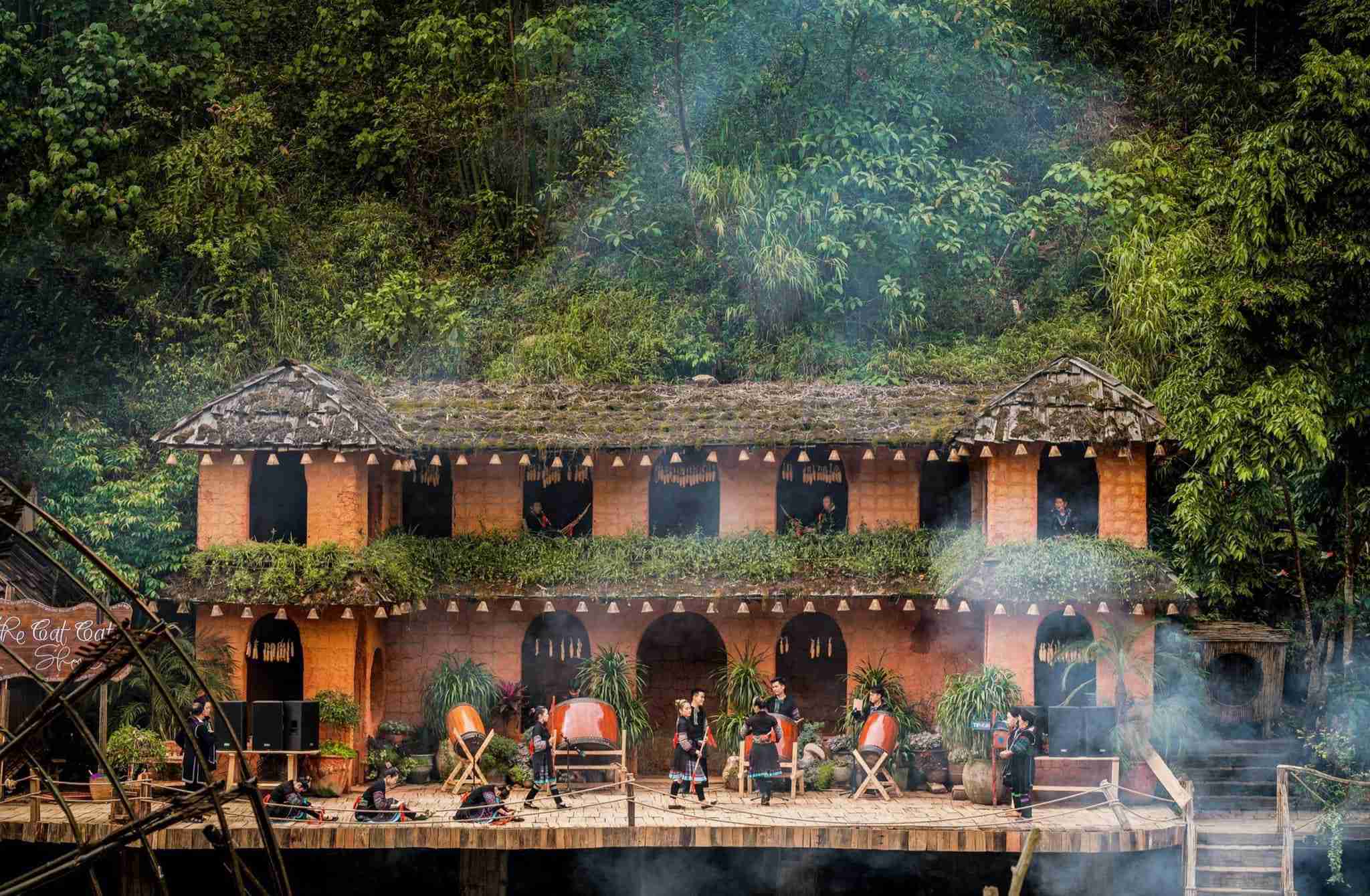
Located just a short walk from Sapa Town, Cat Cat Village is one of the region’s most popular attractions.
This traditional Hmong village offers visitors an opportunity to discover local handicrafts, wooden houses, water-powered rice mills, and cultural performances.
Visitors can:
- • Watch traditional weaving demonstrations
- • Purchase handmade textiles and souvenirs
- • Learn about Hmong customs
- • Enjoy scenic waterfalls
- • Taste local mountain cuisine
4. Visit Muong Hoa Valley
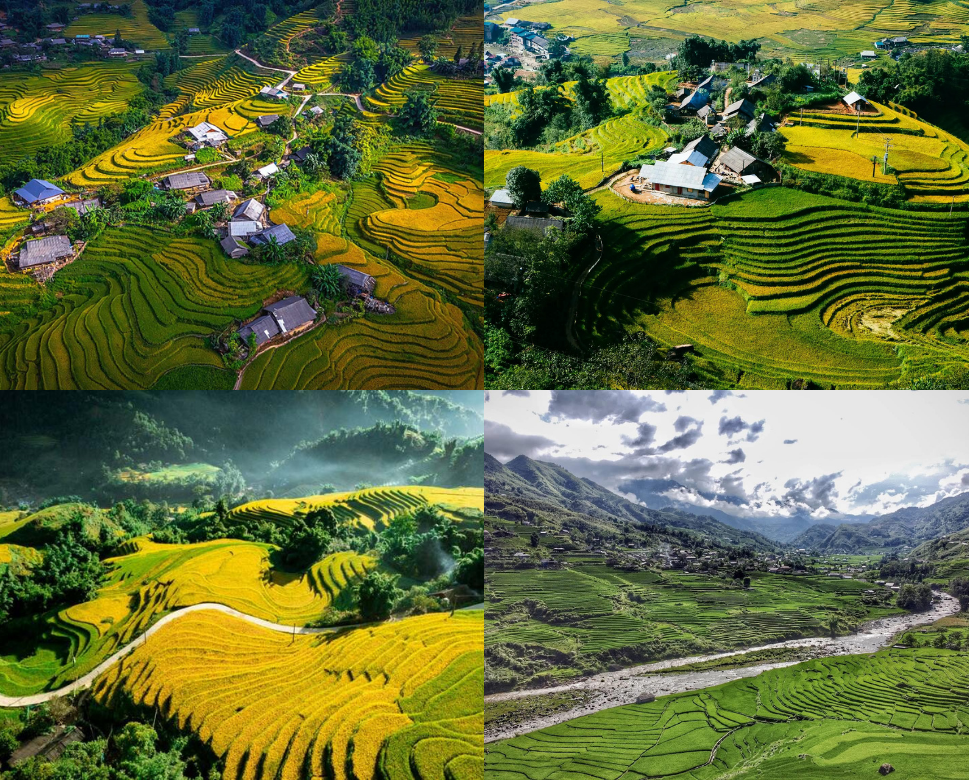
Muong Hoa Valley is often regarded as the most beautiful valley in northern Vietnam.
Stretching for several kilometers beneath towering mountains, it is famous for its endless rice terraces, peaceful streams, and ancient stone carvings that remain a mystery to archaeologists.
The valley is especially stunning during sunrise and sunset, when soft light transforms the landscape into a photographer’s paradise.
5. Discover Ethnic Minority Culture
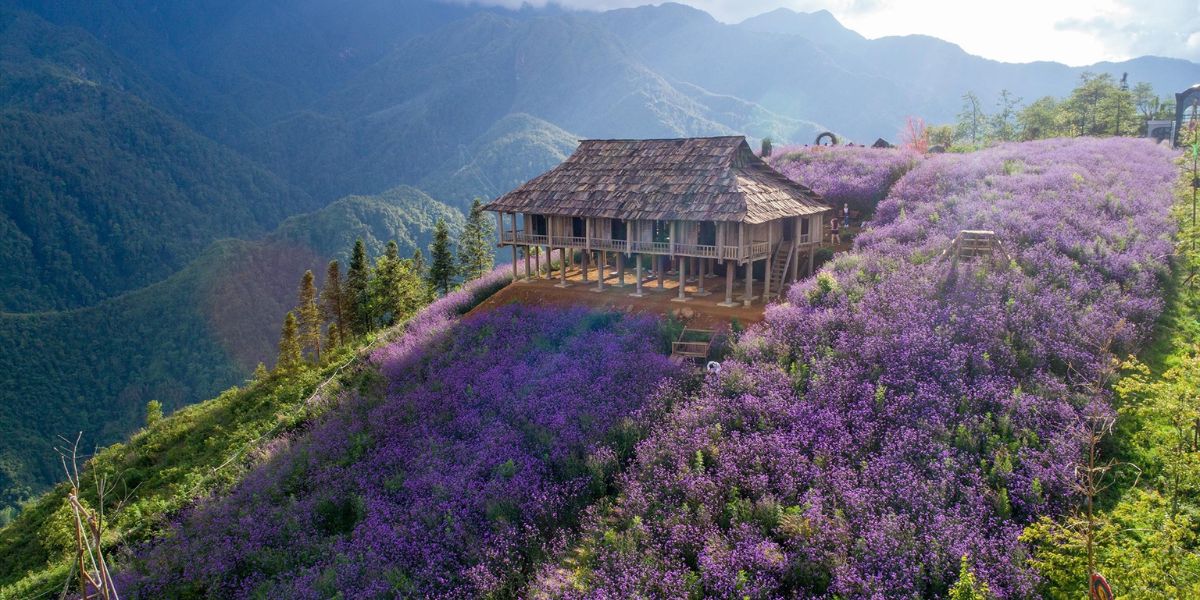
One of Sapa’s greatest attractions is its cultural diversity.
The region is home to several ethnic minority communities that have preserved their traditional lifestyles for generations.
Visitors can experience:
- • Traditional stilt houses
- • Local markets
- • Handmade embroidery
- • Indigo dyeing techniques
- • Authentic mountain cuisine
- • Traditional music and dance
Joining a homestay is one of the best ways to experience genuine local hospitality while supporting community-based tourism.

6. Experience Sapa’s Local Cuisine
The cool mountain climate makes Sapa an excellent destination for unique regional specialties.
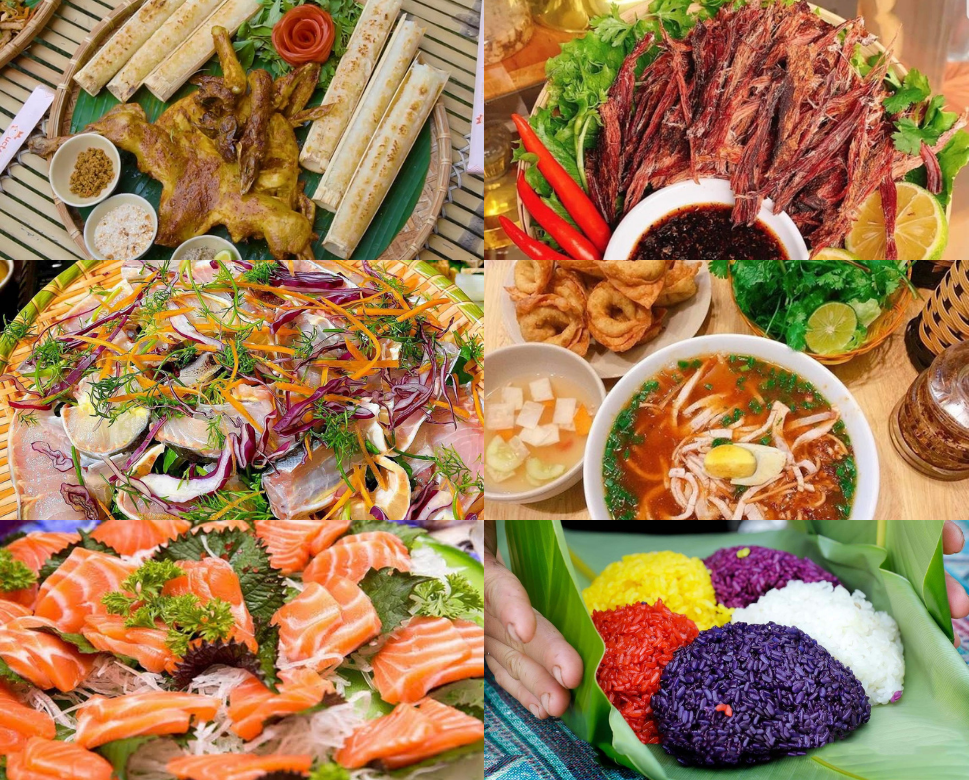
Some must-try dishes include:
- • Salmon Hot Pot
- • Sturgeon Hot Pot
- • Grilled Mountain Pork
- • Bamboo Sticky Rice
- • Five-Color Sticky Rice
- • Black Chicken Soup
- • Grilled Corn and Sweet Potatoes
Local night markets are perfect for sampling freshly grilled street food while enjoying the lively atmosphere.
7. Visit Love Waterfall and Silver Waterfall
Nature lovers should not miss two of Sapa’s most beautiful waterfalls.
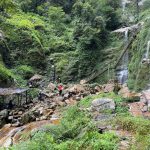
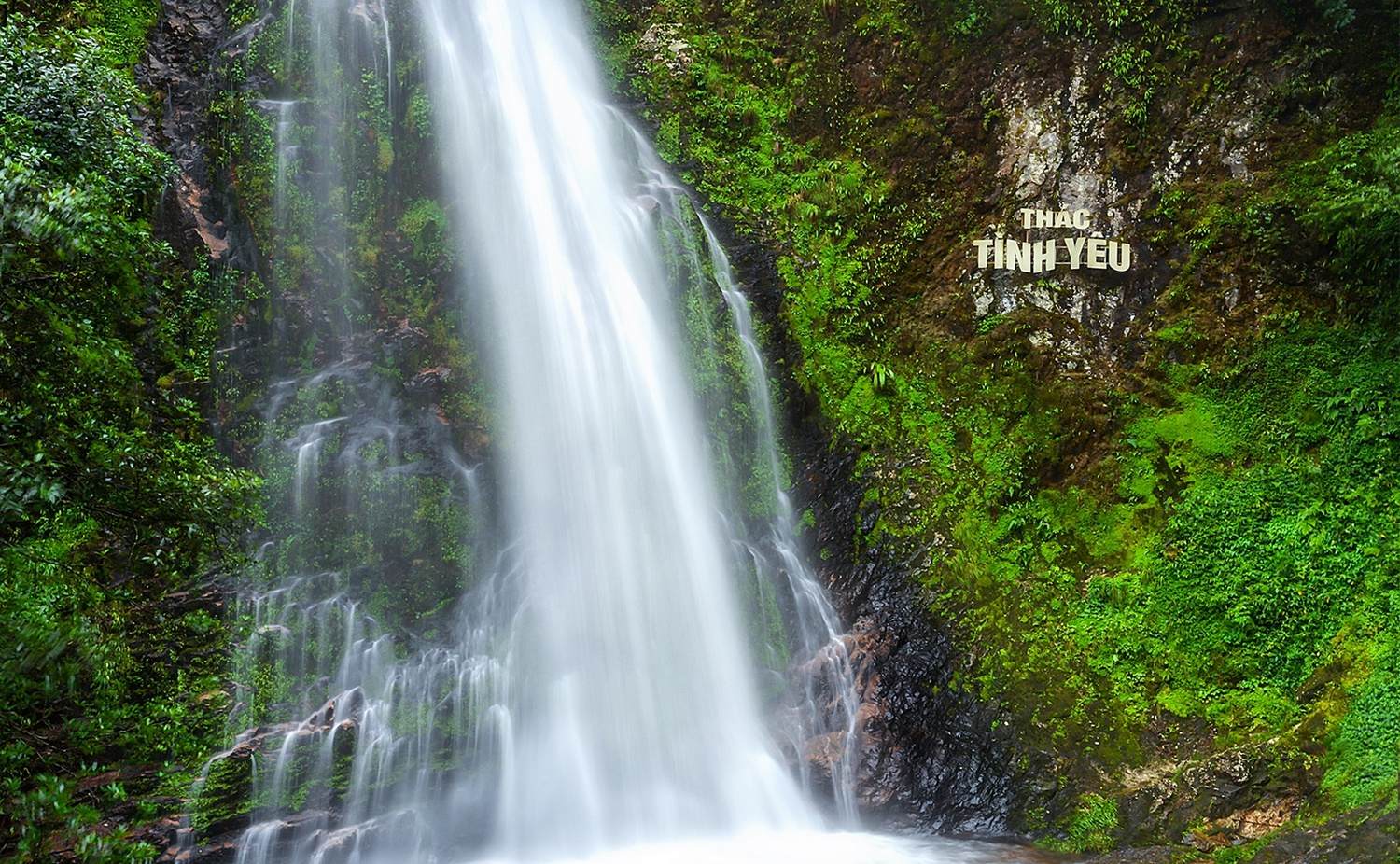
- • Love Waterfall : Hidden within Hoang Lien National Park, Love Waterfall is surrounded by lush forests and scenic walking trails. Legend says it was named after a romantic fairy tale involving a mountain fairy and a flute player.
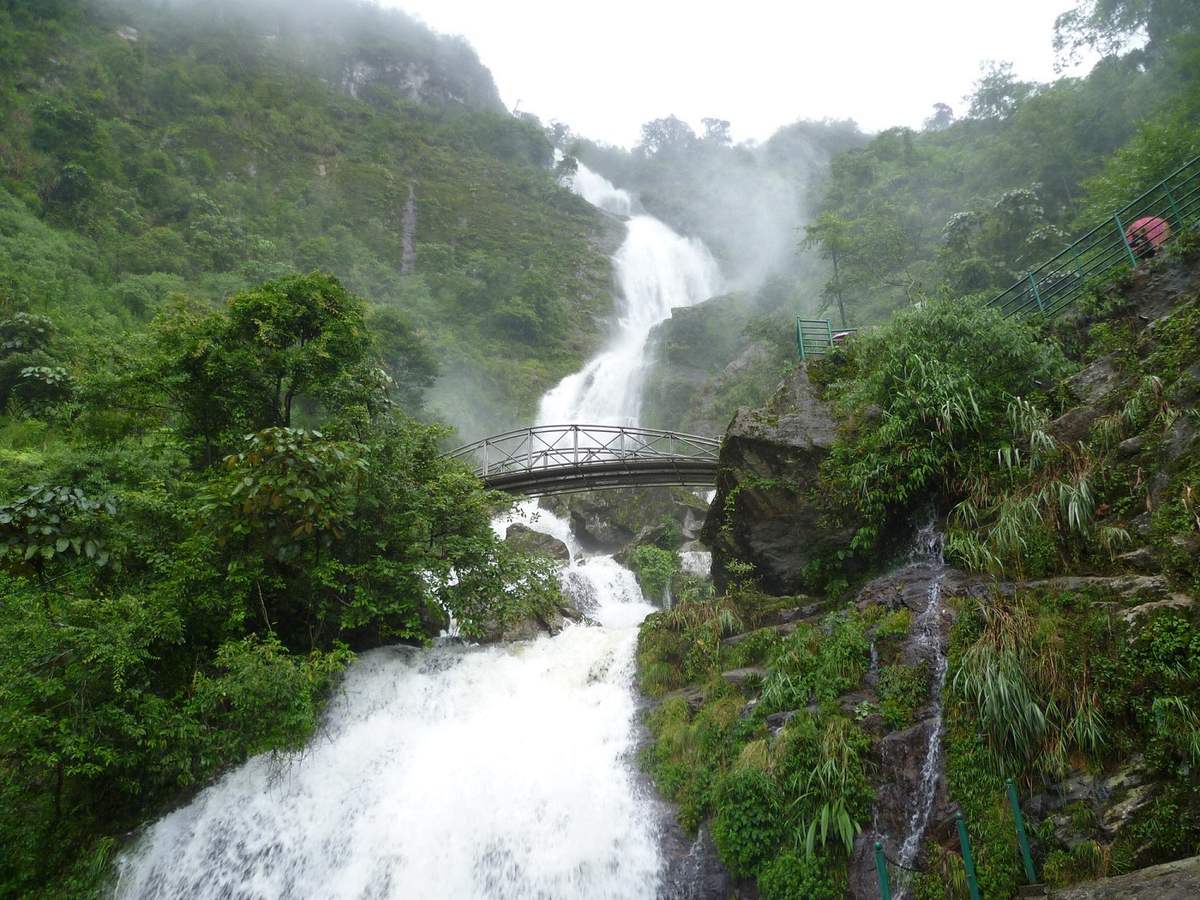
- • Silver Waterfall (Thac Bac) : Located about 12 kilometers from Sapa Town, Silver Waterfall cascades nearly 200 meters down the mountainside, creating a spectacular natural landmark.
Best Time to Visit Sapa
Sapa is beautiful throughout the year, with each season offering a unique experience.
Spring (March – May)
Spring brings blooming flowers, fresh mountain air, and comfortable temperatures, making it an ideal time for hiking and sightseeing.
Summer (June – August)
The rice terraces become lush green, and the mountain scenery is at its most vibrant. Although occasional rain showers occur, the landscapes are incredibly picturesque.
Autumn (September – October)
Autumn is considered the best season to visit Sapa. The rice fields transform into golden terraces ready for harvest, attracting photographers from around the world.
Winter (November – February)
Temperatures drop significantly, and Sapa occasionally experiences frost or even light snowfall. The cool weather creates a magical atmosphere rarely found elsewhere in Vietnam.
How to Get to Sapa
Traveling to Sapa is convenient from Hanoi.
Popular transportation options include :
- • Overnight sleeper train to Lao Cai, followed by a short transfer to Sapa.
- • Luxury sleeper bus.
- • Private limousine van.
- • Private car for greater flexibility.
Most visitors choose to spend at least two or three days exploring the region.

Frequently Asked Questions
Is Sapa worth visiting?
Absolutely. Sapa is one of Vietnam’s most iconic mountain destinations, renowned for its breathtaking scenery, vibrant ethnic cultures, and outdoor adventures.
How many days should I spend in Sapa?
A stay of 2–3 days is ideal for exploring the main attractions, enjoying a trekking experience, and visiting Fansipan Mountain.
Can beginners join trekking tours?
Yes. Sapa offers trekking routes for all fitness levels, from gentle village walks to more challenging mountain hikes, making it suitable for both beginners and experienced trekkers.
When are the rice terraces most beautiful?
The rice terraces are at their greenest from June to August, while September is famous for its spectacular golden harvest season, considered the most photogenic time of year.
Adding Sapa to your Vietnam Classic Tour offers a refreshing contrast to Vietnam’s bustling cities and coastal attractions. Here, you’ll experience dramatic mountain landscapes, rich cultural traditions, and some of the most scenic trekking routes in Southeast Asia.
Whether you’re standing atop Fansipan, wandering through golden rice terraces, or sharing a meal with a local family, Sapa provides authentic experiences that leave lasting memories. It is a destination where natural beauty and cultural heritage come together, making it one of the most rewarding places to visit in Vietnam.You can view the itinerary here.
Focus Asia Travel – Your Trusted Travel Partner in SaPa
Planning a trip to SaPa ? Focus Asia Travel is here to help you create a smooth, enjoyable, and hassle-free travel experience. Whether you’re looking for customized tours, transportation, accommodation, or local travel advice, our experienced team is ready to assist you every step of the way.
Contact Focus Asia Travel for a free consultation
📞 Hotline: +84 78 2323 879 | +84 93 6179 995 | +84 93 645 9995 | +84 79 3113 879
📧 Email: sales@focusasiatravel.com | sales@focusasiatravel.vn
Our dedicated travel consultants are always available to help you choose the best travel solutions, ensuring your journey is convenient, memorable, and cost-effective.