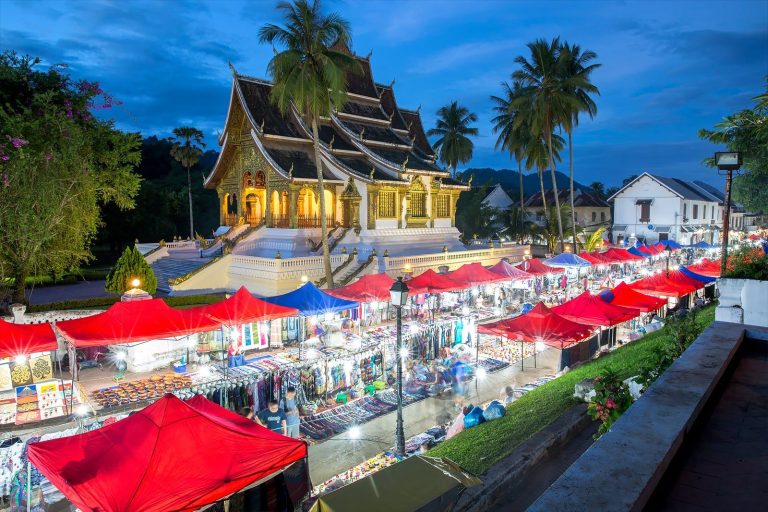






Wat Si Muang: Vientiane’s Most Sacred Temple in Laos

Wat Si Muang is one of the most sacred and distinctive temples in Vientiane, Laos. Renowned for its beautiful architecture and the touching legend of Mother Si, the temple is a fascinating destination where history, spirituality, and local traditions come together.
1. Introduction to Wat Si Muang
1.1 An Overview of Wat Si Muang
Wat Si Muang, also known as Si Muang Temple, is a treasured spiritual landmark in the heart of Vientiane, Laos. More than just a Buddhist monastery, the temple preserves centuries of history and reflects the unique blend of Theravada Buddhism and ancient Lao animist beliefs.
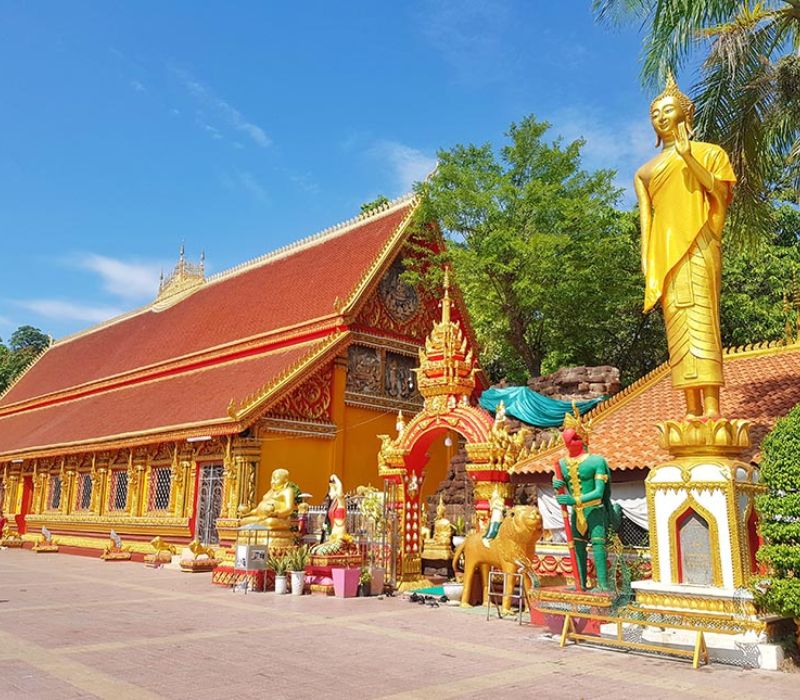
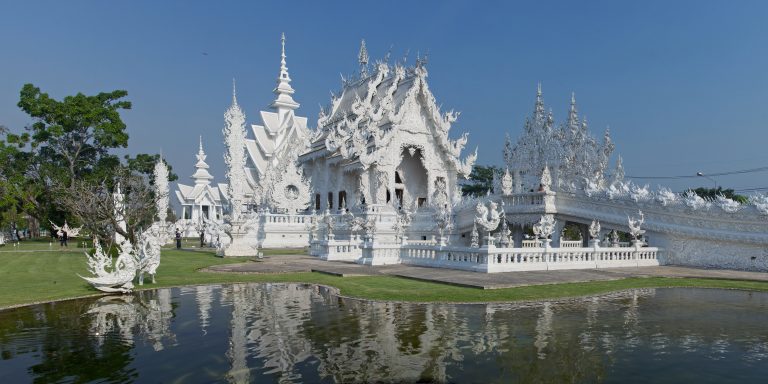
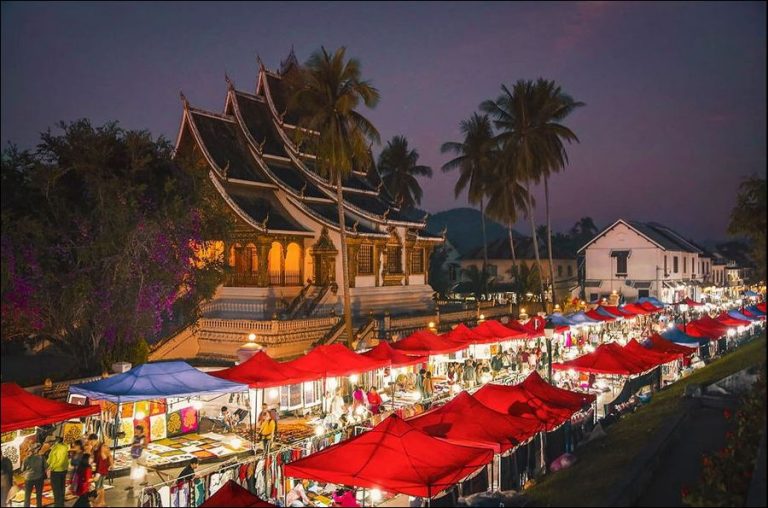
Wat Si Muang, an ancient spiritual gem in the heart of Vientiane. (Photo: Collected)
Located at the intersection of Sethathirath Road and Samsenthai Road in Simuang Village, Sisattanak District, Vientiane, the temple is filled with an atmosphere of reverence and devotion throughout the day. Colorful Buddhist murals decorate the interior, while local worshippers and visitors regularly bring offerings such as flowers, candles, coconuts, and bananas to pray for peace, prosperity, and good fortune.
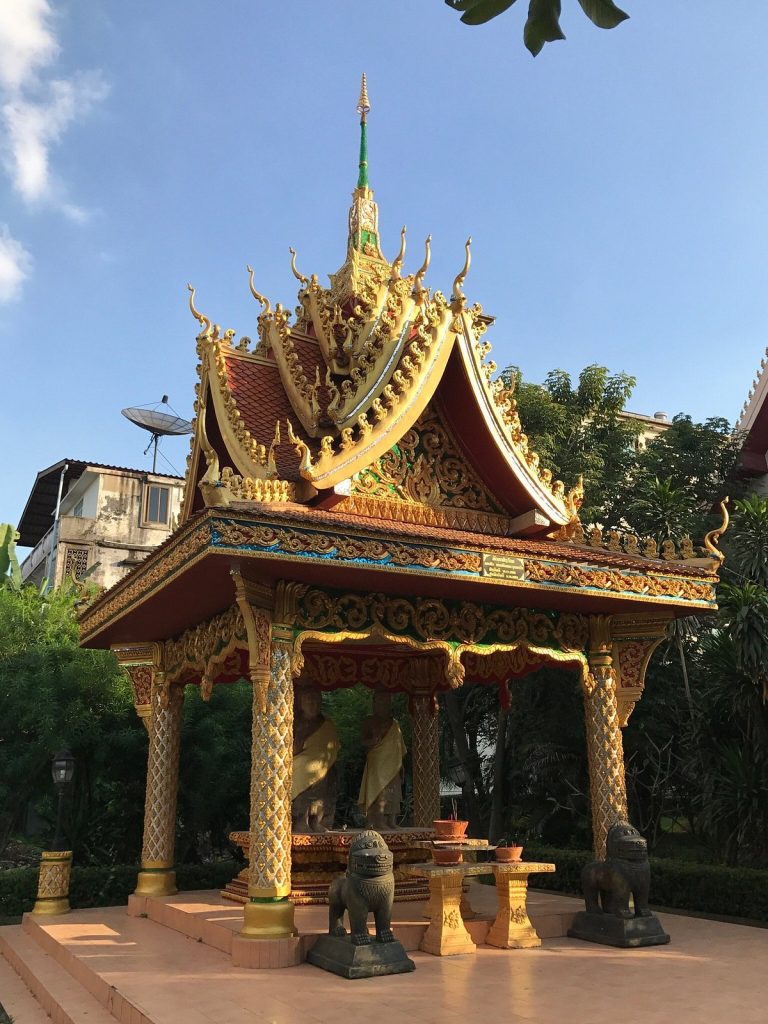
Built on the foundations of an ancient Khmer sanctuary, Wat Si Muang combines elegant architecture with an air of mystery, making it one of the must-visit attractions in Vientiane. Its finely carved details and vividly painted columns and walls showcase exceptional craftsmanship, leaving visitors captivated by both its spiritual significance and artistic beauty.
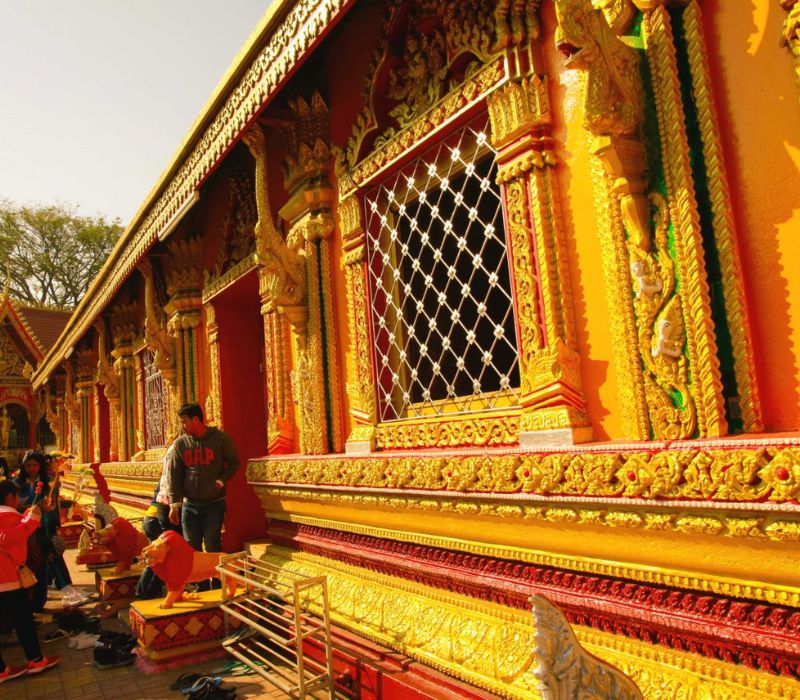
The exquisite and mystical architecture of Wat Si Muang. (Photo: Collected)
In the Lao language, “Muang” means “mother,” while “Si” refers to the legendary woman who sacrificed herself during the temple’s construction. For this reason, Wat Si Muang is affectionately known as the “Temple of Mother Si,” a name that remains deeply cherished by the Lao people.
1.2 The Sacred Legend Behind Wat Si Muang
Beyond its architectural beauty and religious importance, Wat Si Muang is famous for an emotional legend of courage and self-sacrifice.
According to local tradition, when Vientiane was first established, the king ordered a sacred city pillar to be erected at the present-day temple site as a symbol of prosperity and the kingdom’s enduring strength.
However, during the excavation, underground water continuously flooded the foundation, making construction impossible. To calm the spirits believed to inhabit the land, a young woman named Si, who was three months pregnant and lived in Xai Village, willingly sacrificed herself by jumping into the foundation pit.
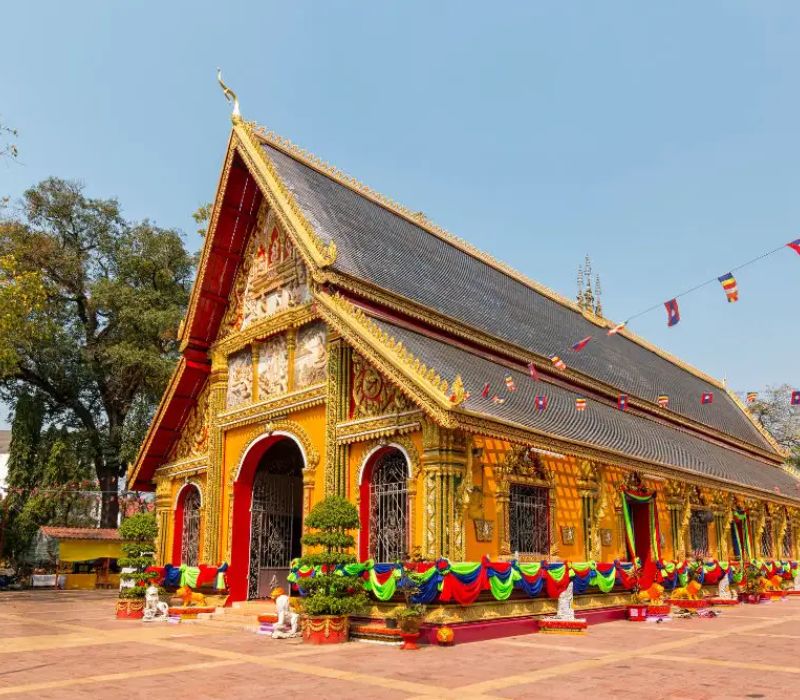
Wat Si Muang is home to legendary stories of profound sacrifice and spiritual significance. (Photo: Collected)
One hundred days later, the miraculous happened. The water disappeared, and the sacred city pillar emerged firmly from the ground. In memory of her extraordinary sacrifice, the temple was named Wat Si Muang, meaning “Temple of Mother Si.” To this day, her story remains one of the most beloved legends in Laos and symbolizes devotion, courage, and protection for the people of Vientiane.
1.3 The Unique Architecture of Wat Si Muang
Covering more than two hectares, Wat Si Muang beautifully combines traditional Buddhist architecture with the remaining elements of an ancient Khmer sanctuary.
1.3.1 The Main Entrance
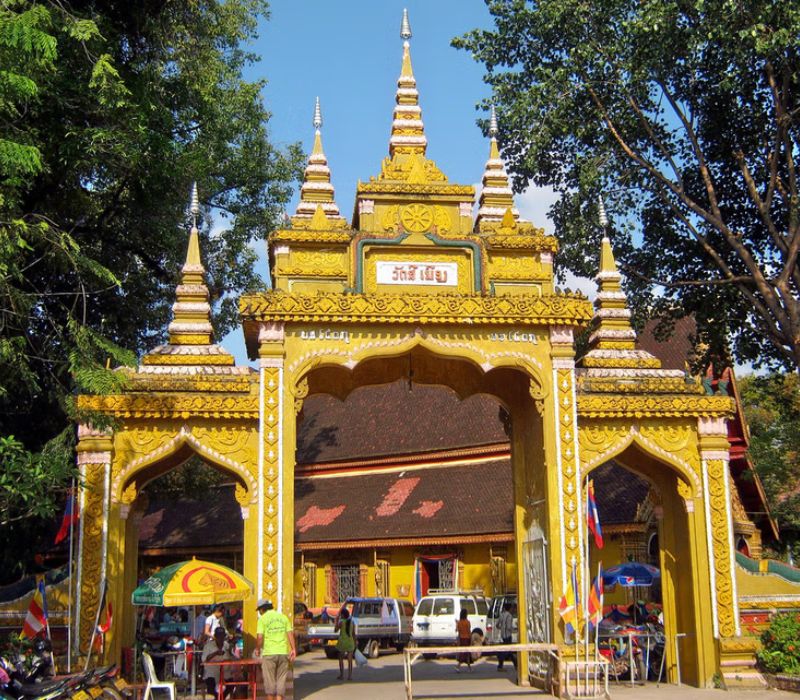
The main entrance gate leading into Wat Si Muang. (Photo: Collected)
Visitors are welcomed through an elaborately decorated entrance gate featuring intricate carvings depicting the legend of Mother Si alongside scenes from the life of the Buddha. Rich shades of red and gold, together with detailed reliefs, create a striking first impression and highlight the temple’s symbolic significance.
1.3.2 The Main Ordination Hall
One of Wat Si Muang’s most distinctive architectural features is its ordination hall, which is divided into two separate chambers instead of the single sanctuary found in most traditional Lao temples.
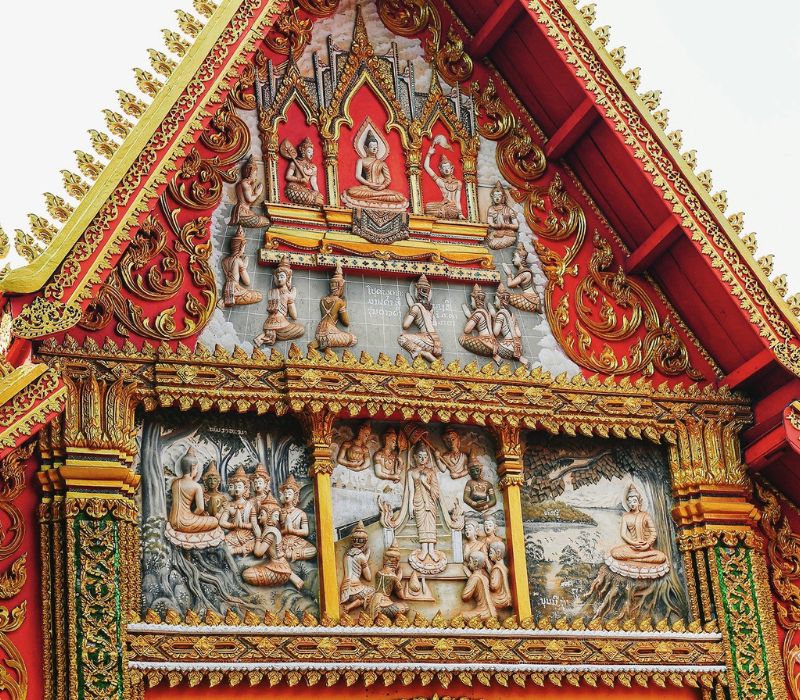
Buddhist murals displayed at the entrance to the main ordination hall. (Photo: Collected)
The first chamber houses a sacred stone believed to bring good fortune to anyone who can successfully lift it three times. Worn smooth by generations of worshippers, the stone continues to attract visitors seeking blessings and luck.
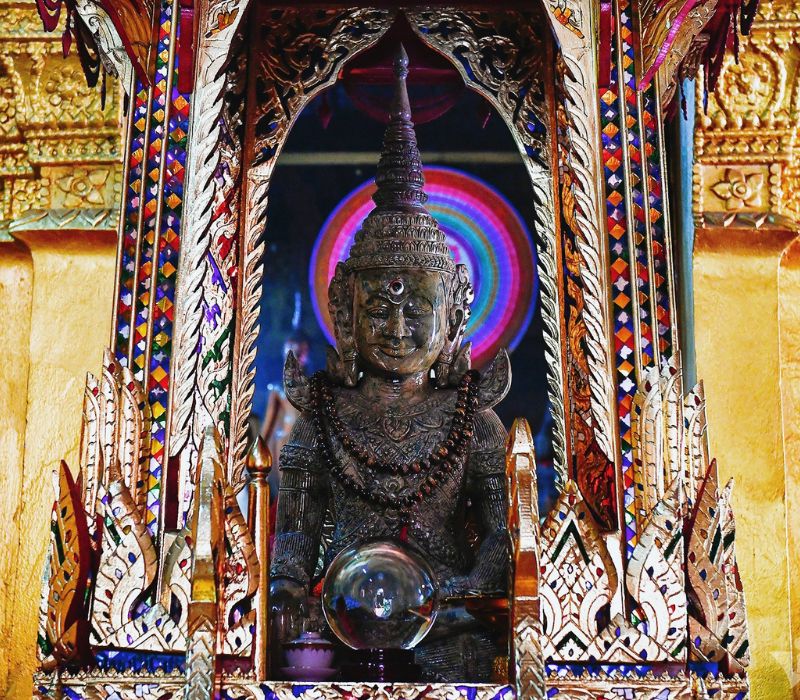
Sacred Buddha statues enshrined inside the main ordination hall. (Photo: Collected)
The second chamber contains the city’s sacred pillar, known as the Lak Meuang. Only the gilded top of this stone pillar is visible above the ground. According to legend, this is the exact location where Mother Si sacrificed herself to protect the city. Today, the pillar represents not only religious devotion but also the spirit, unity, and resilience of the Lao people.
1.3.3 Buddha Images and the Temple’s Spiritual Landscape
In addition to its many traditional Buddha statues, Wat Si Muang is home to a remarkable image of the Buddha meditating beneath the Bodhi tree while being sheltered by the serpent king Mucalinda. This iconic scene symbolizes enlightenment, protection, and inner peace in Buddhist tradition.
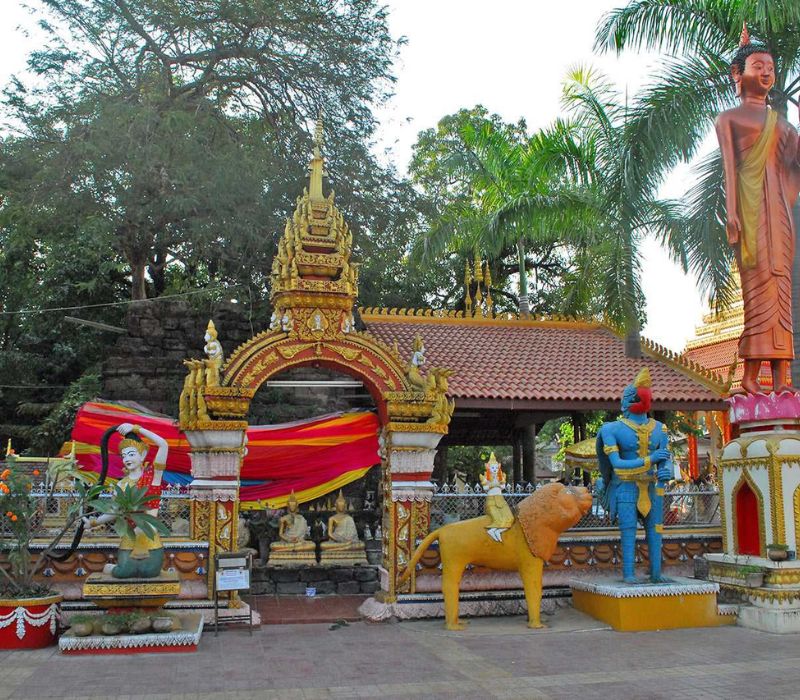
The diverse collection of Buddha statues throughout the Wat Si Muang temple complex. (Photo: Collected)
Throughout the temple grounds, visitors will also encounter statues of Hindu deities such as Garuda, Hanuman, Indra, and Thotsakan. Their presence reflects the long-standing coexistence of Hindu influences and Theravada Buddhism within Lao spiritual culture.
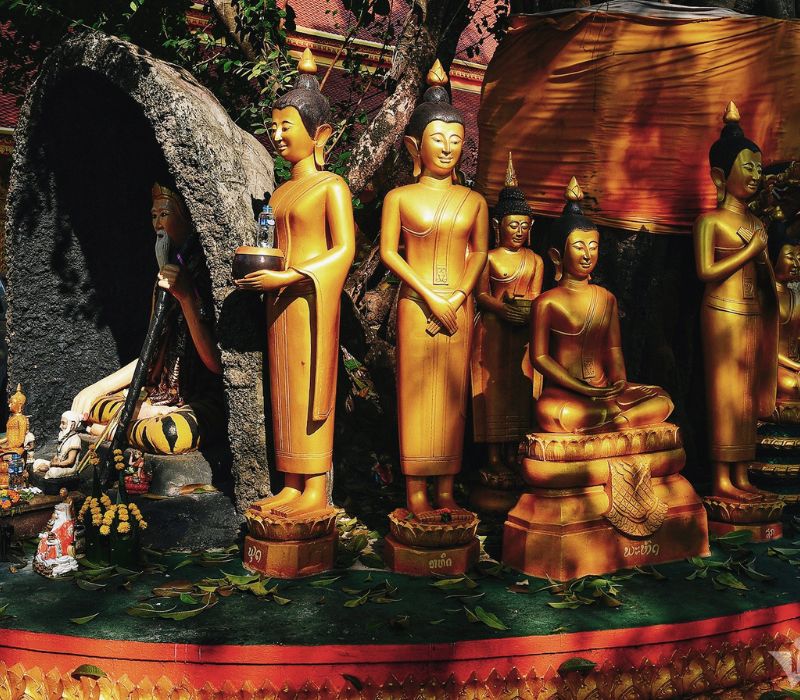
Countless Buddha statues and sacred guardian figures are arranged throughout the lush temple grounds of Wat Si Muang. (Photo: Collected)
1.3.4 Ancient Khmer Ruins
Behind the main sanctuary lies one of the temple’s most intriguing areas, where remnants of the ancient Khmer temple remain preserved. Laterite stone blocks wrapped in sacred cloth, together with fragments of old towers, narrow pathways, and ancient pillars, offer a fascinating glimpse into the site’s distant past.
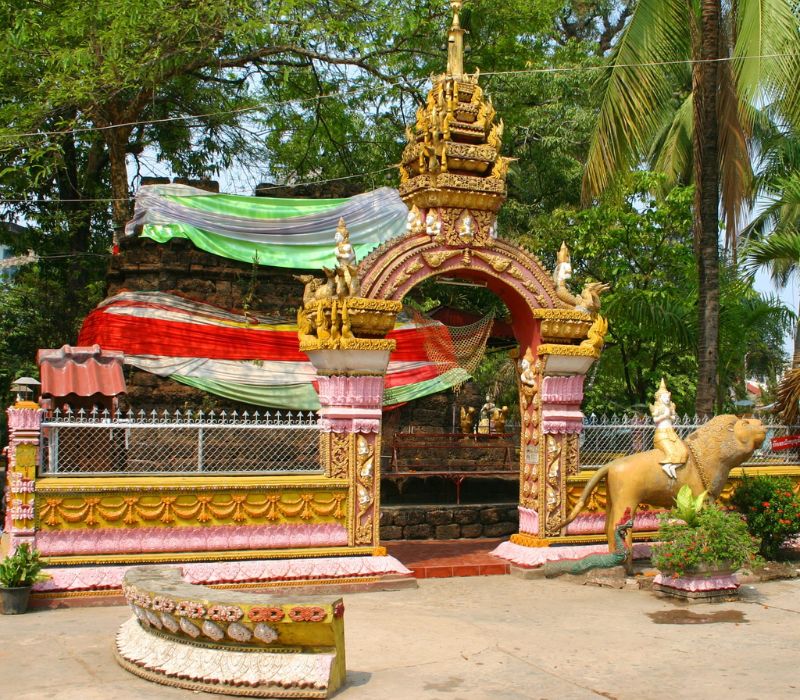
The ancient Khmer temple ruins behind the main hall, where laterite stone blocks draped in sacred cloth preserve the site’s rich historical legacy. (Photo: Collected)
1.3.5 Temple Grounds and Traditional Buddhist Art
The temple complex also features dozens of Buddha statues, mythical guardian figures, meditation spaces, salas (open pavilions), and areas dedicated to traditional cultural performances.
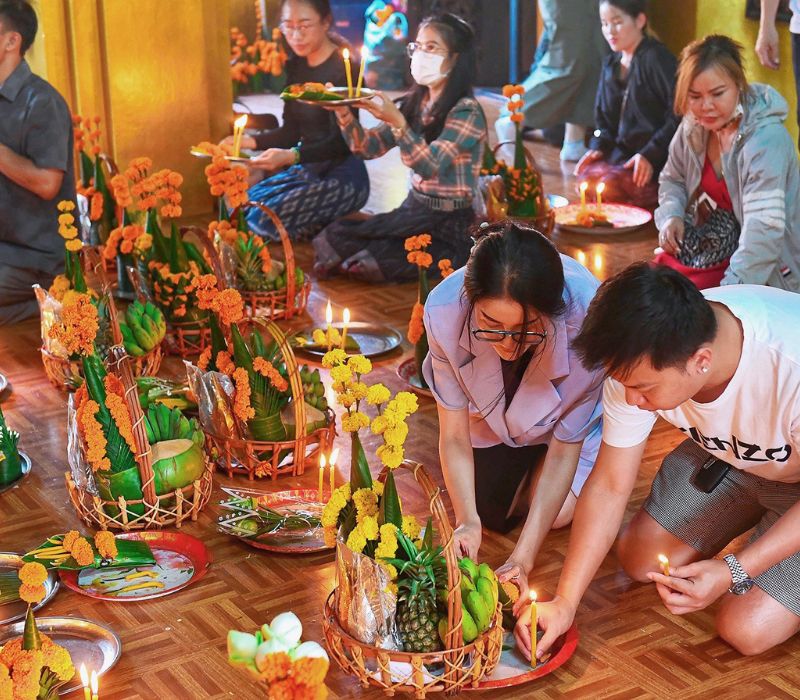
Local worshippers making offerings with deep devotion. (Photo: Collected)
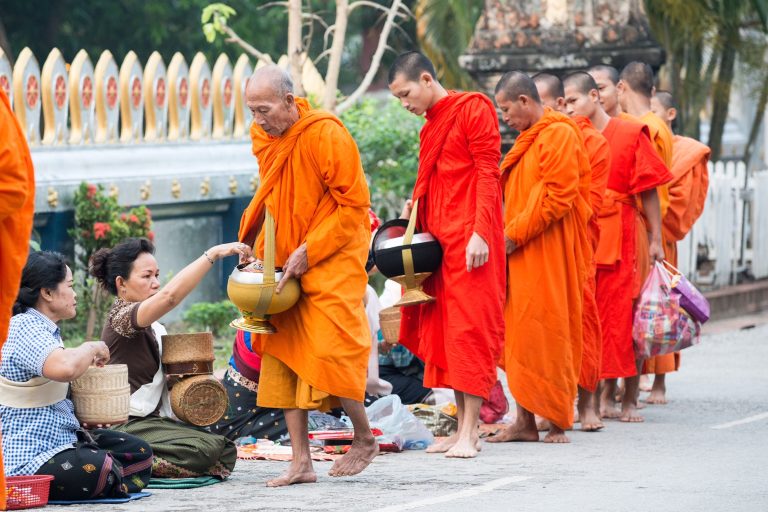
Beneath the gracefully curved temple roofs, visitors can watch monks chanting prayers, worshippers lighting incense, and occasionally hear the calls of playful gibbons living within the temple grounds, creating an atmosphere that is both peaceful and vibrant.
2. Experience the Traditional Baci Wrist-Tying Ceremony
One of the most meaningful cultural experiences at Wat Si Muang is participating in the traditional Lao wrist-tying ceremony, known as the Baci ceremony.
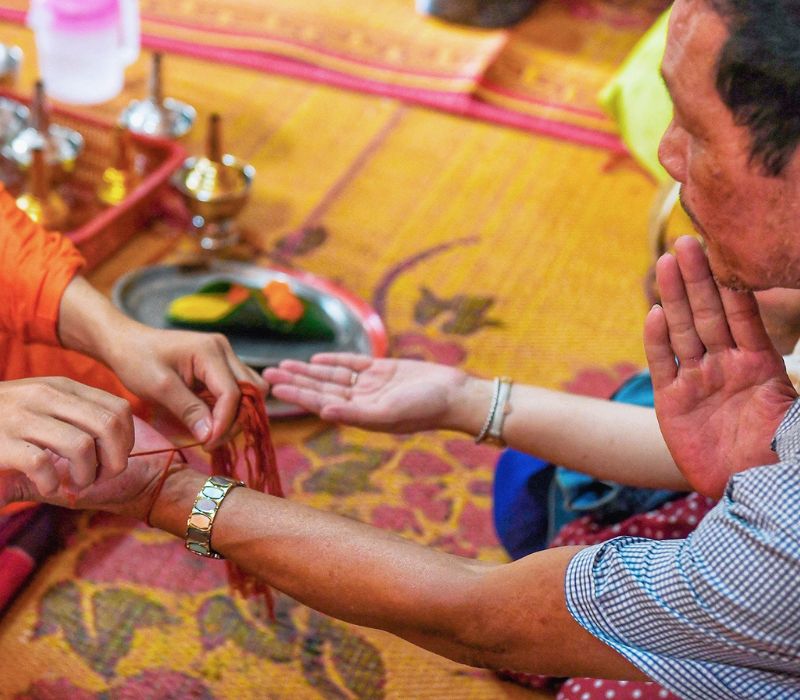
The traditional Baci wrist-tying ceremony, a cherished spiritual and cultural tradition at Wat Si Muang. (Photo: Collected)
During this ritual, sacred cotton strings are tied around participants’ wrists as blessings for good fortune, health, happiness, and protection. The ceremony reflects the Lao belief that these threads help preserve one’s spiritual well-being and strengthen positive energy.
Monks often accompany the ceremony by chanting Buddhist scriptures before gently tying the blessed strings around each participant’s wrist. Yellow strings commonly symbolize prosperity and happiness, while white strings represent purity, peace, and spiritual protection.
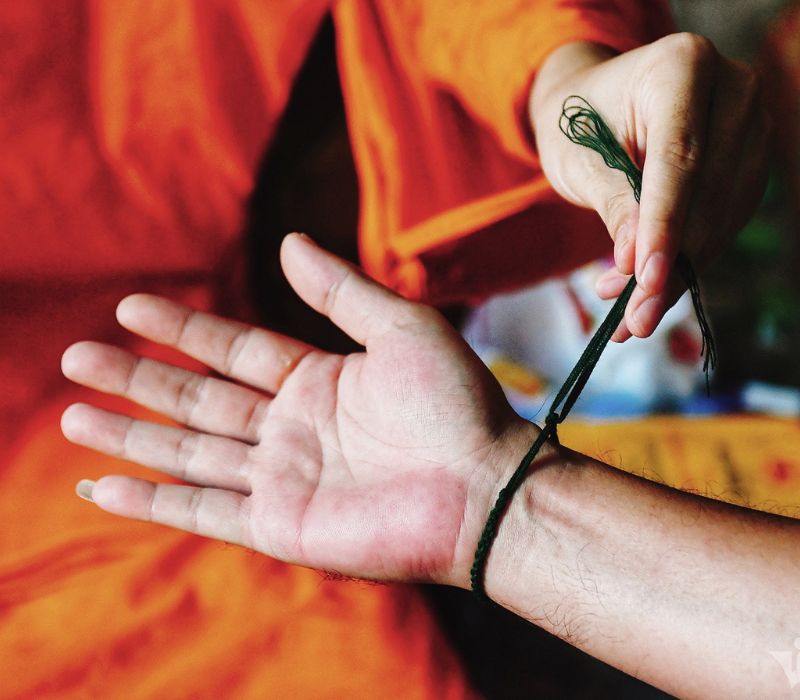
Monks perform blessing rituals and tie sacred cotton strings around visitors’ wrists as symbols of good fortune and well-being. (Photo: Collected)
Taking part in this traditional ceremony offers visitors a unique opportunity to experience one of Laos’ most cherished cultural and religious customs while gaining a deeper appreciation for the country’s spiritual heritage.
3. Important Tips for Visiting Wat Si Muang
As one of the most sacred temples in Laos, Wat Si Muang remains an active place of worship and deserves the utmost respect from visitors.
- Dress modestly by covering your shoulders and knees.
- Remove hats and head coverings before entering the temple’s sacred areas.
- Respect the traditions surrounding the Baci wrist-tying ceremony and follow the guidance of the monks.
- Maintain a quiet, polite, and respectful attitude throughout your visit.
A visit to Wat Si Muang is much more than a stop at a historic temple. It is an opportunity to connect with the rich cultural heritage, spiritual traditions, and fascinating history of Laos. Whether you are a Buddhist pilgrim or simply an interested traveler, you are likely to leave with a sense of peace, inspiration, and a deeper understanding of the country’s enduring faith and traditions
Ready to Discover the Hidden Beauty of Laos?
If you’re planning to explore the heart of Indochina—especially the enchanting country of Laos—consider joining our NORTH VIETNAM & LAOS – 13 DAYS TOUR for an unforgettable journey. Experience the timeless charm of ancient temples, majestic mountains, untouched nature, breathtaking landscapes, and the warm hospitality that makes the Lao people so welcoming. Let Focus Asia Travel help you discover the very best of Laos with a carefully designed itinerary and professional travel services.
Contact Focus Asia Travel for a FREE consultation:
Hotline: +84 793 113 879 / +84 78 2323 879 / +84 93 645 9995 / +84 93 617 9995
Email: customer@focusasiatravel.com / sales@focusasiatravel.vn
Websites: