





Visit Wat Si Saket – Laos’ Oldest Temple with Thousands of Ancient Buddha Images

Wat Si Saket is one of the oldest and most remarkable temples in Laos. More than just a sightseeing attraction, it stands as a living symbol of the country’s culture, history, and deep Buddhist faith.
1. Introduction to Wat Si Saket
Located in the heart of Vientiane, Wat Si Saket is one of the oldest surviving Buddhist temples in Laos and one of the capital’s most iconic cultural landmarks. Beyond its historical significance, the temple is a peaceful spiritual sanctuary that welcomes visitors from around the world. Unlike many modern temples, Wat Si Saket offers a tranquil atmosphere where timeless architecture, sacred traditions, and quiet serenity come together.
What makes Wat Si Saket truly special is not extravagant decoration, but its understated elegance and remarkable preservation. Having survived centuries of political upheaval and war, the temple retains much of its original structure and sacred ambiance. For the Lao people, it is more than a place of worship—it remains an important part of daily spiritual life, where locals gather to pray, meditate, and make offerings.
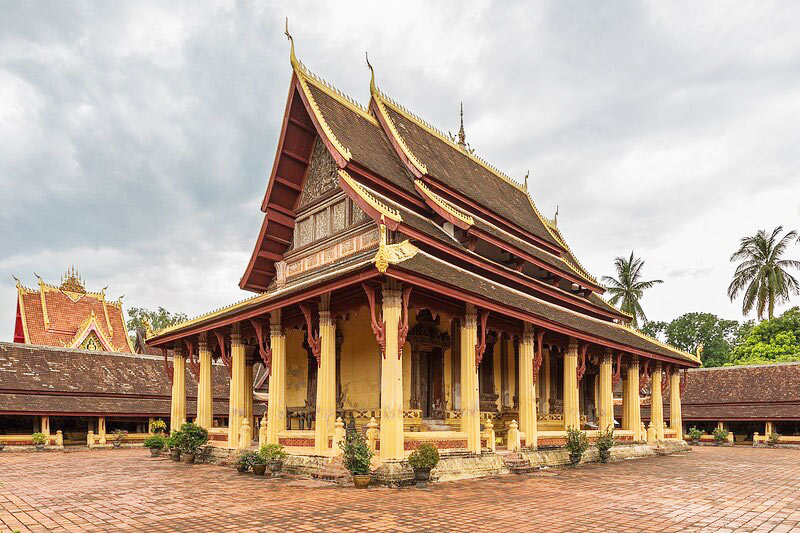
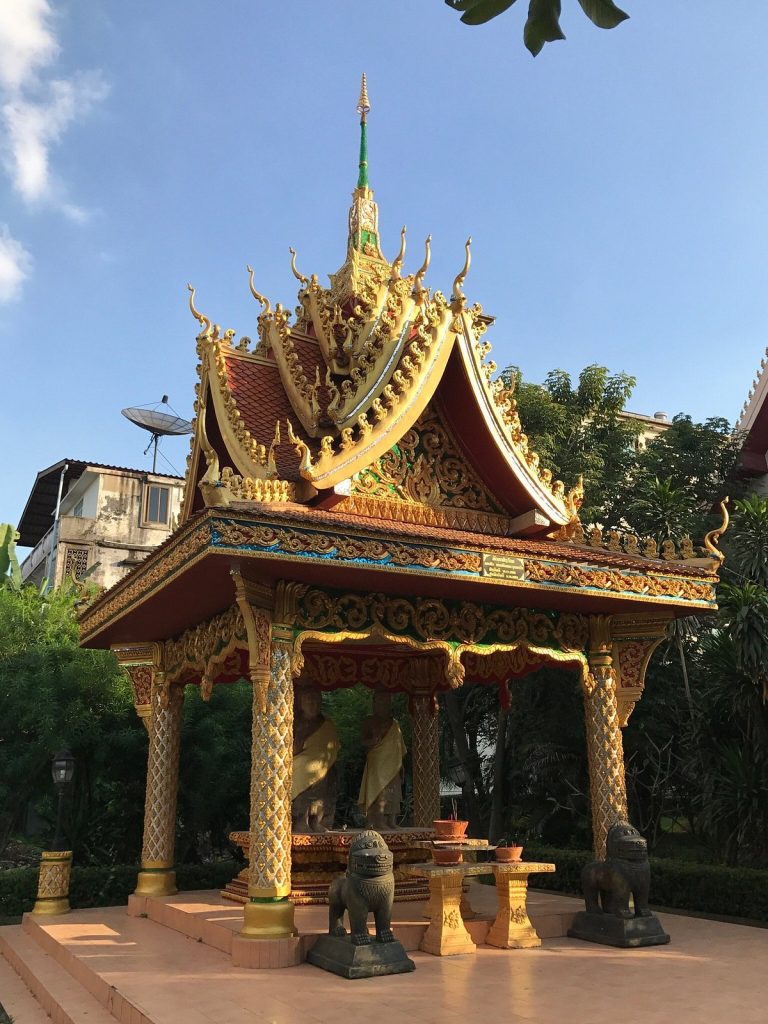
Wat Si Saket is one of the oldest and most renowned temples in Laos. (Photo: Collected)
A visit to Wat Si Saket offers a deeper understanding of Lao Buddhism and its enduring influence on the country’s culture. Whether you are a devoted Buddhist or simply a curious traveler, the temple invites you to slow down, reflect, and experience a rare sense of peace amid the fast pace of modern life.
2. The History of Wat Si Saket
Wat Si Saket was built in 1818 under the order of King Anouvong (also known as Chao Anouvong), the last monarch of the Kingdom of Vientiane. Unlike traditional Lao temples of the period, it was constructed in a distinctive Siamese Buddhist architectural style, featuring a five-tiered roof and a surrounding cloister. This design reflected the architectural influence of neighboring Siam (present-day Thailand) while maintaining the spiritual essence of Lao Buddhism.
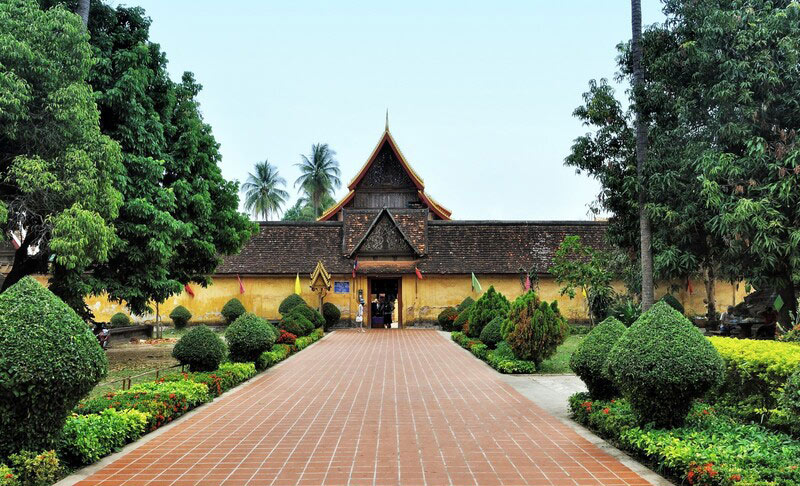
It is one of the country’s most popular attractions for both domestic and international visitors. (Photo: Collected)
The temple’s Siamese-inspired architecture is believed to be one of the reasons it survived the Siamese–Lao War of 1827–1828, during which much of Vientiane was destroyed. While numerous temples were reduced to ruins, Wat Si Saket remained standing, making it the oldest surviving temple in the city.
The temple underwent major restoration projects in 1924 and 1930 during the French colonial period, helping preserve both its architectural beauty and invaluable cultural heritage. Today, Wat Si Saket serves not only as an active place of worship but also as one of Laos’ most treasured historical monuments.
3. Amazing Experiences Awaiting You at Wat Si Saket
3.1 Admire the Temple’s Unique Architecture
Wat Si Saket is celebrated for its beautifully crafted architecture, with its distinctive five-tiered roof serving as the temple’s most recognizable feature. Surrounding the main sanctuary is a long covered cloister lined with thousands of small niches.
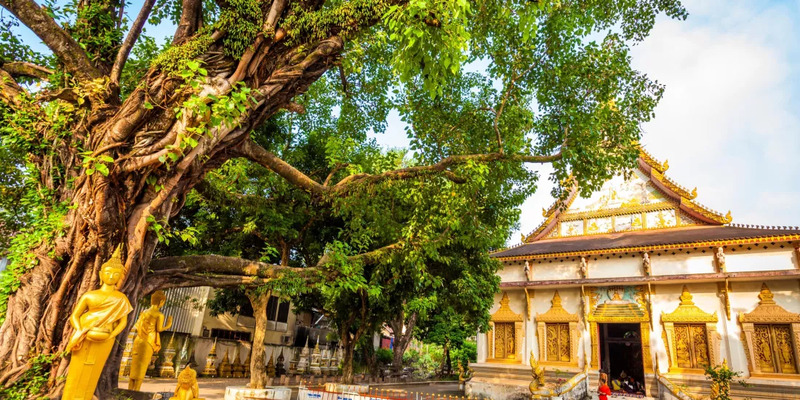
Lush greenery surrounds the temple, creating a peaceful and refreshing atmosphere. (Photo: Collected)
Inside these niches are approximately 2,000 ceramic and silver Buddha images dating from the 16th to the 19th centuries. In addition, the temple houses around 300 larger Buddha statues made from bronze, stone, wood, and tin.
On the western side of the temple, visitors can still see damaged Buddha statues bearing visible scars from past wars. Many remain broken or incomplete, preserved exactly as they were found. Inside the ordination hall stands a collection of magnificent gilded bronze Buddha statues that represent some of the temple’s most valuable treasures.
Almost every visitor is amazed by the sheer number of Buddha images displayed throughout the temple grounds. From the moment you pass through the simple wooden entrance, you are surrounded by countless statues of different sizes and artistic styles, creating an unforgettable spiritual atmosphere.
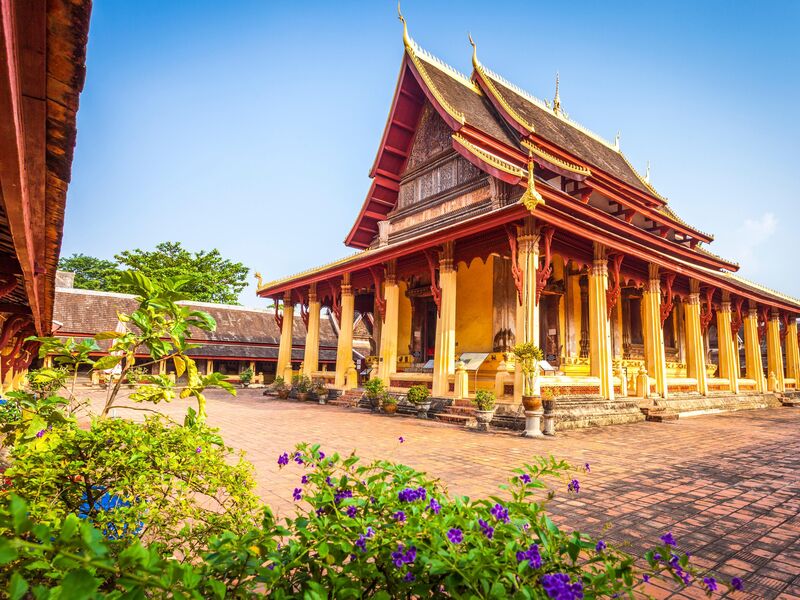
The temple grounds are meticulously maintained, offering a serene environment ideal for reflection and meditation. (Photo: Collected)
Wat Si Saket also houses an impressive collection of around 8,000 ancient manuscripts, making it one of Laos’ most important religious and historical archives. The walls of the main sanctuary are filled with thousands of small alcoves, each containing a Buddha image that symbolizes protection, compassion, and spiritual guidance.
3.2 The Meaning Behind the Headless Buddha Statues
One of the most striking sights at Wat Si Saket is the collection of damaged Buddha statues. Many are missing heads, arms, legs, or bear visible cracks from centuries of conflict.
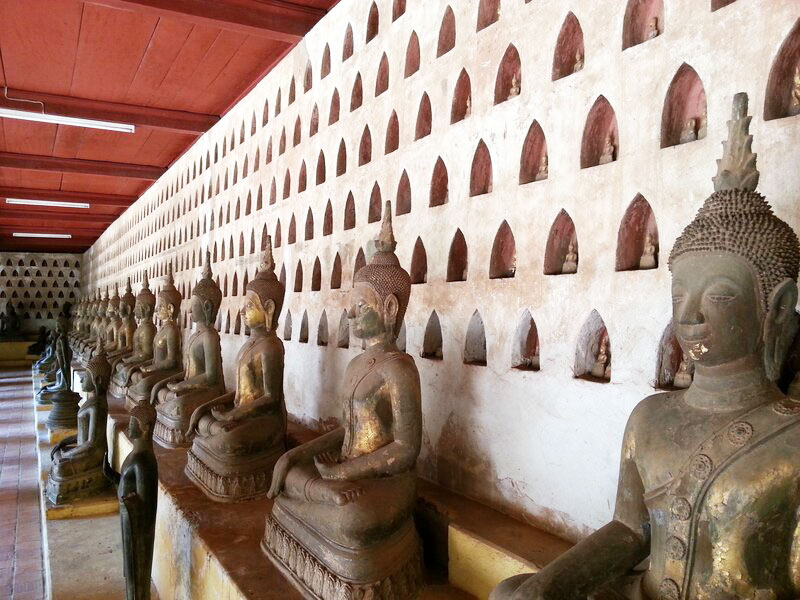
Wat Si Saket is home to thousands of ancient Buddha images on display. (Photo: Collected)
For Buddhist sculptors, the face and head of a Buddha statue represent the highest level of artistic craftsmanship. More importantly, in Buddhism, the head symbolizes wisdom, enlightenment, and spiritual dignity. Damaging a Buddha’s head was therefore considered both an act of destruction and an attack on the religious beliefs of local people.
Throughout its long history, Wat Si Saket suffered repeated attacks during periods of warfare. Invading forces looted religious treasures, decapitated Buddha statues, and even melted down bronze sculptures to reuse the metal.
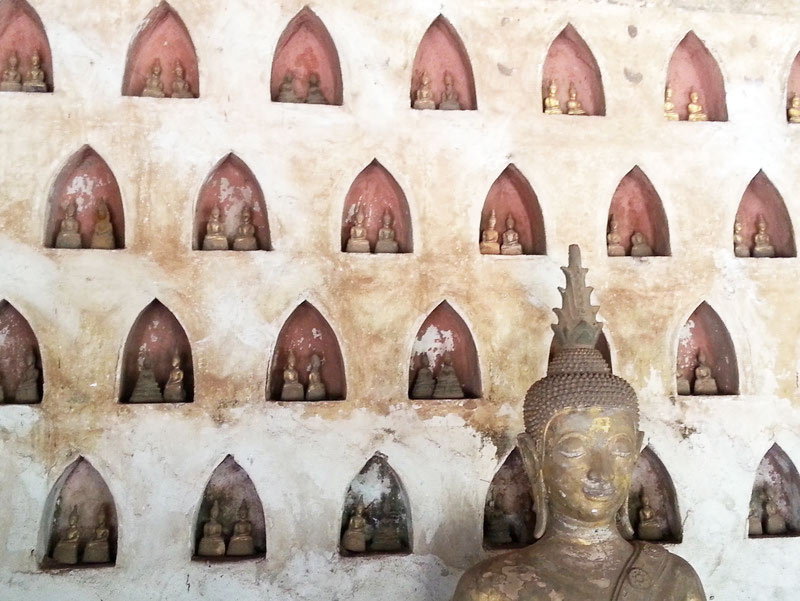
Buddha statues of various sizes have been carefully preserved and protected throughout the temple. (Photo: Collected)
Today, these damaged statues remain on display rather than being replaced or restored. They stand as powerful reminders of the devastating impact of war while symbolizing the resilience of Buddhism and the enduring spirit of the Lao people.
By preserving these broken statues, Laos honors the sacrifices of previous generations and conveys an enduring message about peace, cultural preservation, and the importance of remembering history.
3.3 Discover the Spiritual Life of the Lao People
A visit to Wat Si Saket offers more than architectural beauty—it provides an authentic glimpse into the spiritual traditions of Laos.
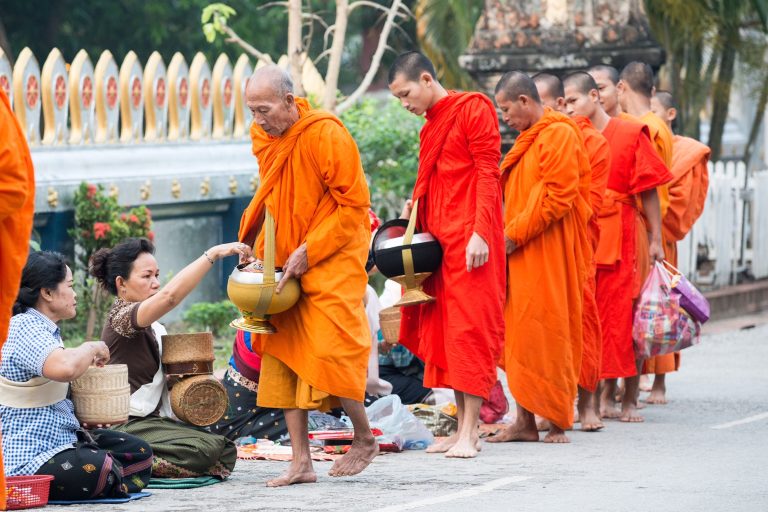
Visitors can observe local Buddhists making offerings, chanting prayers, and participating in traditional religious ceremonies that have been practiced for generations. These simple yet deeply meaningful rituals reflect the important role Buddhism continues to play in everyday Lao life.
Beyond its religious significance, the temple also tells the story of Laos itself—from its construction during the reign of King Anouvong to its French-era restoration and the fascinating history behind its thousands of Buddha images. Every statue, whether perfectly preserved or damaged by time and war, silently tells a story of faith, resilience, and cultural identity.
4. Visitor Tips for Wat Si Saket
To enjoy a respectful and memorable visit to Wat Si Saket, keep these practical travel tips in mind:
- Dress modestly by covering your shoulders and knees. Avoid revealing clothing when entering sacred areas.
- Maintain a quiet and respectful atmosphere. Speak softly and avoid touching Buddha statues or religious objects.
- Remove your shoes before entering the main prayer hall, as required in Lao Buddhist temples.
- Take photographs only where permitted, and avoid using flash when photographing Buddha images or ancient murals.
- Respect ongoing religious ceremonies. If you wish to observe or participate, quietly follow the guidance of local worshippers.
- Help preserve the temple by disposing of rubbish properly and avoiding any actions that may damage the buildings, gardens, or historical artifacts.
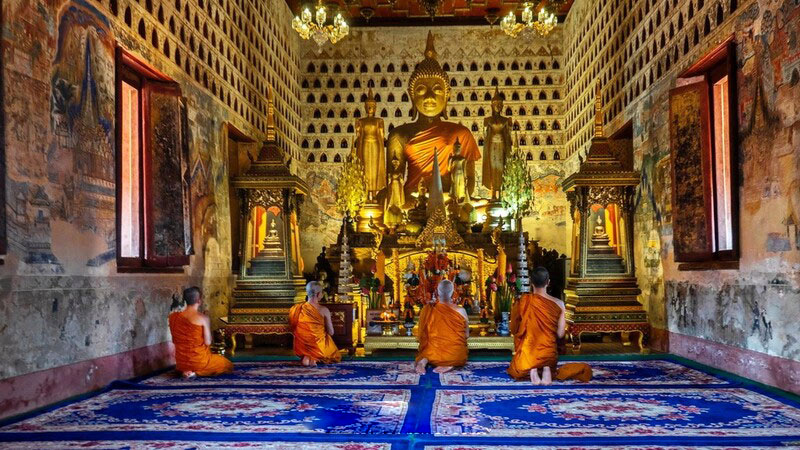
When visiting this sacred site, be mindful of your behavior and show respect for the local culture and religious beliefs. (Photo: Collected)
Wat Si Saket is far more than one of Vientiane’s oldest temples—it is a remarkable destination where history, architecture, spirituality, and culture come together. Whether you are passionate about Buddhist heritage, fascinated by ancient architecture, or simply seeking a peaceful escape, this timeless temple promises an unforgettable experience and a deeper appreciation of Laos’ rich cultural legacy.
Ready to Discover the Hidden Beauty of Laos?
If you’re planning to explore the heart of Indochina—especially the enchanting country of Laos—consider joining our NORTH VIETNAM & LAOS – 13 DAYS TOUR for an unforgettable journey. Experience the timeless charm of ancient temples, majestic mountains, untouched nature, breathtaking landscapes, and the warm hospitality that makes the Lao people so welcoming. Let Focus Asia Travel help you discover the very best of Laos with a carefully designed itinerary and professional travel services.
Contact Focus Asia Travel for a FREE consultation:
Hotline: +84 793 113 879 / +84 78 2323 879 / +84 93 645 9995 / +84 93 617 9995
Email: customer@focusasiatravel.com / sales@focusasiatravel.vn
Websites: