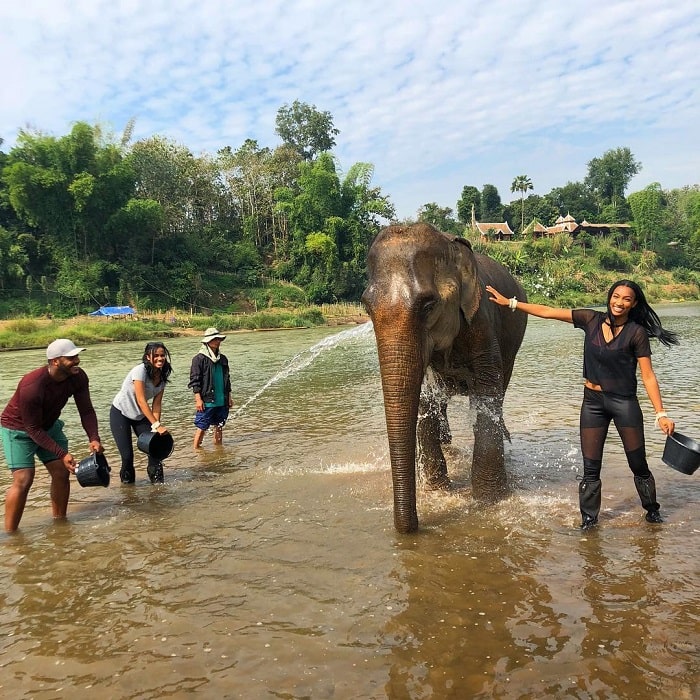






Vientiane Night Market: A Must-Visit Shopping Destination in Laos’ Capital

No trip to Vientiane is complete without spending an evening at the vibrant Vientiane Night Market. Located along the scenic Mekong River, this popular market is the perfect place to shop for local handicrafts, sample Lao street food, and experience the city’s relaxed nightlife.
1. Introduction to Vientiane Night Market
Located within Chao Anouvong Park, the Vientiane Night Market stretches for approximately 300 meters along the banks of the Mekong River, with Rue Pangkham running along its opposite side. The market is spacious, well-organized, and instantly recognizable by its long rows of stalls covered with bright red canopies. Visitors can browse a wide selection of products, including clothing, handicrafts, souvenirs, traditional textiles, accessories, and local snacks.
As one of Vientiane’s most popular evening attractions, the market draws both locals and international visitors every night. Despite its popularity, the atmosphere remains calm and orderly, reflecting the laid-back lifestyle for which Laos is well known. Unlike many bustling night markets in Southeast Asia, shopping here feels relaxed and enjoyable.
Situated beside Chao Anouvong Park, the market is an excellent place to visit after an evening stroll along the Mekong River. Most stalls specialize in handmade crafts, woven textiles, clothing, and local food, offering visitors an authentic glimpse into Lao craftsmanship and everyday life.

A section of the Vientiane Night Market featuring clothing and traditional Lao textiles. (Photo: Collected)
The souvenir section forms the heart of the market. Hundreds of temporary stalls are arranged in neat rows with wide walkways, making it easy to browse at a leisurely pace. Many handcrafted products originate from the traditional artisan villages of Ban Bor Xieng and Ban Phanom, communities renowned for their wood carving, weaving, embroidery, and royal handicrafts before 1975.
Visitors will find an impressive variety of locally made products, including scarves, hats, wallets, handbags, clothing, silk fabrics, handwoven textiles, and colorful traditional garments. Decorative paper lanterns, handmade umbrellas, dried-flower artwork, bamboo crafts, woven sticky rice baskets, fish traps, bamboo flutes, and embroidered souvenirs featuring famous Lao landmarks, Buddhist temples, and the Lao New Year (Pi Mai) are also among the market’s most popular purchases.
- Address: Quai Fa Ngum Road, beside Chao Anouvong Park, Vientiane, Laos
- Opening hours: Daily from 6:00 PM to 10:00 PM
2. How to Travel to Laos
Thanks to the long shared border between Vietnam and Laos, traveling between the two countries is both convenient and affordable. Depending on your budget and travel preferences, there are several transportation options available.
2.1. Traveling by Bus from Hanoi
Travelers can take an overnight sleeper bus from Hanoi to Vientiane via the Cau Treo International Border Gate in Ha Tinh Province. Another option is to travel to Vinh before boarding a bus to Xieng Khouang through the Nam Can Border Gate. One-way sleeper bus tickets typically cost around VND 600,000, and immigration procedures are generally handled by the bus operator.
2.2. Traveling by Bus from Ho Chi Minh City
Travelers departing from Ho Chi Minh City can enter Laos via several border crossings, including those in Kon Tum, Quang Tri, Hue, and Quy Nhon. The Kon Tum route is often the most popular. Vietnam and Laos currently share numerous international and domestic border crossings, making overland travel relatively straightforward with a valid passport.
2.3. Traveling by Air
Flying is the fastest and most convenient option. Several airlines operate direct flights between Ho Chi Minh City and Vientiane, with a flight time of approximately 1 hour and 45 minutes. From Vientiane, travelers can continue to other destinations throughout Laos by bus, train, or domestic flights. Booking airline tickets in advance is usually the best way to secure lower fares.
3. Best Time to Visit Vientiane
The ideal time to visit Laos is between October and May, when the weather is generally dry, sunny, and pleasant.

Bustling food stalls and crowds of visitors at Vientiane Night Market. (Photo: Collected)
From November to March, many of Laos’ most important festivals take place, providing visitors with unique cultural experiences. During the dry season, travelers can enjoy river cruises, explore historical landmarks, visit Buddhist temples, and discover the country’s beautiful natural landscapes under comfortable weather conditions.
4. Where to Stay in Laos
Laos offers accommodation options suitable for every type of traveler.
- In major cities such as Vientiane and Luang Prabang, visitors can choose from budget guesthouses, boutique hotels, luxury hotels, and international resorts.
- In rural destinations like the Bolaven Plateau and Si Phan Don (4,000 Islands), homestays and family-run guesthouses provide authentic local experiences.
- In destinations such as Vang Vieng, riverside resorts, eco-lodges, and charming bungalows offer peaceful surroundings ideal for relaxation.
Accommodation prices vary depending on the season, location, hotel category, and availability.
5. Getting Around Laos
Several affordable transportation options are available for exploring Laos.
The most common choices include tuk-tuks and shared pickup trucks (songthaews) for short-distance travel.
To save money while getting around:
- Share a tuk-tuk with other passengers whenever possible.
- At bus stations, join other travelers heading to the same destination to split transportation costs.
- For longer journeys, purchase tickets through reputable hotels or travel agencies operating intercity buses or vans.
- Compare prices before booking and negotiate fares with drivers whenever appropriate.
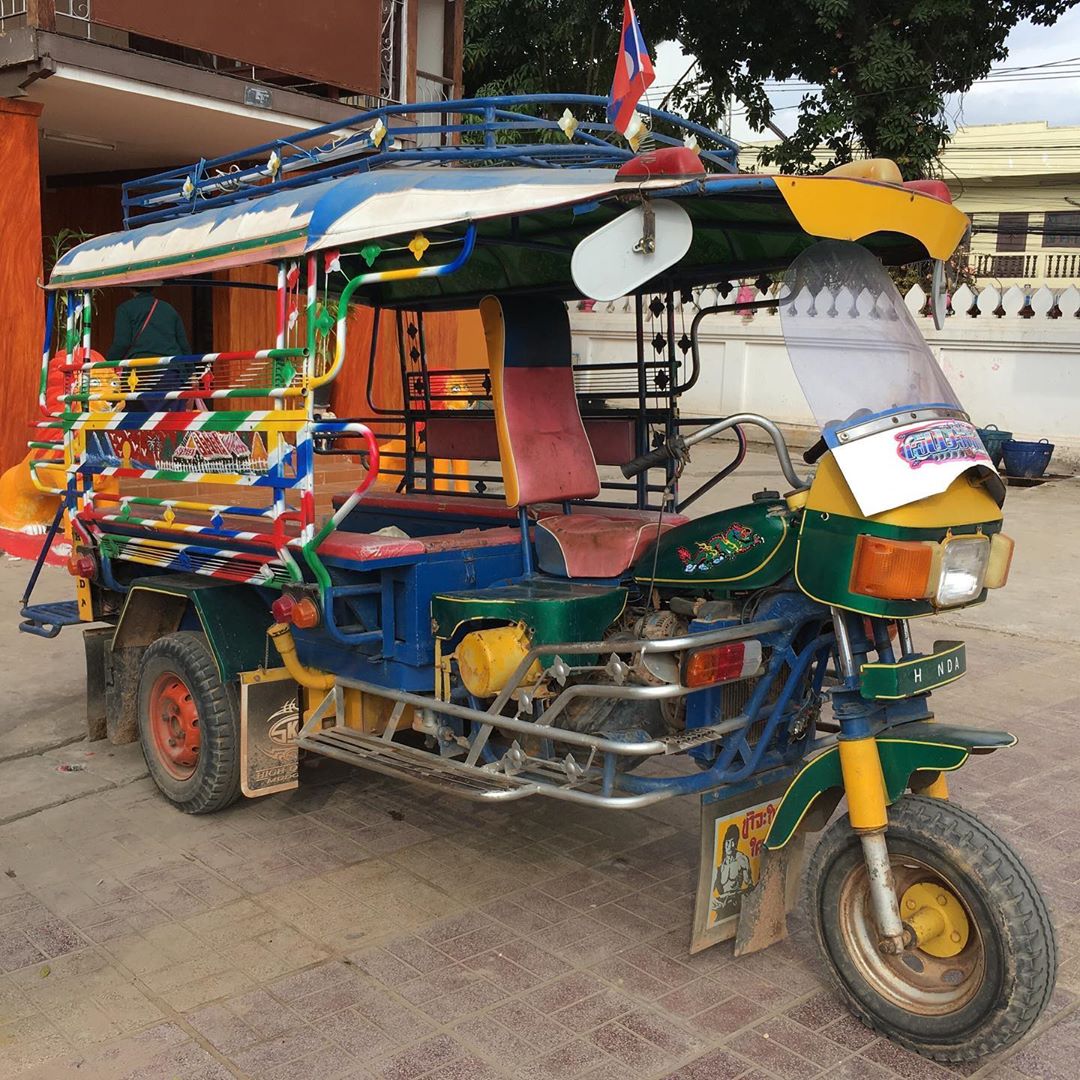
Tuk-tuks, the most popular way to get around Vientiane. (Photo: Collected)
6. Top Attractions Near Vientiane Night Market
While visiting Vientiane Night Market, you can easily explore several of the capital’s most famous landmarks.
6.1. Pha That Luang
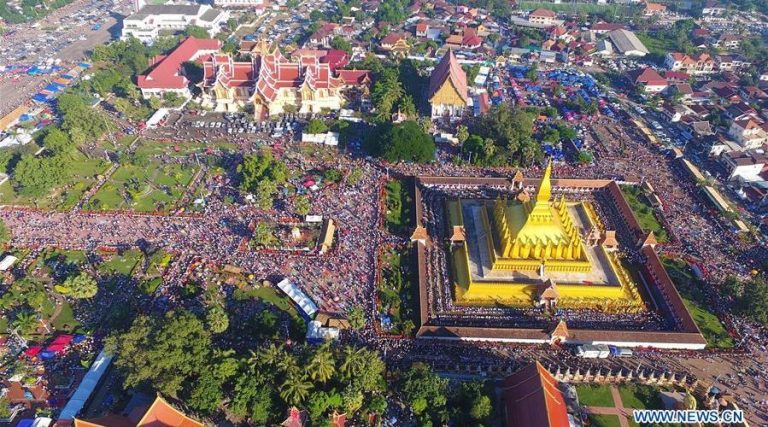
The golden Pha That Luang is Laos’ national symbol and one of Southeast Asia’s most important Buddhist monuments. Standing approximately 45 meters tall, this magnificent gilded stupa dominates the city’s skyline and attracts visitors from around the world.
6.2. Haw Phra Kaew
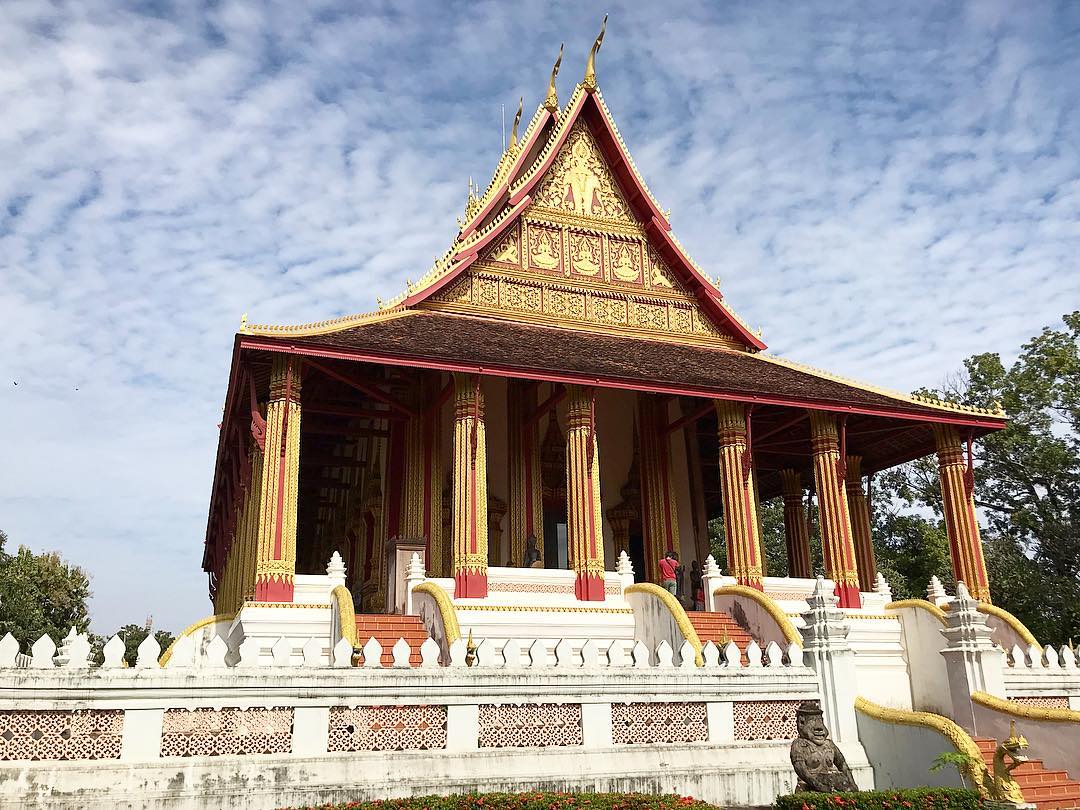
Haw Phra Kaew, one of the top attractions near Vientiane Night Market. (Photo: Collected)
Once home to the legendary Emerald Buddha, Haw Phra Kaew now serves as one of Laos’ finest Buddhist museums. Its elegant traditional architecture and remarkable collection of religious artifacts make it one of Vientiane’s cultural highlights.
6.3. Buddha Park (Xieng Khuan)
Located just outside the city, Buddha Park is an extraordinary sculpture garden featuring hundreds of Buddhist and Hindu statues of various sizes. Its peaceful atmosphere and imaginative artwork make it one of the area’s most unique attractions.
6.4. Patuxai Victory Monument
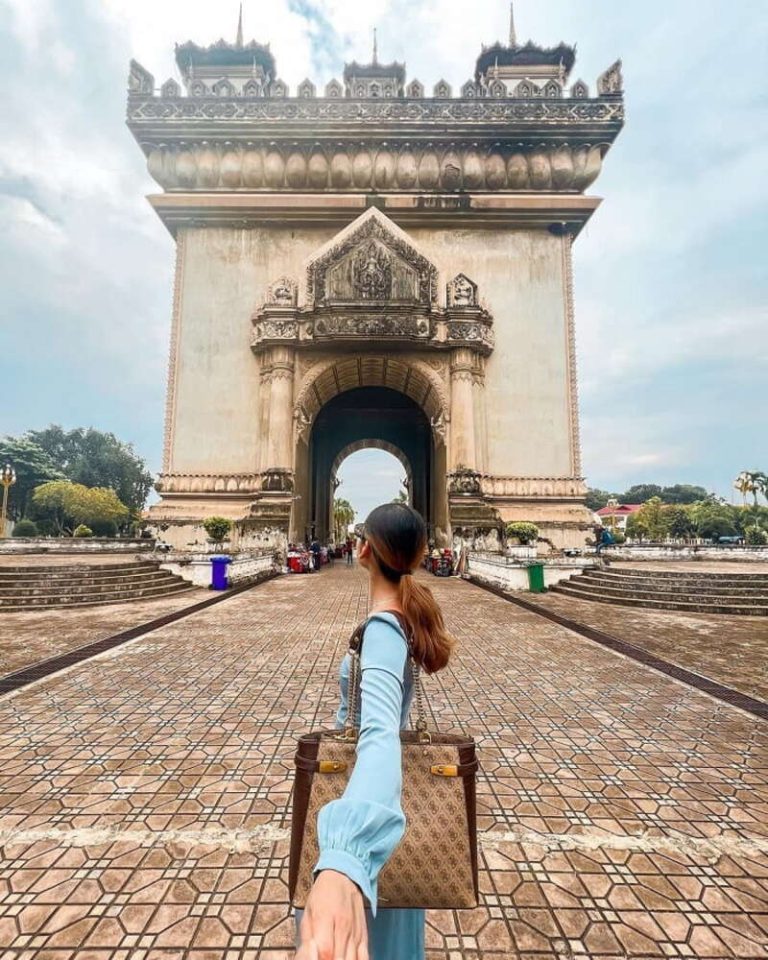
Often referred to as the Arc de Triomphe of Laos, Patuxai commemorates those who fought for the country’s independence. Visitors can climb to the observation deck for panoramic views across Vientiane.
7. Must-Try Local Dishes in Vientiane
No visit to Laos is complete without sampling its distinctive cuisine.
- Larb (Laap): Laos’ national dish made with minced meat, fresh herbs, lime juice, chili, fish sauce, and toasted rice powder, traditionally served with sticky rice.
- Naem Khao: A crispy rice salad mixed with fermented pork sausage, peanuts, grated coconut, herbs, and fresh lettuce.
- Khao Jee Pâté: The Lao version of a baguette sandwich filled with pâté, grilled meat, eggs, pickled vegetables, and herbs.
- Or Lam: A hearty traditional stew made with beef, pork, or chicken, vegetables, herbs, and aromatic spices.
- Mok Pa: Fresh fish seasoned with herbs and spices, wrapped in banana leaves, and steamed to perfection.
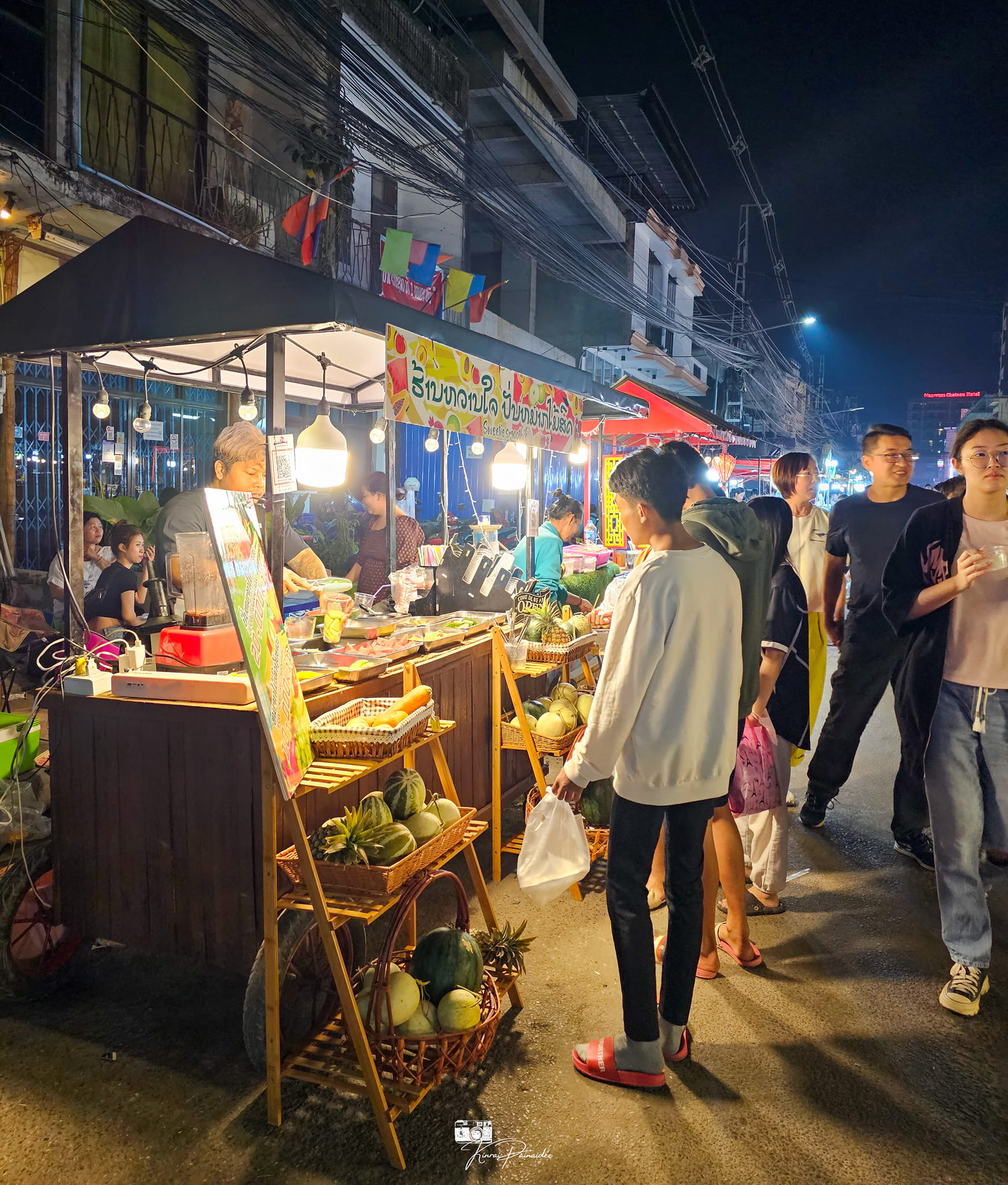
Visitors enjoying shopping at Vientiane Night Market. (Photo: Collected)
8. Essential Travel Tips for Visiting Laos
Before your trip, make sure you have prepared the following essentials:
- A passport valid for at least six months, along with any necessary travel documents and bank cards.
- Important contact information, including your tour guide, hotel, and the Embassy of Vietnam in Laos if applicable.
- Personal essentials such as sunscreen, basic medication, cash, hats, and comfortable clothing suitable for visiting Buddhist temples and cultural sites.
- Familiarize yourself with Lao customs and etiquette to ensure respectful interactions with local communities.
Vientiane Night Market offers a shopping experience unlike any other. Rather than the noisy crowds often found in traditional markets, visitors will discover a peaceful atmosphere where browsing, shopping, and enjoying local life become equally rewarding. Whether you’re searching for authentic souvenirs, delicious street food, or simply a pleasant evening along the Mekong River, this charming night market is one of the highlights of any visit to Vientiane.
Ready to Discover the Hidden Beauty of Laos?
If you’re planning to explore the heart of Indochina—especially the enchanting country of Laos—consider joining our NORTH VIETNAM & LAOS – 13 DAYS TOUR for an unforgettable journey. Experience the timeless charm of ancient temples, majestic mountains, untouched nature, breathtaking landscapes, and the warm hospitality that makes the Lao people so welcoming. Let Focus Asia Travel help you discover the very best of Laos with a carefully designed itinerary and professional travel services.
Contact Focus Asia Travel for a FREE consultation:
Hotline: +84 793 113 879 / +84 78 2323 879 / +84 93 645 9995 / +84 93 617 9995
Email: customer@focusasiatravel.com / sales@focusasiatravel.vn
Websites: