





The Ultimate Vientiane Travel Guide 2026 (Part 1)

Planning a trip to Laos? Don’t miss Vientiane, the country’s charming capital, where centuries-old Buddhist heritage, fascinating history, and authentic Lao culture come together. Whether you’re a first-time visitor or a seasoned traveler, this guide will help you make the most of your journey through one of Southeast Asia’s most peaceful capitals.
From magnificent temples and historical landmarks to bustling night markets and delicious local cuisine, Vientiane offers countless memorable experiences. Join Focus Asia Travel as we explore everything you need to know before visiting the capital of the “Land of a Million Elephants.”
1. Where Is Vientiane?
Vientiane, the capital and largest city of Laos, sits peacefully along the banks of the Mekong River, directly opposite Thailand. Covering approximately 3,920 km², the city is home to around one million residents, making it the political, economic, and cultural heart of the country.
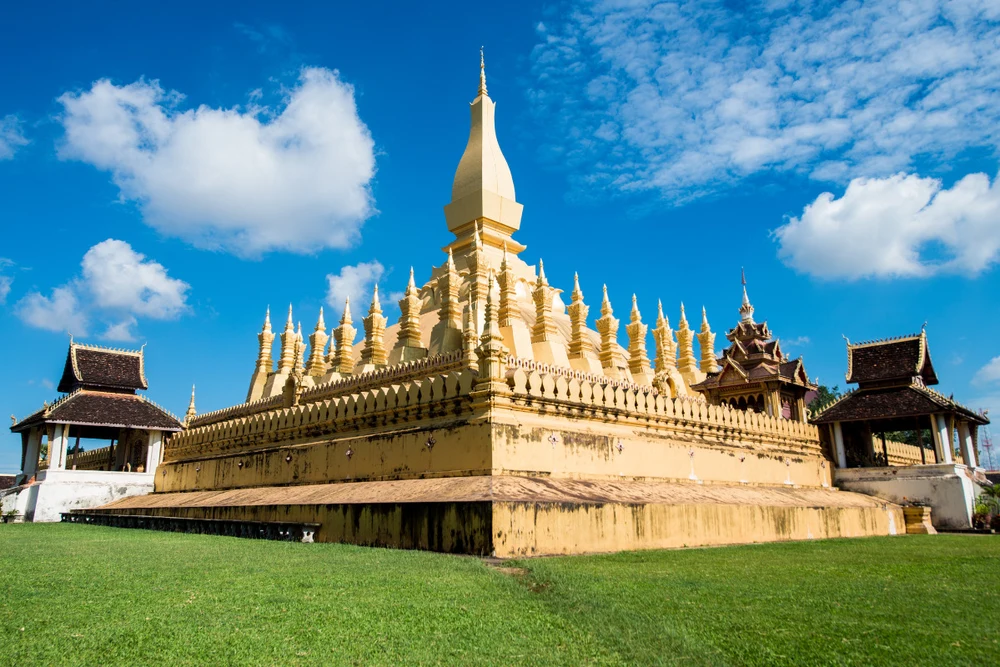
An ancient Buddhist temple in the heart of Vientiane, the capital of Laos (Photo: Collected)
2. About the Capital of Laos
Vientiane has served as the capital of Laos since 1573. Over the centuries, it has evolved into the nation’s economic center while preserving its unique cultural identity and relaxed atmosphere.
Surrounded by the majestic Annamite Mountains and blessed with a tropical climate, Vientiane enjoys beautiful natural scenery, including fertile valleys, picturesque lakes such as Nam Ngum Lake, and scenic waterfalls like Vang Luang Waterfall. The city is also famous for its remarkable collection of more than 1,400 Buddhist temples, making it one of Southeast Asia’s most rewarding destinations for travelers interested in spirituality, architecture, and history.
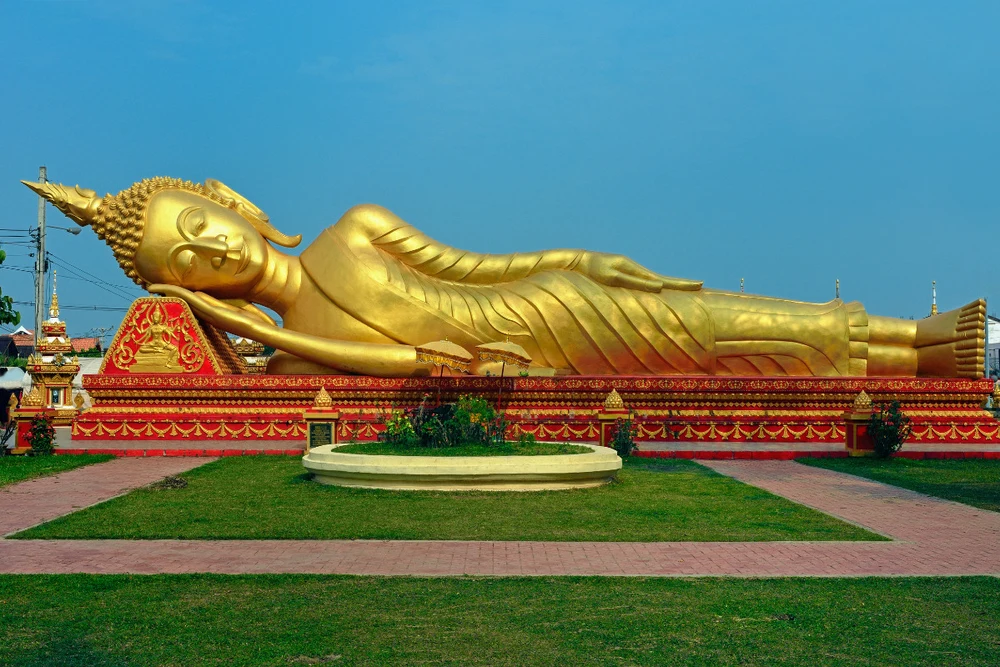
The famous Buddha statue in Vientiane, Laos. (Photo: Collected)
3. How to Travel to Vientiane from Vietnam
As neighboring countries, Vietnam and Laos enjoy a convenient travel policy. Vietnamese citizens can enter Laos visa-free for up to 30 days for tourism purposes. Before traveling, make sure your passport is valid to ensure a smooth immigration process.
Getting to Vientiane from Vietnam
Travelers can fly to Vientiane from Vietnam’s two largest international airports:
- Noi Bai International Airport (Hanoi)
- Tan Son Nhat International Airport (Ho Chi Minh City)
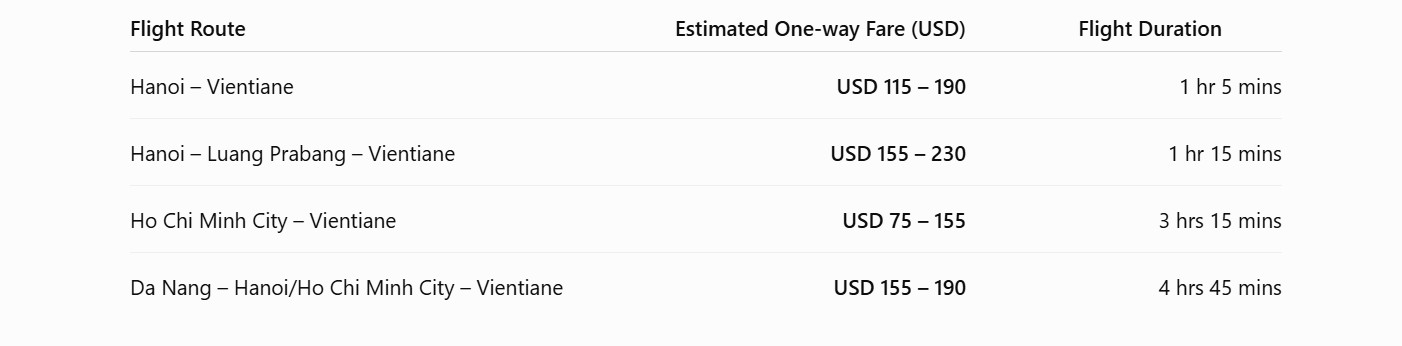
Below is a reference table of estimated airfares and flight durations for routes from Vietnam to Vientiane. (Photo: Collected)
Direct flights arrive at Wattay International Airport (VTE) in Vientiane. Some itineraries may include a stopover at Luang Prabang International Airport, depending on the airline and schedule.
Flight duration and ticket prices vary according to the airline, booking period, and number of stopovers. Popular carriers serving this route include Vietnam Airlines, Lao Airlines, and Thai AirAsia. Booking early is recommended to secure the best fares.
4. Getting Around Vientiane
Wattay International Airport is located approximately 5 kilometers from downtown Vientiane, making transportation into the city quick and convenient.
4.1. Taxi
Taxis are ideal for groups of three or four travelers. Fares typically range from 57,000 to 66,000 Lao Kip, depending on your destination.
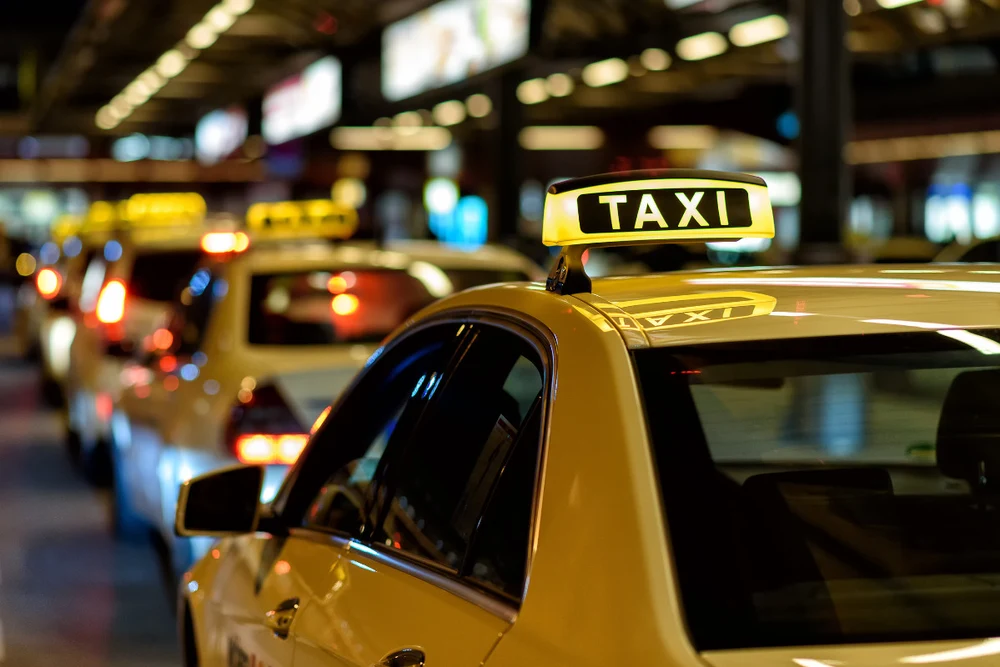
Taxis are a means of transportation in Laos.. (Photo: Collected)
4.2. Public Bus
For budget-conscious travelers, local buses are an affordable option, with one-way fares starting at around 15,000 Lao Kip. Before boarding, check which route stops closest to your accommodation.
4.3. Tuk-Tuk
The iconic tuk-tuk remains one of the most popular ways to explore Vientiane. A typical ride costs around 20,000 Lao Kip, and negotiating the fare with the driver is common practice.
4.4. Pickup Trucks
Shared pickup trucks are another widely used means of transportation in Laos. They are inexpensive, flexible, and easy to find throughout the city.
Travelers who prefer greater freedom can also rent bicycles, motorcycles, or private cars to explore Vientiane and its surrounding attractions at their own pace.
5. Top attractions in Vientine
5.1. Patuxai Victory Monument
Often referred to as the Arc de Triomphe of Laos, Patuxai Victory Monument stands proudly at the end of Lane Xang Avenue in central Vientiane.
Constructed between 1957 and 1968, the monument commemorates the Lao people who sacrificed their lives during the struggle for independence from French colonial rule.
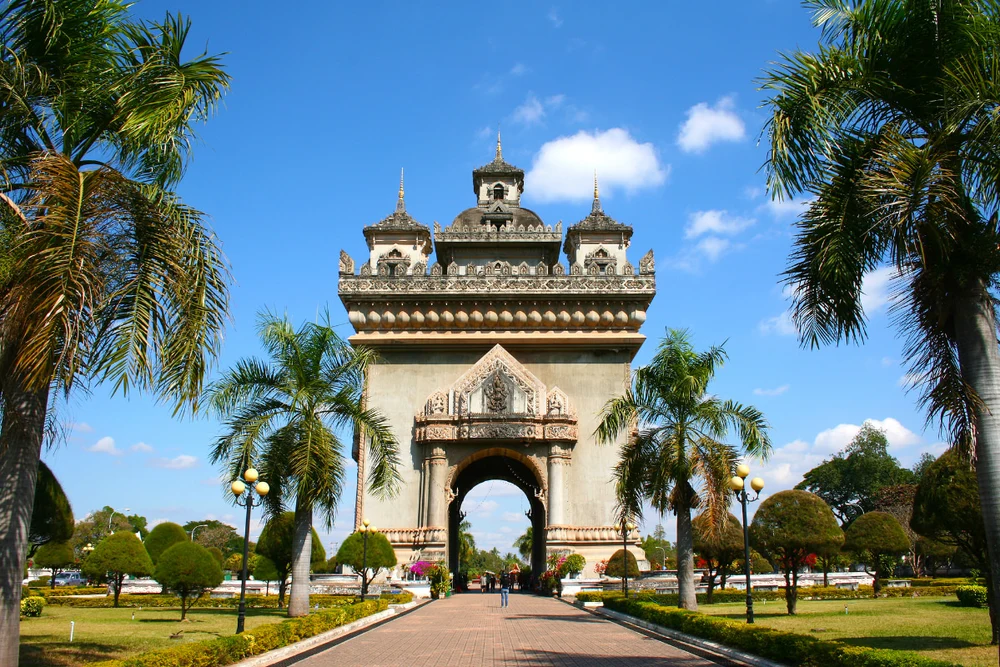
Patuxai Victory Monument. (Photo: Collected)
Patuxai features five elegant towers symbolizing the principles of peaceful coexistence among nations. Inside the monument, visitors can explore exhibitions dedicated to Lao national heroes before climbing to the observation deck for spectacular panoramic views of the city.
Patuxai is undoubtedly one of Vientiane’s most iconic landmarks.
5.2. Pha That Luang
No visit to Vientiane is complete without seeing Pha That Luang, the national symbol of Laos and one of the country’s most sacred Buddhist monuments.
Originally built in 1566 on the site of an ancient Khmer temple, the magnificent golden stupa reflects the spiritual heart of Laos and showcases the country’s distinctive architectural style.
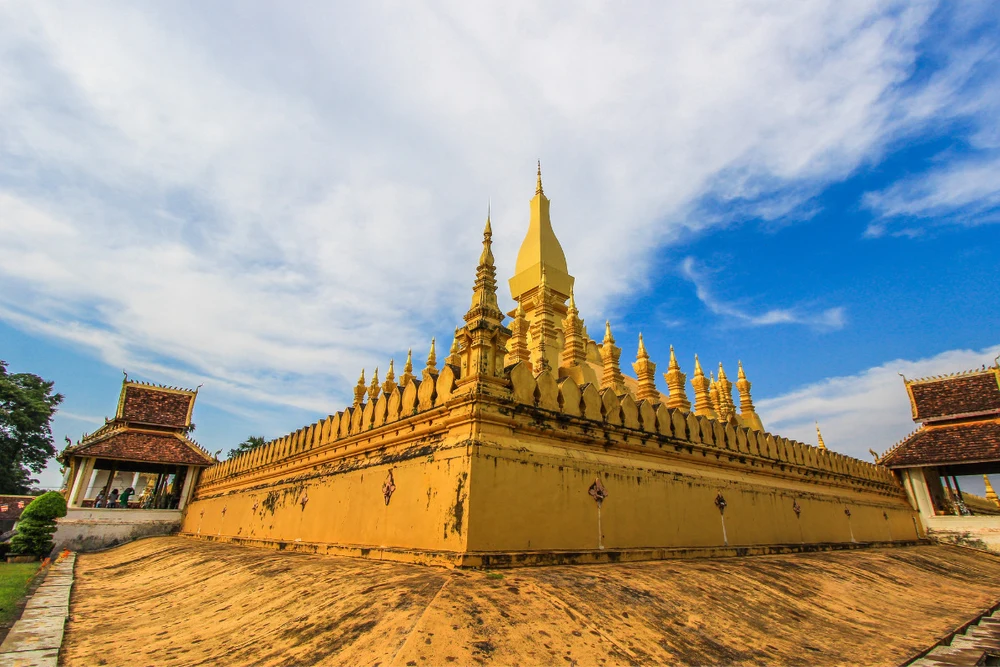
Pha That Luang. (Photo: Collected)
Every year, from late October to early November, Pha That Luang becomes the center of the country’s largest religious festival, attracting thousands of pilgrims and visitors from across Laos and abroad.
For a modest entrance fee of approximately 3,000 Lao Kip, visitors can admire this magnificent monument while learning about its historical, cultural, and religious significance.
5.3. Lao Contemporary Art Museum
Located in the heart of Vientiane, the Lao Contemporary Art Museum offers visitors a fascinating journey through the country’s artistic heritage.
Its extensive collection features thousands of works inspired by Lao culture, everyday life, religion, and the country’s breathtaking natural landscapes.
From paintings and sculptures to ceramic Buddha statues and traditional handicrafts, each exhibit showcases the creativity and craftsmanship of Lao artists while preserving the nation’s cultural identity.
The museum is not only an art gallery but also a gateway to understanding modern Laos.
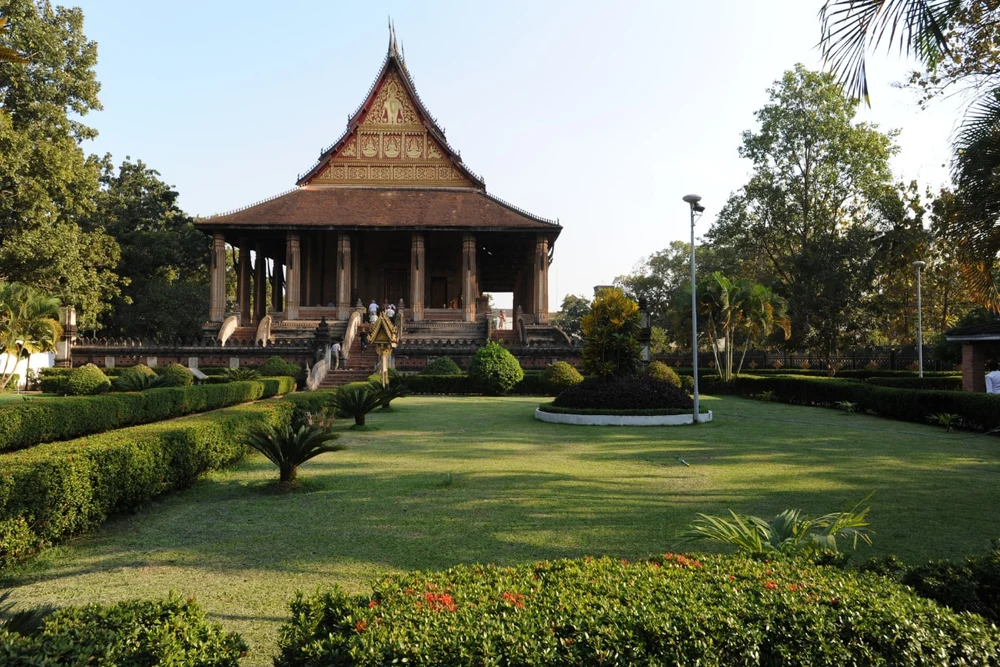
Lao Contemporary Art Museum. (Photo: Collected)
5.4. Wat Si Saket
Situated on Setthathirath Road, near Lane Xang Avenue, Wat Si Saket is the oldest surviving temple in Vientiane.
Built in 1818 by King Anouvong, the temple remarkably survived the destruction of the Siamese invasion and remains one of Laos’ finest examples of traditional Buddhist architecture.
Wat Si Saket houses 6,840 Buddha images of various sizes, together with more than 8,000 ancient manuscripts and countless religious artifacts crafted from bronze, wood, stone, silver, and plaster.
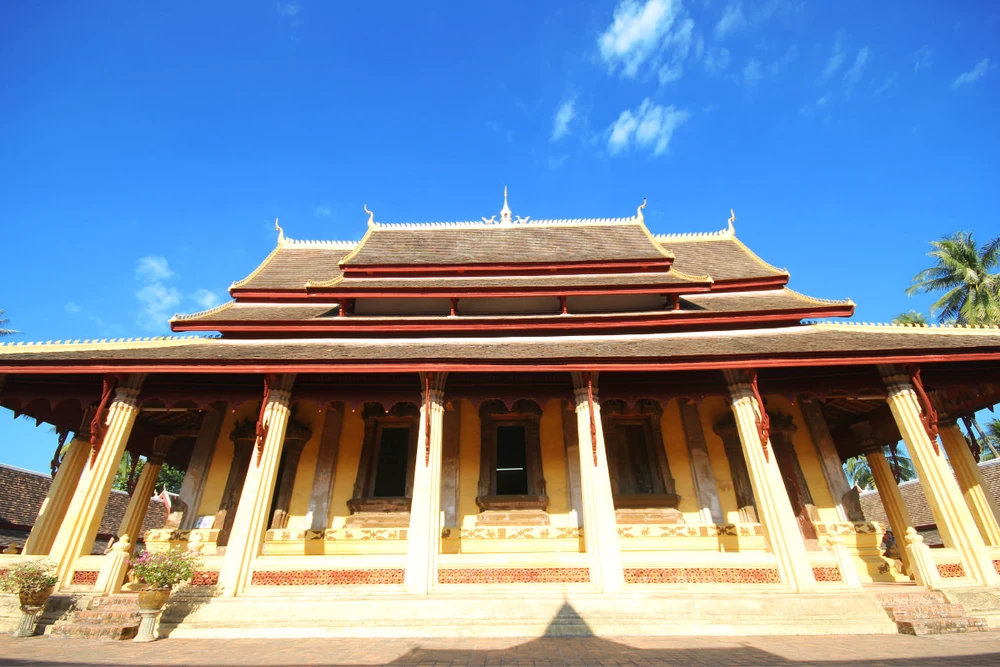
Wat Si Saket. (Photo: Collected)
Its peaceful atmosphere makes it one of the city’s most treasured spiritual landmarks.
5.5. Wat Si Muang
Located at the intersection of Setthathirath Road and Samsenthai Road, Wat Si Muang is considered the most sacred temple in Vientiane.
Built in 1566, the temple blends Buddhist beliefs with traditional Lao spiritual practices.
According to local legend, the temple was constructed on the ruins of an ancient Khmer sanctuary and named after a pregnant woman named Si Muang, who sacrificed herself during its construction.
Today, many locals visit the temple to pray for good fortune, prosperity, and success. The complex includes the main Buddha sanctuary as well as a shrine dedicated to Mother Si Muang.
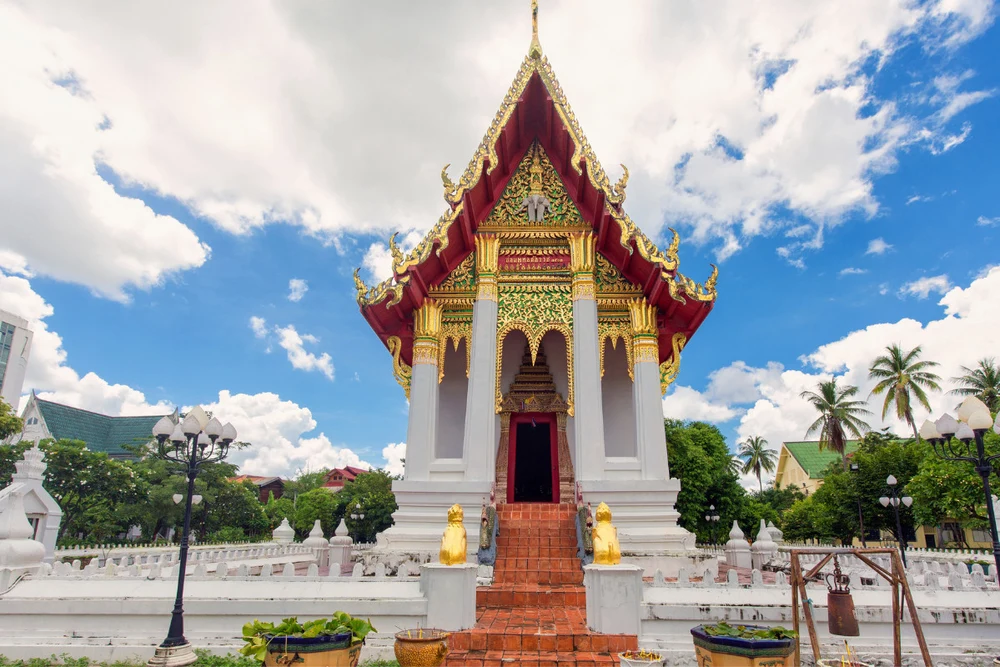
Wat Si Muang. (Photo: Collected)
5.6. Haw Phra Kaew
Originally built to house the famous Emerald Buddha, Haw Phra Kaew now serves as one of Laos’ most important religious museums.
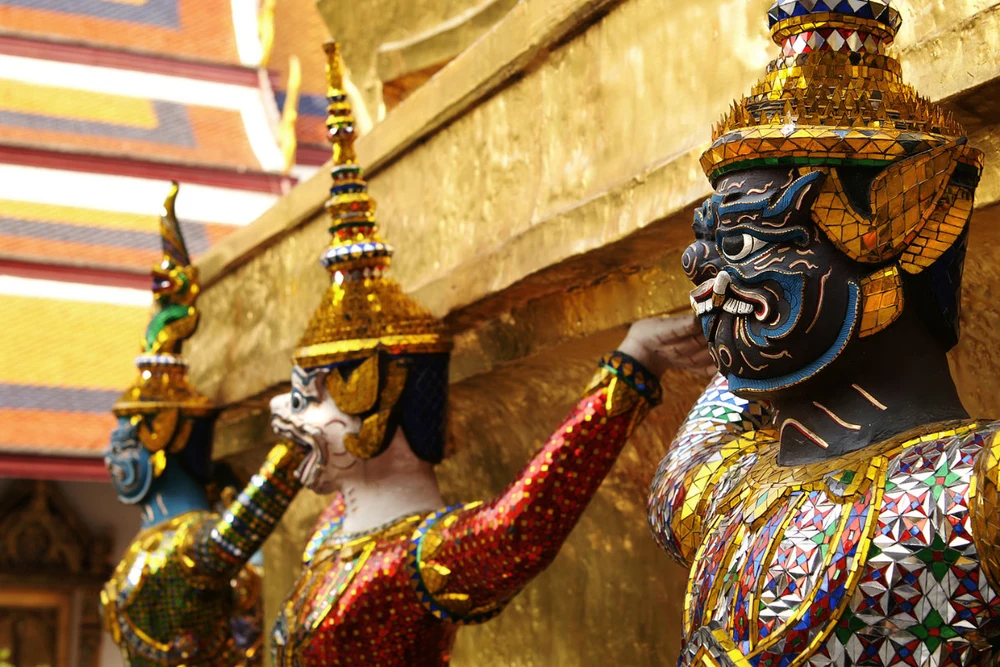
Buddha statues at Haw Phra Kaew. (Photo: Collected)
Visitors can admire an impressive collection of Khmer Buddha statues, royal artifacts, beautifully carved wooden sculptures, and numerous bronze, stone, and terracotta Buddha images.
For those interested in Lao history, religion, and fine art, Haw Phra Kaew is an essential stop in Vientiane.
5.7. Vientiane Night Market
Stretching along the scenic banks of the Mekong River, the Vientiane Night Market is one of the city’s most vibrant attractions.
Open daily from 6:00 PM to 11:00 PM at Chao Anouvong Park, the market features hundreds of neatly arranged stalls selling local street food, handcrafted souvenirs, textiles, clothing, and traditional Lao handicrafts.
More than just a shopping destination, the night market offers visitors an excellent opportunity to experience everyday Lao life, sample authentic local cuisine, and interact with the friendly residents of Vientiane.
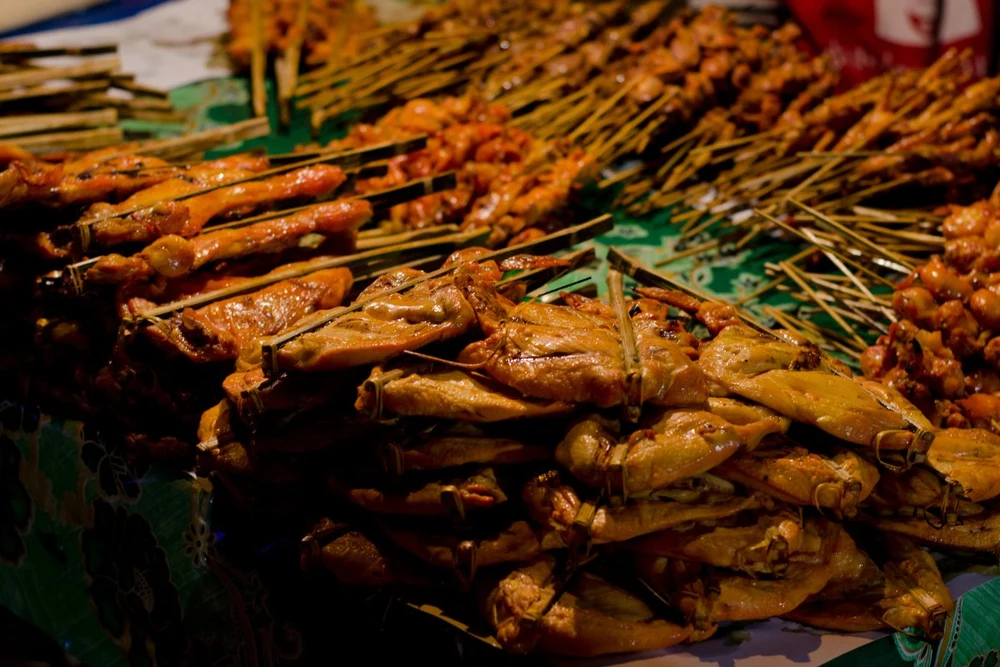
Delicious local delicacies at the Vientiane Night Market. (Photo: Collected)
Whether you’re searching for unique souvenirs or simply looking to enjoy the lively evening atmosphere, the Vientiane Night Market is the perfect place to end a day of sightseeing.
Ready to Discover the Hidden Beauty of Laos?
If you’re planning to explore the heart of Indochina—especially the enchanting country of Laos—consider joining our NORTH VIETNAM & LAOS – 13 DAYS TOUR for an unforgettable journey. Experience the timeless charm of ancient temples, majestic mountains, untouched nature, breathtaking landscapes, and the warm hospitality that makes the Lao people so welcoming. Let Focus Asia Travel help you discover the very best of Laos with a carefully designed itinerary and professional travel services.
Contact Focus Asia Travel for a FREE consultation:
Hotline: +84 793 113 879 / +84 78 2323 879 / +84 93 645 9995 / +84 93 617 9995
Email: customer@focusasiatravel.com / sales@focusasiatravel.vn
Websites: