





Sera Monastery – A Spiritual and Cultural Landmark of Tibet


Located in Lhasa, Tibet, Sera Monastery is one of the most important monasteries of Tibetan Buddhism and one of the most fascinating cultural landmarks on the Tibetan Plateau. Together with Drepung Monastery and Ganden Monastery, Sera forms one of the three great Gelug monasteries around Lhasa.
Surrounded by mountains and traditional Tibetan architecture, Sera offers visitors a chance to discover the spiritual life, history, art, and intellectual traditions of Tibetan Buddhism.
🏯 The History of Sera Monastery

Sera Monastery was founded in 1419 by Sakya Yeshe, a disciple of the renowned Tibetan Buddhist master Je Tsongkhapa.
The monastery quickly developed into an important center for Buddhist education and religious study. Over the centuries, thousands of monks studied Buddhist philosophy, scriptures, logic, and debate here.
Its long history has made Sera an important part of Tibet’s religious and cultural heritage.
Today, the monastery continues to function as an important center of Tibetan Buddhist learning and remains one of the most visited religious sites in Lhasa.
🕉️ One of the “Three Great Monasteries” of Lhasa

Sera Monastery is traditionally considered one of the Three Great Gelug Monasteries of Lhasa, together with Drepung and Ganden.
The Gelug school is one of the major traditions of Tibetan Buddhism and is strongly associated with Tsongkhapa, whose teachings emphasized Buddhist philosophy, discipline, and monastic education.
For centuries, Sera served as a place where monks could receive rigorous training in Buddhist philosophy.
The monastery therefore represents not only religious devotion but also Tibet’s long tradition of scholarship and intellectual debate.
🧠 Famous for Its Monks’ Debate

One of the most famous experiences at Sera Monastery is watching the monks participate in traditional Buddhist philosophical debates.
In the debate courtyard, monks discuss questions related to Buddhist philosophy, logic, and scripture. Their debates are highly energetic and often involve dramatic gestures, hand movements, and loud clapping.
A monk may pose a question while another attempts to respond. The gestures are not simply theatrical—they form part of a traditional method of reasoning and learning.
For visitors, this is one of the most fascinating cultural experiences in Lhasa because it provides a glimpse into how Buddhist philosophy is studied and practiced.
🎨 Discover Tibetan Buddhist Art and Architecture

Inside Sera Monastery, visitors can discover traditional Tibetan Buddhist art, including murals, thangka paintings, statues, scriptures, and religious artifacts.
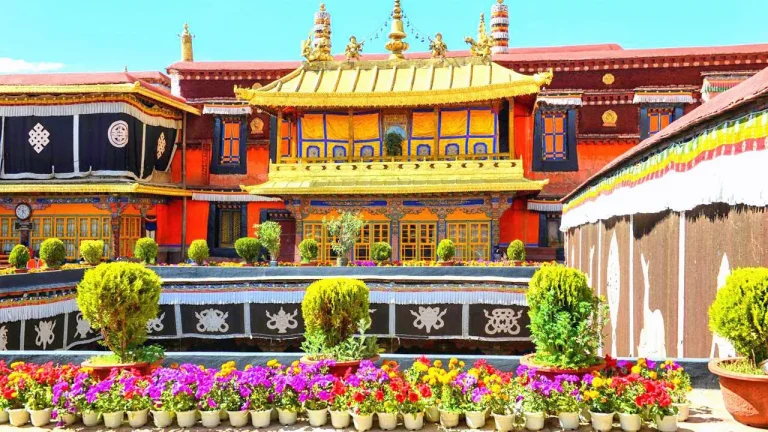
The architecture features many characteristic elements of Tibetan monasteries, such as whitewashed walls, golden roofs, colorful decorative details, prayer halls, and courtyards.
The combination of vivid colors, intricate religious artwork, and peaceful surroundings creates a unique atmosphere that reflects the depth of Tibetan Buddhist culture.
🏔️ A Peaceful Setting Surrounded by Mountains

Sera Monastery is located on the northern edge of Lhasa, at an altitude of roughly 3,650 meters above sea level.
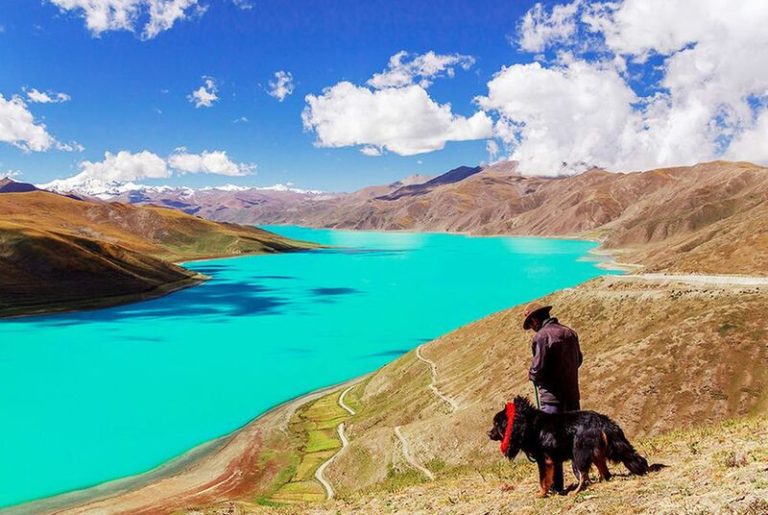
The surrounding mountains provide a dramatic natural backdrop for the monastery. From higher points within the complex, visitors can enjoy panoramic views across Lhasa and the surrounding Tibetan landscape.
The high-altitude environment also contributes to the unique feeling of visiting Sera. The clear skies, strong sunlight, mountain air, and traditional architecture create an atmosphere unlike almost anywhere else.
🕯️ Experience the Spiritual Atmosphere

Walking through Sera Monastery allows visitors to experience the quieter side of Tibetan culture.
You may see monks walking between prayer halls, hear the sound of Buddhist chanting, observe devotees offering prayers, or notice the fragrance of incense filling the air.
The experience is particularly meaningful for travelers interested in spirituality, history, religion, and cultural exploration.
Visitors should remember that Sera is an active religious site, so respectful clothing and behavior are important.
📸 A Fascinating Destination for Photography

Sera Monastery offers countless opportunities for beautiful photographs.
The contrast between the monastery’s white walls, colorful details, golden roofs, blue Tibetan sky, and surrounding mountains creates an unforgettable visual experience.
The monks’ debate courtyard is particularly interesting for photography, capturing the movement and energy of Tibetan Buddhist traditions.
For the best experience, visitors should always respect restrictions regarding photography inside certain religious areas.
🌄 Sera Monastery and the Lhasa Experience
A visit to Sera Monastery is often combined with other major attractions in Lhasa, such as Potala Palace, Jokhang Temple, and Barkhor Street.
Together, these destinations provide a deeper understanding of Lhasa as the spiritual and cultural heart of Tibet.
While the Potala Palace impresses visitors with its monumental architecture, Sera offers something more intimate—the opportunity to observe living Buddhist traditions and monastic life.
✨ Why Should You Visit Sera Monastery?
Sera Monastery is more than an ancient building. It is a place where religion, philosophy, art, history, and everyday monastic life continue to come together.
The highlight for many travelers is undoubtedly the famous monk debates, but the monastery’s peaceful courtyards, colorful Buddhist art, traditional architecture, and spectacular mountain surroundings are equally memorable.
For anyone traveling to Tibet, Sera Monastery offers a meaningful opportunity to look beyond the scenery and discover the spiritual soul of the Tibetan Plateau.
🏔️ Sera Monastery – Where Tibetan spirituality meets centuries-old wisdom.
Explore ancient Buddhist traditions, witness the famous monk debates, admire Tibetan art, and experience the peaceful atmosphere of one of Lhasa’s greatest monasteries. 🕉️✨