



Asia-Pacific Tourism Recovery: Vietnam and South Korea

Vietnam and South Korea Lead Asia-Pacific Tourism Recovery as Regional Growth Remains Uneven
The Asia-Pacific tourism recovery is gaining momentum, with Vietnam and South Korea emerging as two of the region’s strongest performers. Both destinations have recorded significant growth in international visitor arrivals and surpassed their pre-pandemic tourism levels, according to the Pacific Asia Travel Association (PATA).
However, the recovery is not happening at the same pace across the region. While some destinations are attracting more international travelers, others are still facing challenges in restoring visitor numbers.
Asia-Pacific Tourism Recovery Shows Strong Growth in Vietnam and South Korea
According to PATA’s Annual Tourism Monitor, released on October 22, 2026, international visitor arrivals in Vietnam increased by 14.9% year-on-year, while South Korea recorded an even stronger growth rate of 21.4% in the early months of 2026.
These results highlight the growing appeal of both destinations among international travelers. Their tourism industries have not only recovered from the impact of the pandemic but have also moved beyond their previous visitor arrival levels.
Vietnam recorded a 44.5% increase in international visitor arrivals compared with the corresponding period in 2019. South Korea also performed strongly, with arrivals reaching 28.4% above its pre-pandemic level.
The figures demonstrate the strong position of Vietnam and South Korea in the regional tourism market.
Vietnam Tourism Welcomes 19.5 Million International Visitors
Vietnam continues to strengthen its position as an attractive destination in Southeast Asia. According to the National Statistics Office, the country welcomed approximately 19.5 million international visitors in the first ten months of 2026.

This growth reflects increasing international interest in Vietnam’s diverse tourism experiences, including cultural heritage, natural landscapes, local cuisine and coastal destinations.
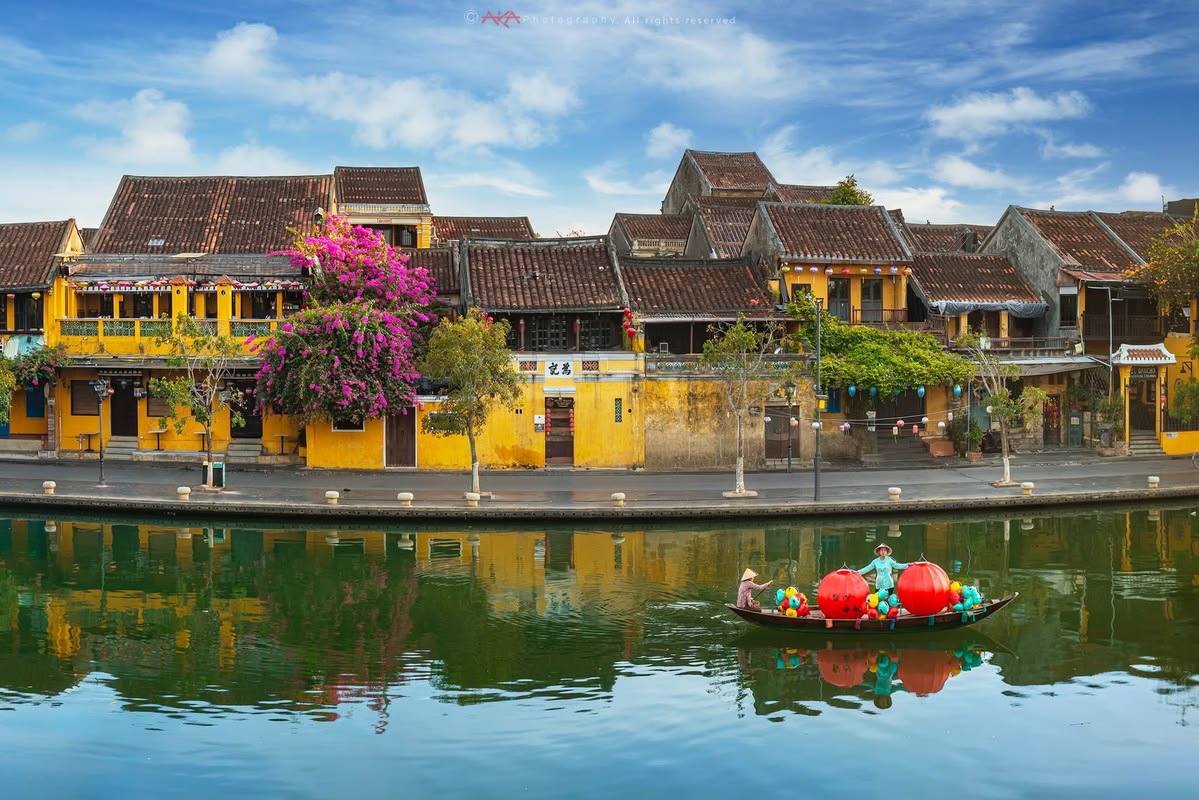
From the vibrant streets of Hanoi to the beautiful beaches of Da Nang and the cultural charm of Hoi An, Vietnam offers a wide range of experiences for different types of travelers.
The country’s tourism development also benefits from stronger international promotion and improved travel connectivity. These factors help Vietnam attract visitors from various international markets and support its long-term tourism growth.
South Korea Tourism Reaches a New International Visitor Record
South Korea is also experiencing impressive growth in international tourism. According to its tourism ministry, the country had already surpassed its previous full-year record of 18.94 million international visitors by October 27, 2026.

The growing popularity of Korean culture, entertainment, shopping and food continues to support the country’s appeal among international tourists.
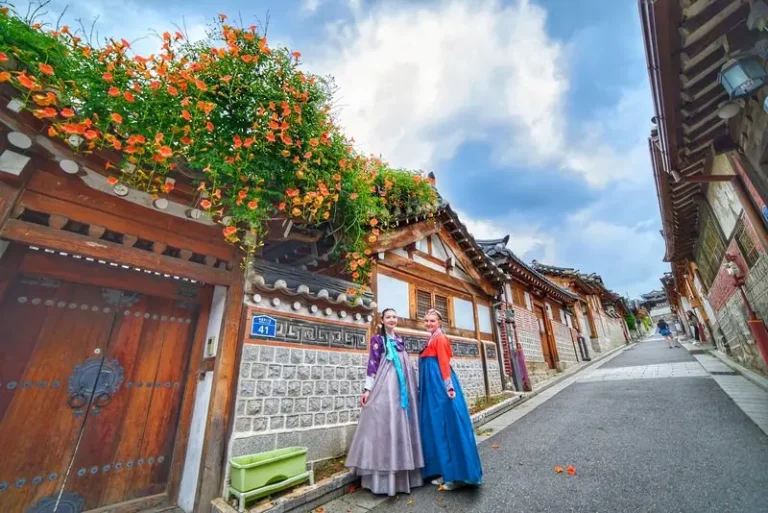
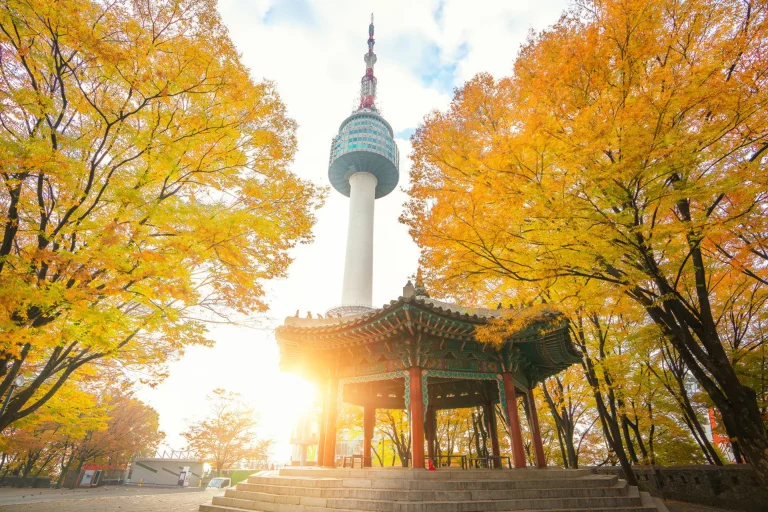
Travelers can explore popular destinations such as Seoul, Busan and Jeju Island, each offering different cultural and leisure experiences.
The country’s strong tourism performance also highlights the importance of combining cultural attractions with modern travel services to attract visitors from around the world.
Asia-Pacific Tourism Recovery Remains Uneven Across Destinations
Despite the positive results in Vietnam and South Korea, tourism recovery across Asia-Pacific remains uneven.
PATA reported that the 44 destinations covered by its tourism monitor welcomed approximately 239 million international visitors, representing a 2.9% increase year-on-year. However, this figure was still 3.7% below the corresponding level in 2019.
Some destinations continue to face difficulties in attracting international travelers. Thailand, for example, recorded a 4.9% year-on-year decline in international visitor arrivals.
These differences show that tourism recovery depends on several factors, including international travel demand, air connectivity, destination promotion and the ability to adapt to changing traveler preferences.
The Future of Asia-Pacific Tourism Recovery
According to PATA, the next stage of tourism development should focus on more than simply increasing international visitor numbers.
Destinations need to attract travelers from a wider range of source markets, encourage longer stays and promote tourism activities beyond major attractions and peak travel seasons.

Developing new travel experiences, improving tourism services and strengthening international cooperation will also be important for maintaining sustainable growth.
For Vietnam, these opportunities could support the development of cultural tours, nature-based experiences, beach holidays and community-based tourism.
South Korea can continue building on its popularity through cultural tourism, entertainment and regional travel experiences.
Vietnam and South Korea Strengthen Their Position in Asian Tourism
The strong performance of Vietnam and South Korea highlights the positive direction of the Asia-Pacific tourism market. Both destinations have demonstrated their ability to attract international visitors and exceed pre-pandemic arrival levels.
Although challenges remain across the region, continued investment in tourism promotion, connectivity and visitor experiences could create new opportunities for future growth.
As international travel demand continues to evolve, Vietnam and South Korea are well positioned to remain important destinations for travelers exploring Asia.