



Vietnamese Tourists Still Favor Japan Tours Amid Rising Costs

Do Vietnamese Tourists Still Favor Japan Tours Amid Rising Costs and Competition?
Japan remains an attractive destination for Vietnamese travelers thanks to its four-season scenery, distinctive culture and diverse cuisine. However, rising travel costs and growing competition from other destinations are bringing notable changes to the Japan tour market.
Japan Tourism: A Popular Destination in a Changing Market
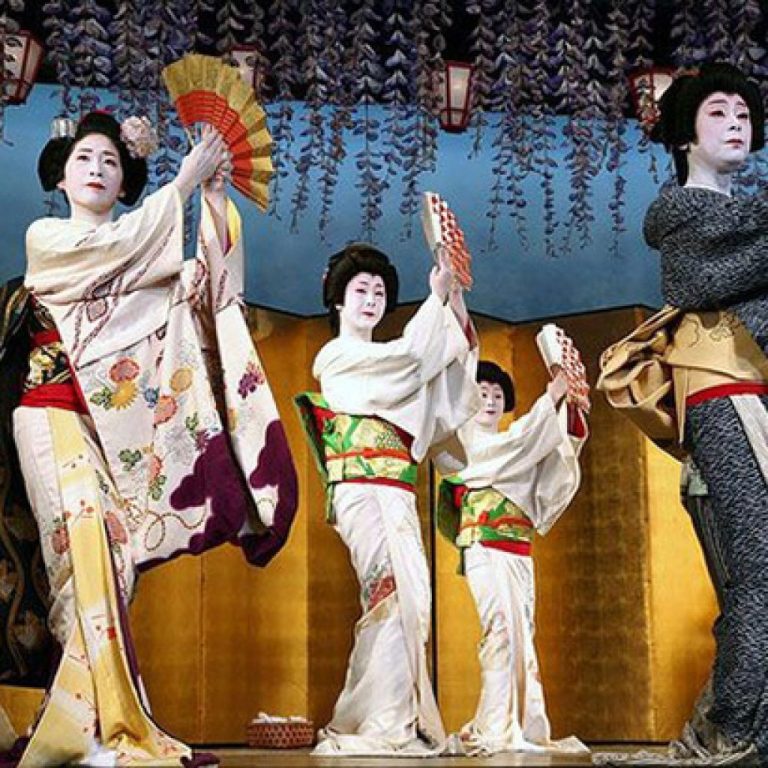
Japan has long been one of the international destinations favored by Vietnamese travelers. Its combination of natural landscapes, traditional culture, distinctive cuisine and convenient transportation continues to attract visitors throughout the year.
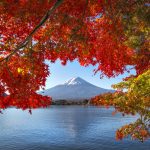
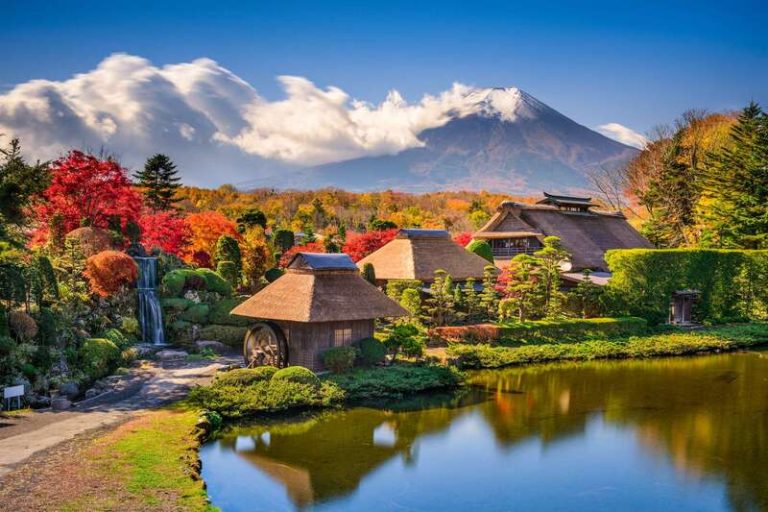
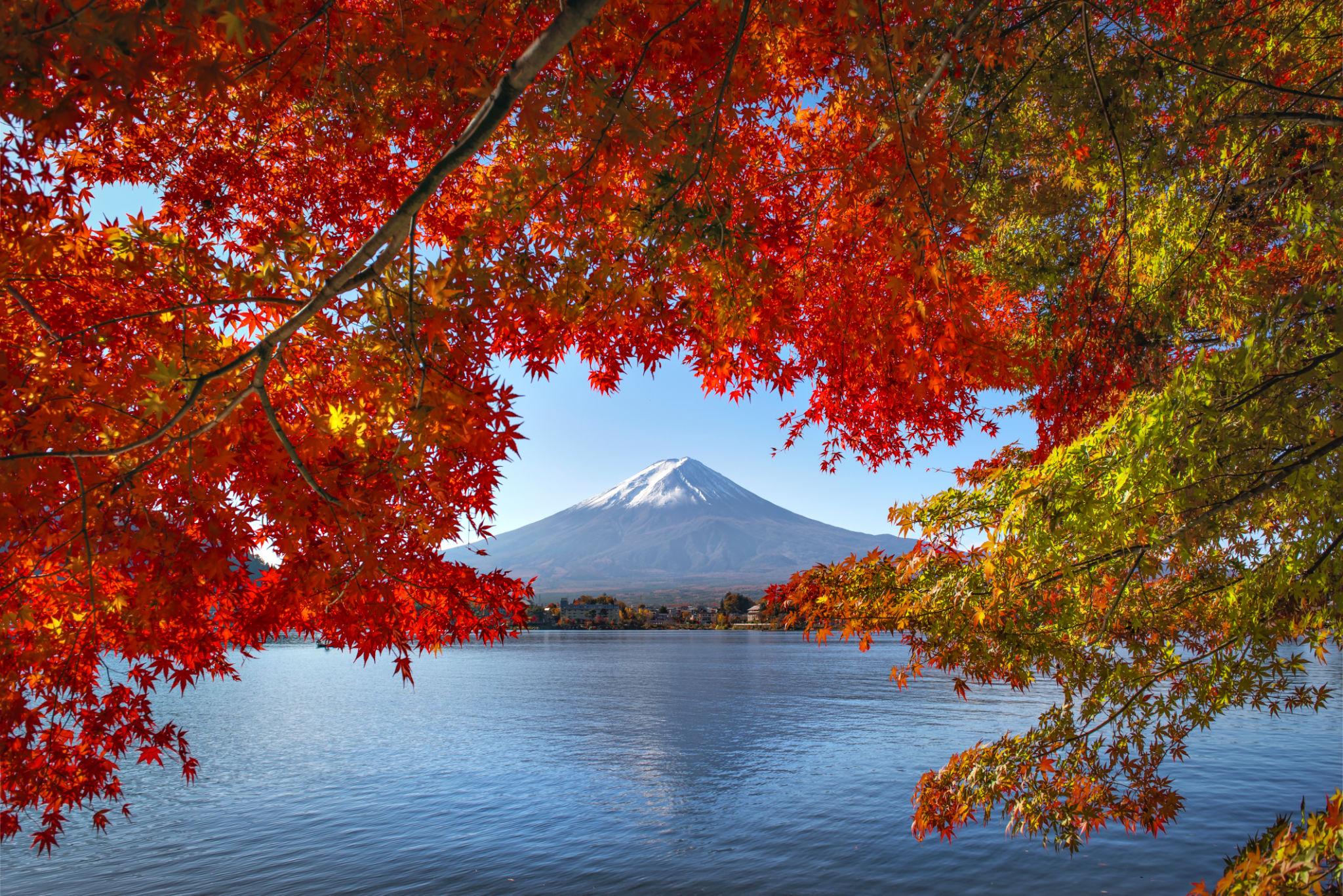
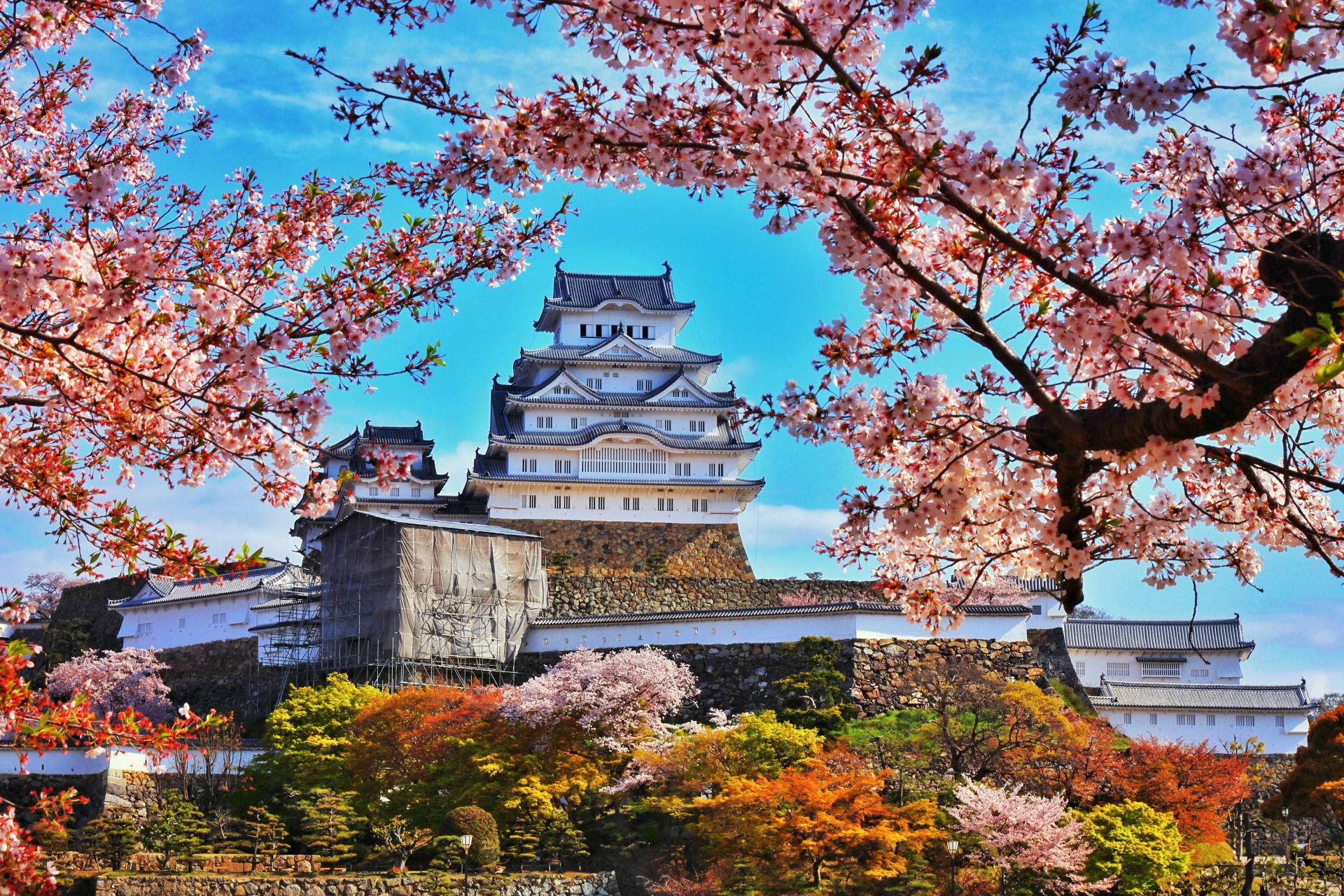
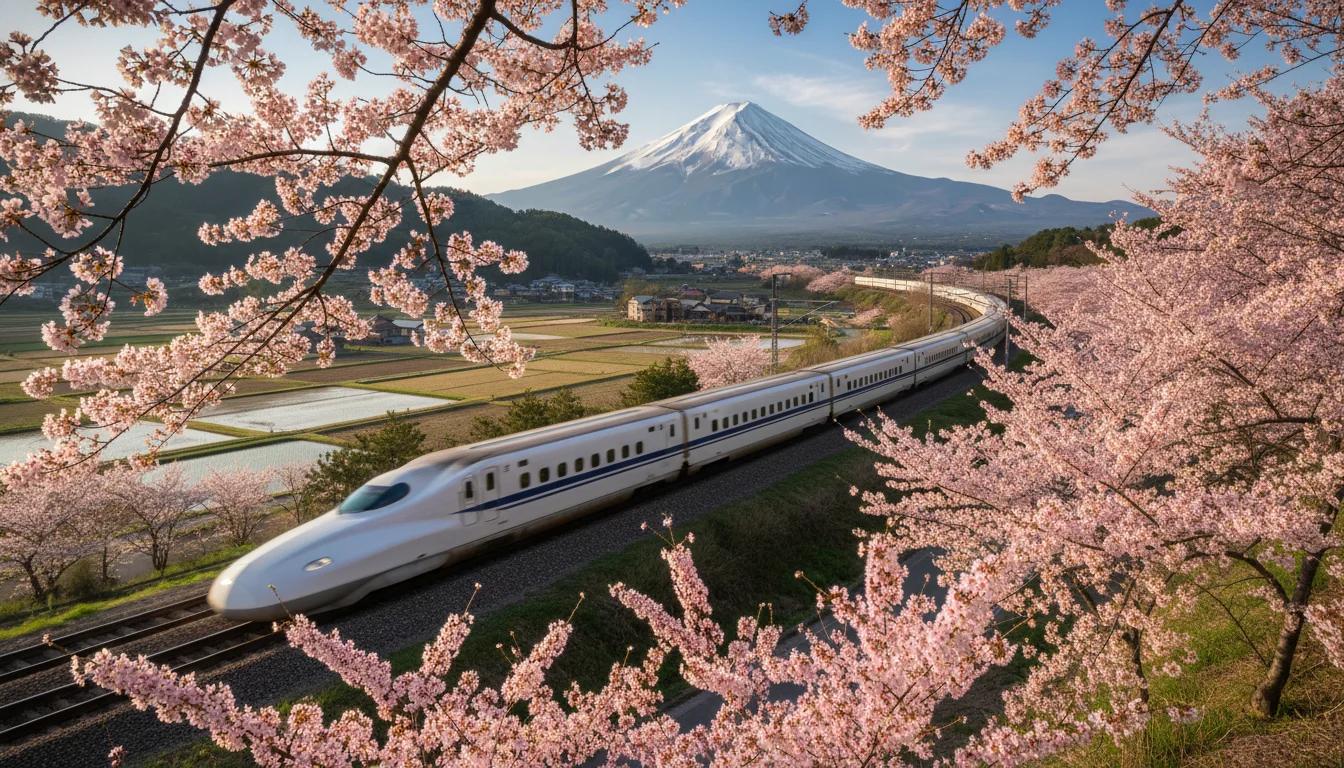
Cherry blossom season in spring and autumn foliage remain two of the most popular travel periods. Meanwhile, snow viewing, hot spring experiences, visits to traditional villages and local cuisine are expanding the range of experiences available to travelers interested in Japan.
However, the Japan tour market is facing new challenges. Higher visa fees, airfares and travel service costs are prompting more customers to carefully consider their budgets before booking a tour.
According to figures released by the Japan National Tourism Organization (JNTO), Japan welcomed approximately 551,100 Vietnamese visitors in the first nine months of 2026, up 4% year-on-year. Nevertheless, arrivals from Vietnam have declined in several consecutive months, indicating that Japan’s appeal is being affected by multiple factors.
Japan Tours
Rising Travel Costs Affect Tour Purchasing Decisions
One notable factor is Japan’s adjustment of visa fees, effective July 1, 2026. According to the original report, the single-entry visa fee increased from 3,000 yen to 15,000 yen, equivalent to approximately VND 490,000 and VND 2.5 million, respectively.
Combined with higher airfares and travel service costs, Japan tour prices have reportedly increased by around 10–15%, according to travel companies.
This creates significant pressure on group travelers, particularly corporate groups operating with fixed travel budgets. When costs exceed expectations, many organizations are more likely to consider alternative destinations offering better value for money.
Competition from markets such as mainland China, South Korea and Taiwan is also becoming more evident. These destinations offer comparable autumn scenery, convenient travel times and competitive prices. According to surveys mentioned in the original report, some tour packages are approximately 50–70% cheaper than Japan tours.
Nevertheless, Japan retains its competitive advantages in service quality, cultural experiences and the diversity of its tourism products.
Vietnamese Travelers Are Increasingly Interested in Experiences
The preferences of Vietnamese travelers are gradually changing. Instead of focusing exclusively on cherry blossom season, autumn foliage or the Lunar New Year holiday, demand for Japan travel is expanding into summer and winter.
According to travel companies cited in the original report, tour operators continue to organize regular departures to Japan each month. This suggests that market demand has not disappeared but is shifting in terms of travel periods and types of experiences.
Destinations such as Hokkaido, Nagoya, Shizuoka and northern Japan are attracting considerable interest. Travelers are no longer interested only in visiting famous cities but are also seeking experiences that reflect local culture and traditions.
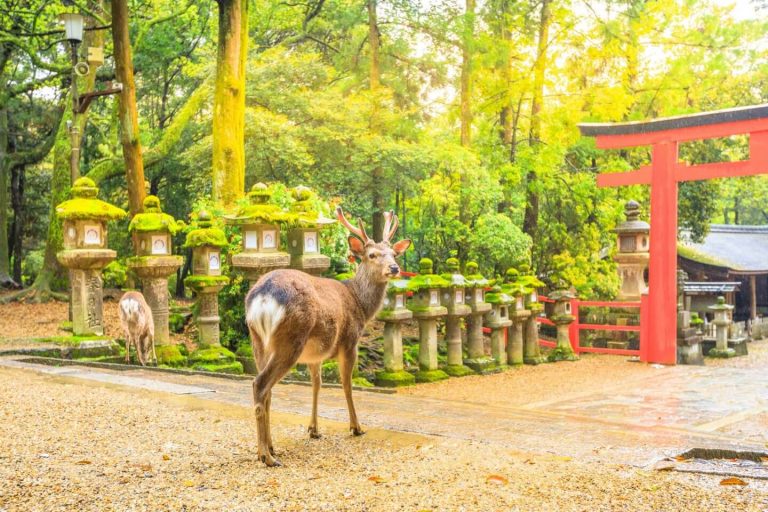
Activities such as staying at a ryokan, a traditional Japanese inn, bathing in onsen hot springs, exploring historic villages, sampling regional cuisine and attending local festivals are gaining attention.
In particular, experienced Japan travelers and higher-spending visitors tend to favor customized itineraries, quality services and distinctive experiences.
Japan Tours
Japan Expands Its Appeal Beyond Traditional Destinations
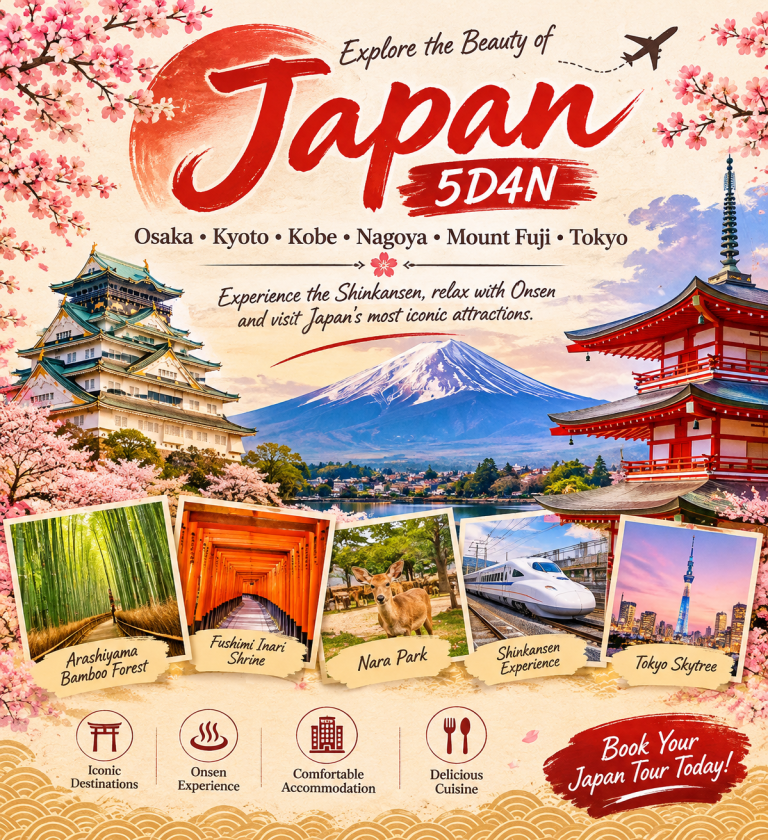
Alongside familiar cities such as Tokyo, Osaka and Kyoto, emerging destinations are receiving greater attention.
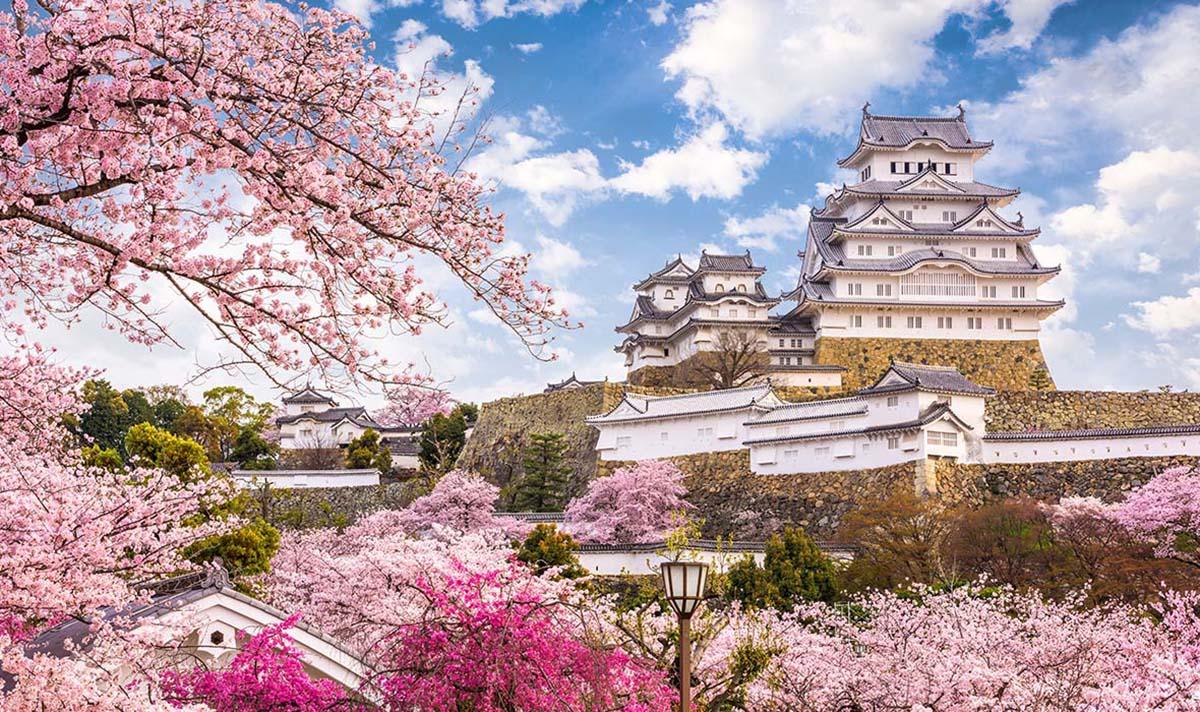
According to Expedia’s Unpack ’27 travel trend report, Hyogo recorded a 95% increase in flight and accommodation searches compared with the previous period. Its key attractions include Himeji Castle, Arima Onsen hot springs and Kobe beef.
Growing interest in destinations beyond traditional travel routes suggests that visitors are seeking more diverse itineraries rather than focusing exclusively on major cities.
Traveloka data released on November 6, 2026, also showed that flight bookings by Vietnamese travelers to Sapporo and Fukuoka increased by approximately 70% in the third quarter of 2026 compared with the same period a year earlier.
This is an encouraging sign for emerging destinations in Japan and creates opportunities for travel companies to develop new products that meet Vietnamese travelers’ growing interest in exploration.
Japan Tours
Air Connectivity and Tourism Cooperation Create New Opportunities
Expanding air routes and strengthening connectivity between Vietnam and Japan are expected to support two-way tourism.
According to information published in the original report, Vietnam Airlines plans to increase the frequency of its Hanoi–Osaka route toward the end of 2026. Vietjet Air also plans to operate the Da Nang–Kansai route.
Meanwhile, stronger cooperation between local authorities, businesses and tourism organizations in both countries is considered an important factor in developing new tourism products.
The Vietnam–Japan Tourism Cooperation Year 2027–2028 is expected to help promote the image, culture and tourism potential of both countries while encouraging people-to-people exchanges and two-way tourist flows.
Japanese Ambassador to Vietnam Ito Naoki stated that the two countries are aiming to welcome one million visitors in each direction, equivalent to two million tourist exchanges between Vietnam and Japan.
Japan Tours
The Outlook for Japan Tours
Despite rising costs and increasing competition among destinations, Japan retains significant advantages that can help sustain its appeal to Vietnamese travelers.
The market is shifting from seasonal travel toward more diverse itineraries, ranging from cultural and culinary exploration to nature-based experiences and relaxation. This also creates opportunities for travel companies to develop products tailored to different customer segments.
Rather than focusing exclusively on traditional tour routes, expanding destination choices, optimizing itineraries and improving service quality can help companies create greater value and differentiation.
For Vietnamese travelers, Japan remains a destination worth considering for discovering a distinctive culture, enjoying four-season scenery and experiencing the unique character of the Land of the Rising Sun.