





Luang Prabang Travel Guide: Everything You Need to Know (Part 2)

5.Top Attractions & Must-Try Experiences (Continue)
5.3. Experience the Tak Bat Alms Giving Ceremony
One of Luang Prabang’s most iconic cultural traditions is the Tak Bat Alms Giving Ceremony, a centuries-old Buddhist ritual held every morning at dawn, usually between 5:30 and 6:30 a.m.
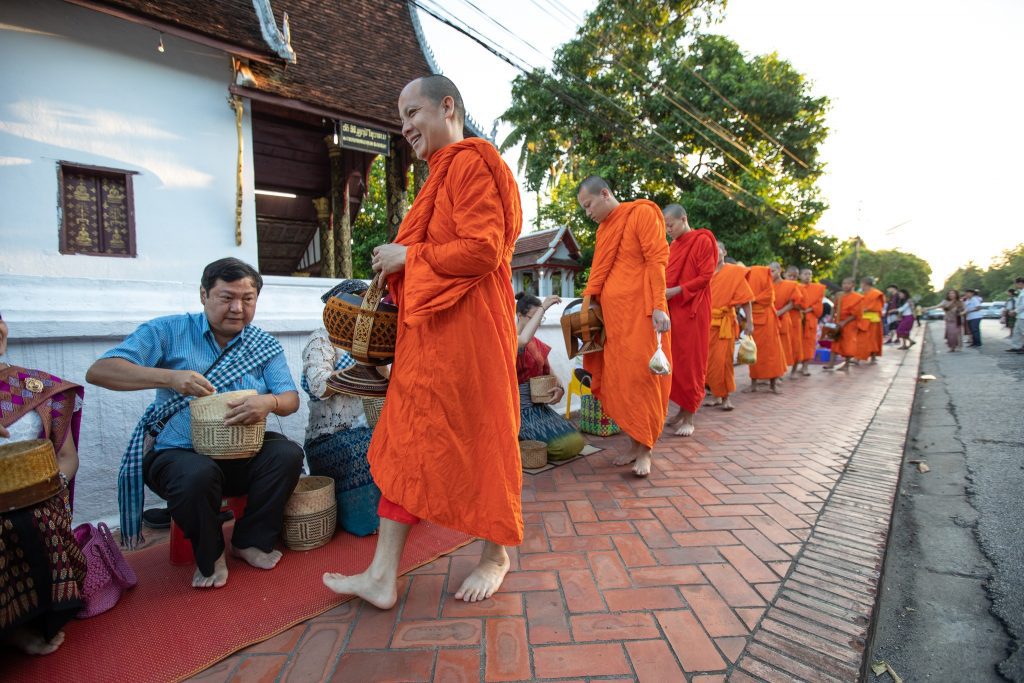
Tak Bat Alms Giving Ceremony (Photo: Collected)
As the first rays of sunlight appear, hundreds of monks dressed in saffron robes walk barefoot through the quiet streets to receive alms from local residents. People kneel respectfully along the roadside, offering sticky rice, fresh fruit, and other food as part of their daily act of merit-making.
Visitors are welcome to observe this sacred tradition, but it is important to do so respectfully. Remain quiet, keep a reasonable distance, avoid using flash photography, and dress modestly to help preserve the spiritual atmosphere of this meaningful ceremony.
5.4. Cruise Along the Mekong River
A Mekong River cruise is one of the most relaxing and memorable experiences in Luang Prabang. As you glide along one of Southeast Asia’s most legendary rivers, you’ll be treated to stunning mountain scenery, peaceful riverside villages, and breathtaking landscapes.
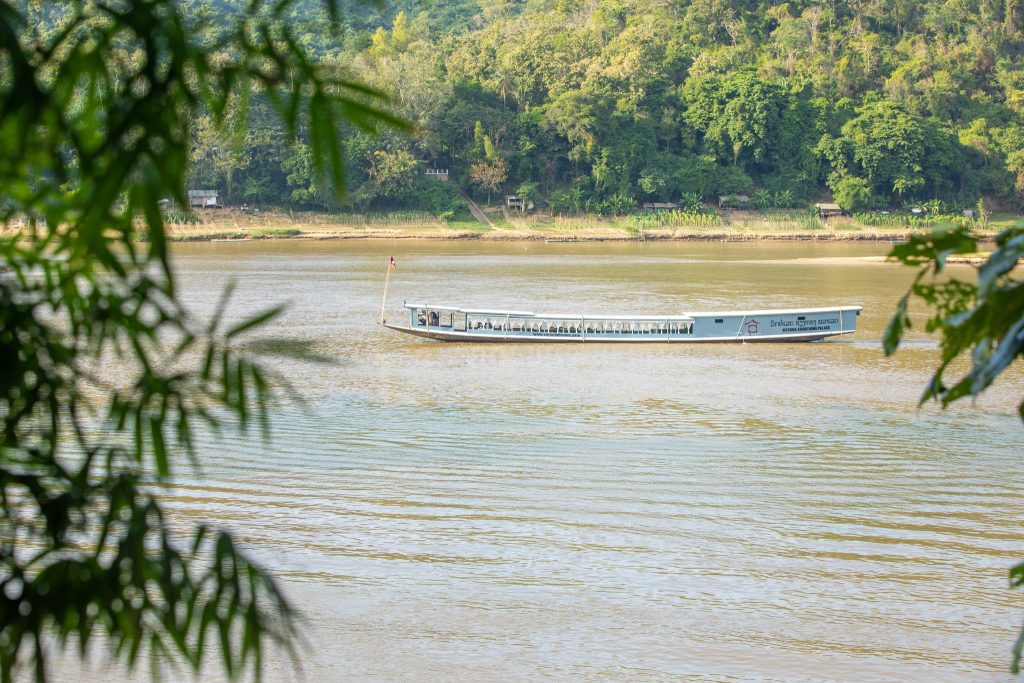
Mekong River Cruise (Photo: Collected)
Many cruises include a visit to the famous Pak Ou Caves, home to thousands of Buddha statues collected over centuries. Sunset cruises are equally popular, offering spectacular views as the golden light reflects across the Mekong and paints the surrounding mountains in warm hues.
5.5. Visit Kuang Si Waterfall
Located about 30 kilometers southwest of Luang Prabang, Kuang Si Waterfall is widely regarded as one of the most beautiful waterfalls in Laos.
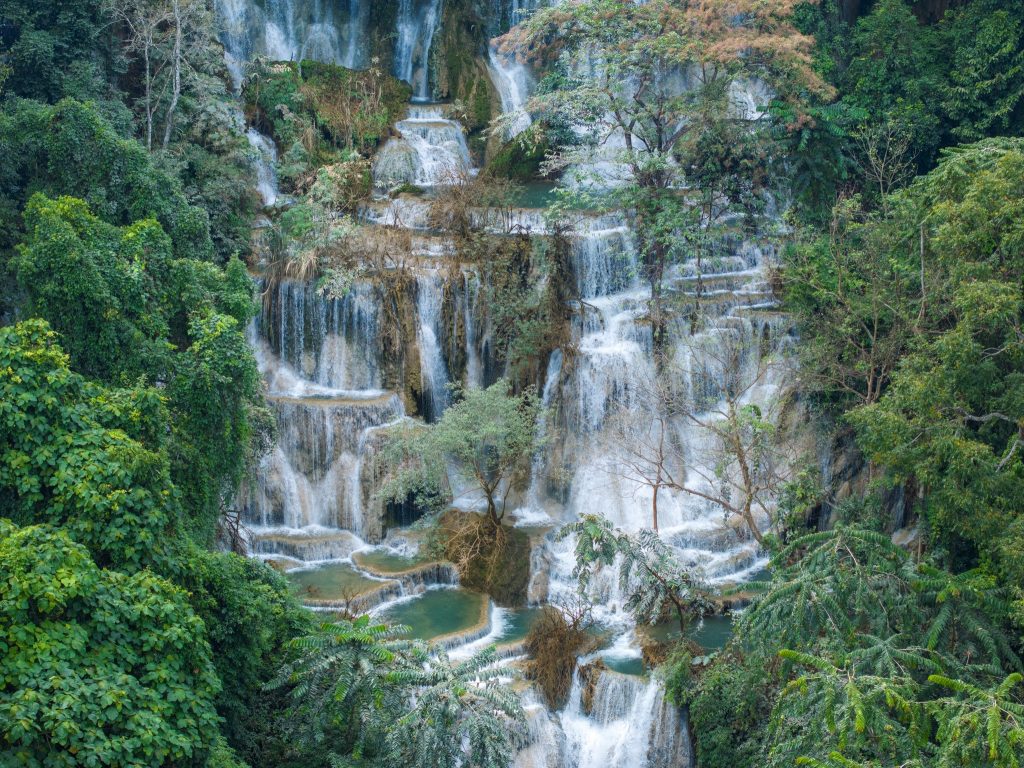
Picturesque Kuang Si Waterfall (Photo: Collected)
The waterfall cascades over multiple limestone tiers into a series of crystal-clear turquoise pools, creating a picture-perfect setting surrounded by lush tropical forest. Visitors can relax by the water, swim in designated pools, or walk along forest trails to enjoy the peaceful natural surroundings.
Nearby is the Tat Kuang Si Bear Rescue Centre, where rescued Asiatic black bears are cared for after being saved from illegal wildlife trafficking. Combining spectacular scenery with wildlife conservation, Kuang Si Waterfall is an unforgettable destination for nature lovers.
5.6. Explore the Pak Ou Caves
Situated at the confluence of the Mekong River and the Nam Ou River, the Pak Ou Caves lie approximately 25 kilometers from Luang Prabang.
The journey itself is part of the experience, with a scenic boat ride passing dramatic limestone cliffs, dense forests, and traditional riverside villages.
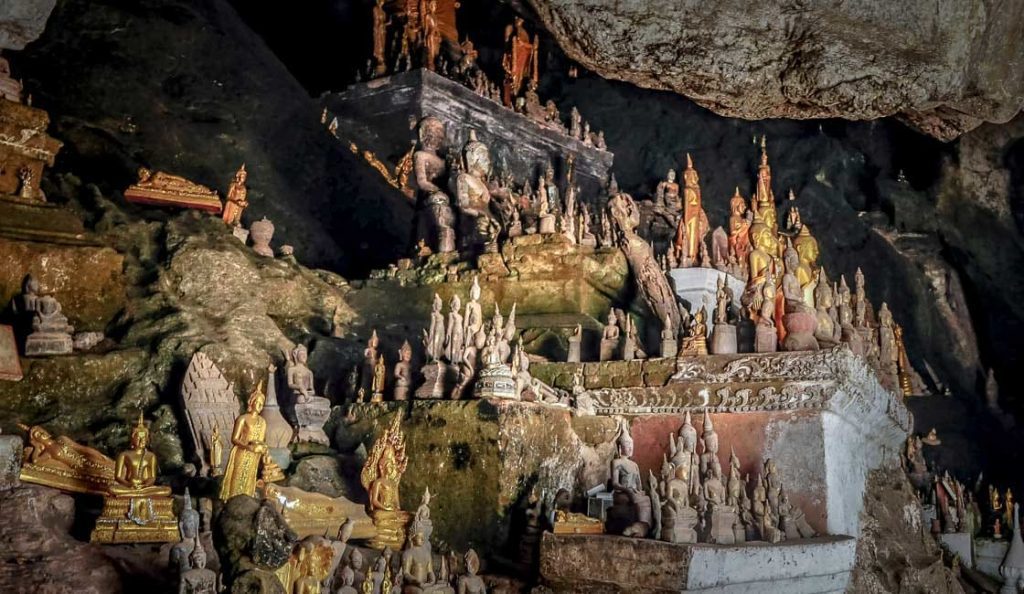
Pak Ou Caves (Photo: Collected)
The cave complex consists of two main caves—Tham Ting (Lower Cave) and Tham Theung (Upper Cave)—which together house thousands of Buddha images of various sizes and styles. For centuries, local devotees have placed these statues inside the caves as offerings, making Pak Ou one of Laos’ most important Buddhist pilgrimage sites.
5.7. Shop at the Luang Prabang Night Market
Every evening from around 5:00 p.m., Luang Prabang Night Market transforms Sisavangvong Road into a lively shopping and dining destination.
Visitors can browse colorful stalls selling handmade textiles, traditional Lao handicrafts, silver jewelry, wood carvings, bamboo products, and unique souvenirs crafted by local artisans.
The market is equally famous for its street food. From grilled meats and Lao noodle dishes to tropical fruit smoothies, desserts, and affordable buffet-style meals, it’s the perfect place to experience the city’s vibrant culinary scene.
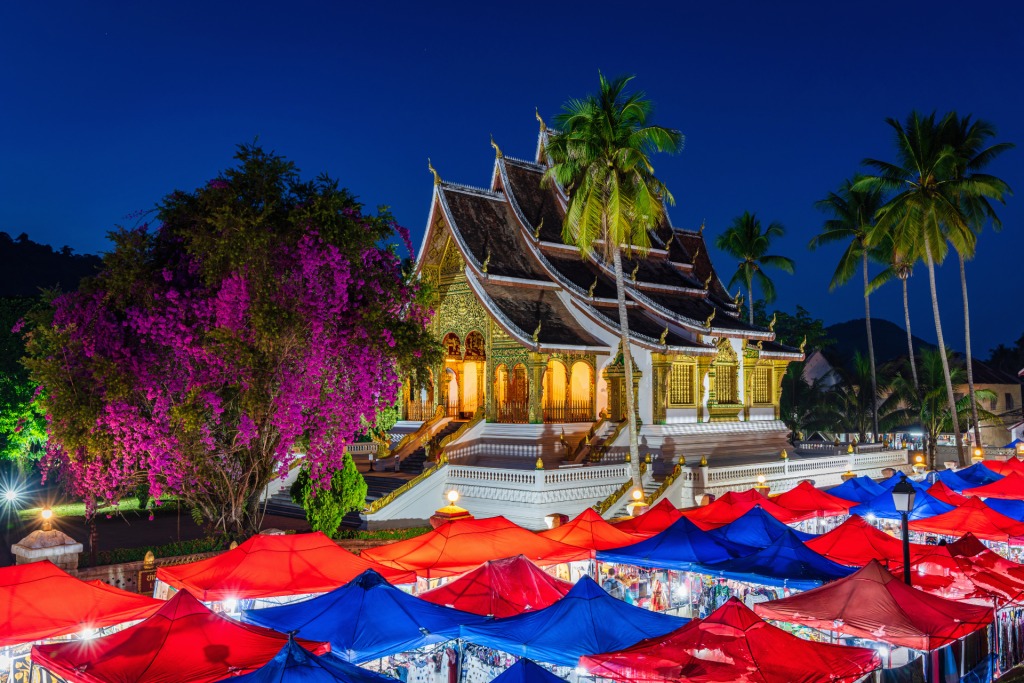
Bustling Luang Prabang Night Market (Photo: Collected)
5.8. Climb Mount Phousi
No visit to Luang Prabang is complete without climbing Mount Phousi, the hill that rises in the heart of the old town.
After ascending approximately 300 steps, visitors are rewarded with breathtaking panoramic views over Luang Prabang, where the Mekong River and Nam Khan River gracefully surround the city. From the summit, golden temple roofs, colonial-era buildings, and lush green hills create a spectacular landscape.
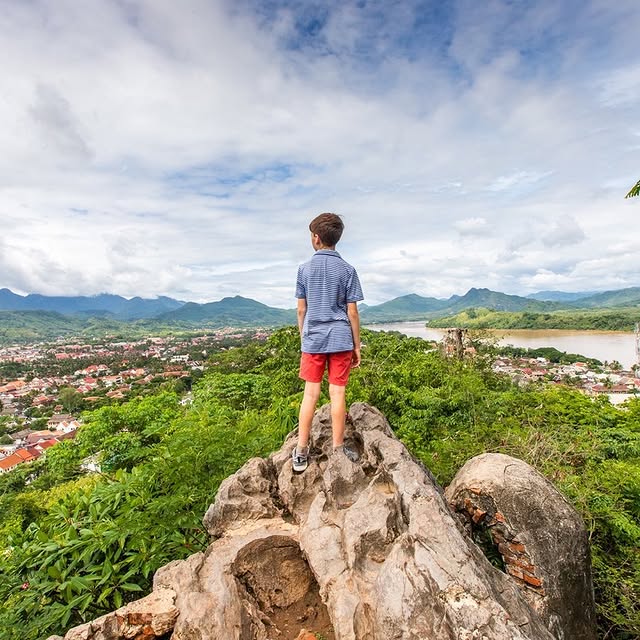
At the Summit of Mount Phousi (Photo: Collected)
The best time to visit is just before sunset, when the sky turns brilliant shades of orange and gold, offering one of the most photographed views in all of Laos.
5.9. Wander Through the Old Town and Riverside Cafés
One of the greatest pleasures in Luang Prabang is simply wandering through its charming UNESCO-listed Old Town.
Tree-lined streets, beautifully preserved French colonial buildings, ancient Buddhist temples, and traditional Lao wooden houses create a peaceful atmosphere that invites slow exploration.
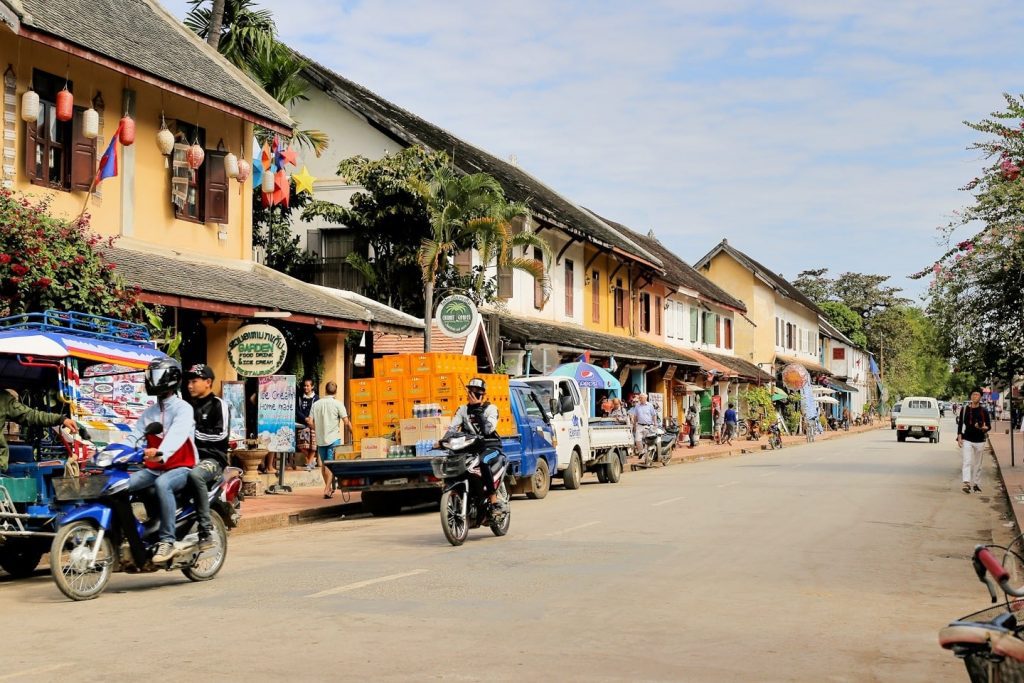
Strolling Through the Old Town (Photo: Collected)
Along the banks of the Mekong River, you’ll find numerous cafés serving freshly brewed Lao coffee, homemade pastries, and local specialties. It’s the perfect place to relax, watch boats drift by, and experience the city’s unhurried pace of life.
5.10. Discover Traditional Lao Weaving at Ock Pop Tok
For those interested in local arts and culture, Ock Pop Tok Living Crafts Centre offers an excellent introduction to the centuries-old tradition of Lao silk weaving.
Visitors can learn every step of the production process—from raising silkworms and spinning silk threads to creating natural dyes from plants and weaving intricate textiles using traditional techniques. Many of the patterns carry symbolic and spiritual meanings that have been passed down through generations.
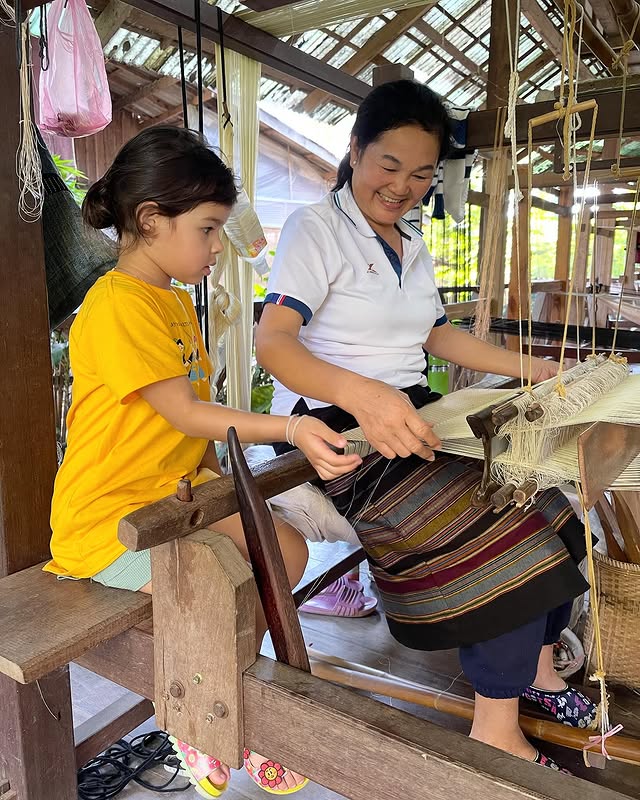
Traditional Lao Weaving (Photo: Collected)
The center also offers hands-on workshops where visitors can try weaving themselves, as well as a boutique featuring beautifully handcrafted scarves, clothing, home décor, and authentic Lao souvenirs.
6. Cuisine of Luang Prabang
Exploring the local cuisine is an essential part of any trip to Luang Prabang. The city’s food culture reflects a unique blend of traditional Lao flavors and French colonial influences, resulting in a culinary scene that is both distinctive and memorable.
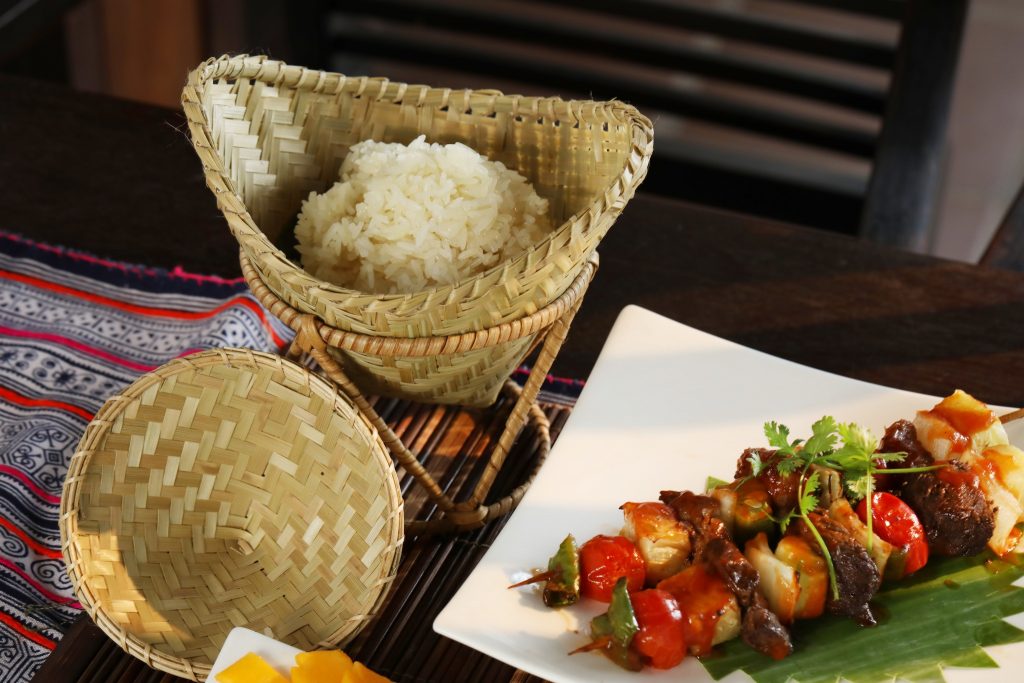
Sticky Rice – The Staple of Every Lao Meal (Photo: Collected)
At the heart of every traditional Lao meal is sticky rice (khao niao), the country’s staple food. It is commonly served with a variety of savory dishes and flavorful dipping sauces known as jeow.
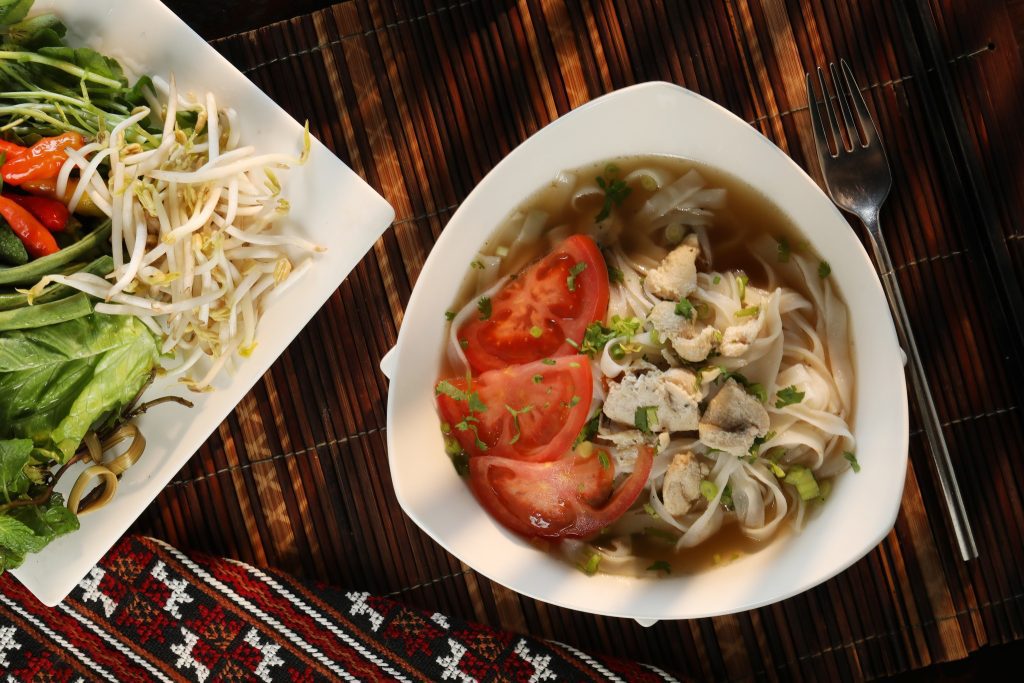
Lao Pho (Photo: Collected)
One of the city’s signature specialties is Larb, a traditional Lao minced meat salad prepared with fresh herbs, shallots, chili, lime juice, and aromatic spices. Another must-try dish is Or Lam, a hearty Luang Prabang-style stew made with vegetables, herbs, mushrooms, meat, and the distinctive spicy flavor of sakhan pepper vine, creating a rich and uniquely local taste.
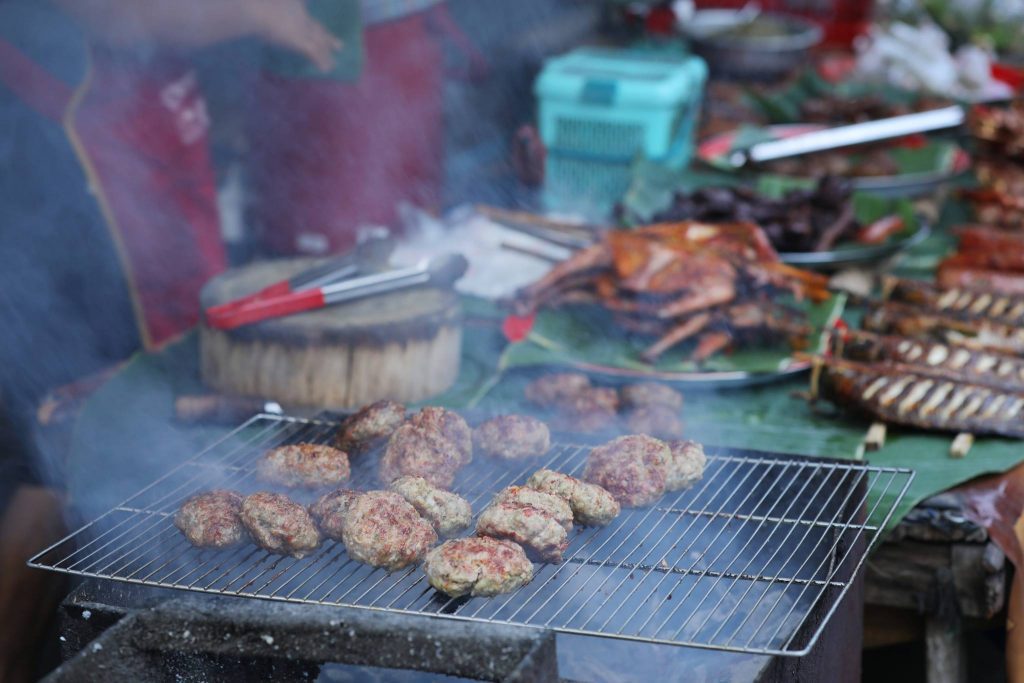
A Variety of Grilled Specialties (Photo: Collected)
French influence is evident throughout the city, where visitors can easily find freshly baked baguettes, artisan pastries, and rich Lao coffee served in charming cafés scattered throughout the Old Town.
For an authentic local dining experience, head to the Luang Prabang Night Market, where you’ll find affordable buffet-style meals alongside an impressive selection of grilled meats, stir-fried dishes, seasonal vegetables, tropical fruits, and freshly prepared desserts. The abundance of fresh ingredients, traditional cooking methods, and bold yet balanced flavors makes Luang Prabang one of Laos’ top culinary destinations.
7. Useful Travel Tips for Visiting Luang Prabang
To make the most of your visit, keep the following travel tips in mind before and during your stay.
7.1. Entry Requirements
Vietnamese passport holders can enter Laos visa-free for up to 30 days. However, immigration policies may change over time, so it’s always advisable to check the latest entry requirements before departure.
Be sure to carry important travel documents, including your passport, national ID card (if applicable), travel insurance, and an International Driving Permit (IDP) or a valid motorcycle license if you plan to rent a scooter.
7.2. Currency and Payments
The official currency of Laos is the Lao Kip (LAK).
While Lao Kip is used for most daily transactions, US dollars (USD) and Thai Baht (THB) are also accepted at many hotels, tour operators, and larger businesses. Nevertheless, carrying some Lao Kip is recommended, especially when shopping at local markets or dining at small restaurants.
ATMs are widely available in Luang Prabang, although cash remains the preferred payment method in many places
7.3. Temple Etiquette and Cultural Respect
As Luang Prabang is one of the most important Buddhist cities in Laos, visitors should dress respectfully when entering temples and other religious sites.
Wear clothing that covers your shoulders and knees, and remove your shoes before entering temple buildings.
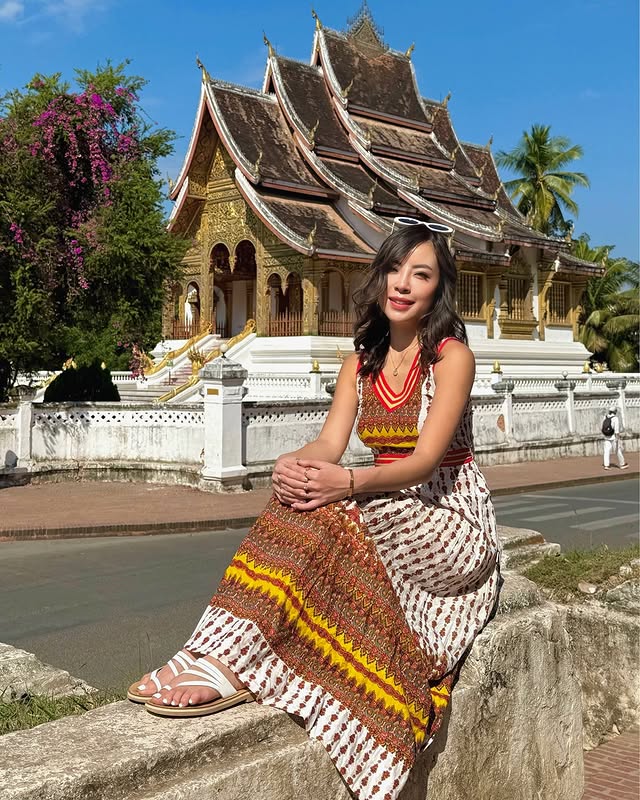
Dress Respectfully When Visiting Temples (Photo: Collected)
If you plan to observe the Tak Bat Alms Giving Ceremony, remember to remain quiet, keep a respectful distance from the monks, avoid using flash photography, and never interrupt or obstruct the procession. If participating in the alms offering, place food on a clean cloth or mat rather than handing it directly to the monks.
7.4. Respect the Environment and Cultural Heritage
As a UNESCO World Heritage Site, Luang Prabang deserves thoughtful and responsible tourism.
Help preserve the city’s beauty by disposing of waste properly, avoiding unnecessary noise at cultural and religious sites, and refraining from touching Buddha statues or historical artifacts unless explicitly permitted.
Supporting local businesses and purchasing authentic handmade products also contributes to the preservation of traditional Lao craftsmanship and the local economy.
7.5. Basic Lao Phrases
Although English is commonly spoken in hotels, restaurants, and tourist attractions, learning a few simple Lao greetings can make your interactions with local people even more enjoyable.
Some useful expressions include:
- Sabaidee – Hello
- Khop Chai – Thank you
- Kho Thot – Excuse me / Sorry
- Laa Gon – Goodbye
Even a few words in Lao are often warmly appreciated and can help create more meaningful connections with local residents.
End of Guide
Whether you’re drawn by ancient temples, stunning natural landscapes, rich cultural traditions, or exceptional local cuisine, Luang Prabang offers an unforgettable travel experience unlike anywhere else in Southeast Asia. From witnessing the peaceful Tak Bat Alms Giving Ceremony at sunrise to watching the sunset from Mount Phousi, every moment in this UNESCO World Heritage city reveals another layer of its timeless charm.
With its welcoming atmosphere, well-preserved heritage, and relaxed pace of life, Luang Prabang is a destination that invites visitors not only to explore but also to slow down, reflect, and truly immerse themselves in the beauty of Laos. We hope this guide helps you plan a memorable journey to one of the country’s most captivating destinations.