





15 Best Places to Visit in Ha Giang

15 Best Places to Visit in Ha Giang for Unforgettable Check-in Photos
Ha Giang is Vietnam’s northernmost province, famous for its breathtaking mountain passes, limestone plateaus, ethnic minority villages, and spectacular landscapes. Whether you’re an adventure seeker, a photography enthusiast, or simply looking for an authentic cultural experience, Ha Giang offers countless destinations that will leave you speechless.
Here are 15 must-visit attractions in Ha Giang that deserve a place on your travel bucket list.
Motorbike rental in Ha Giang
>>>Book a 3 day-2 night Ha Giang tour here now
1. Lung Cu Flag Tower
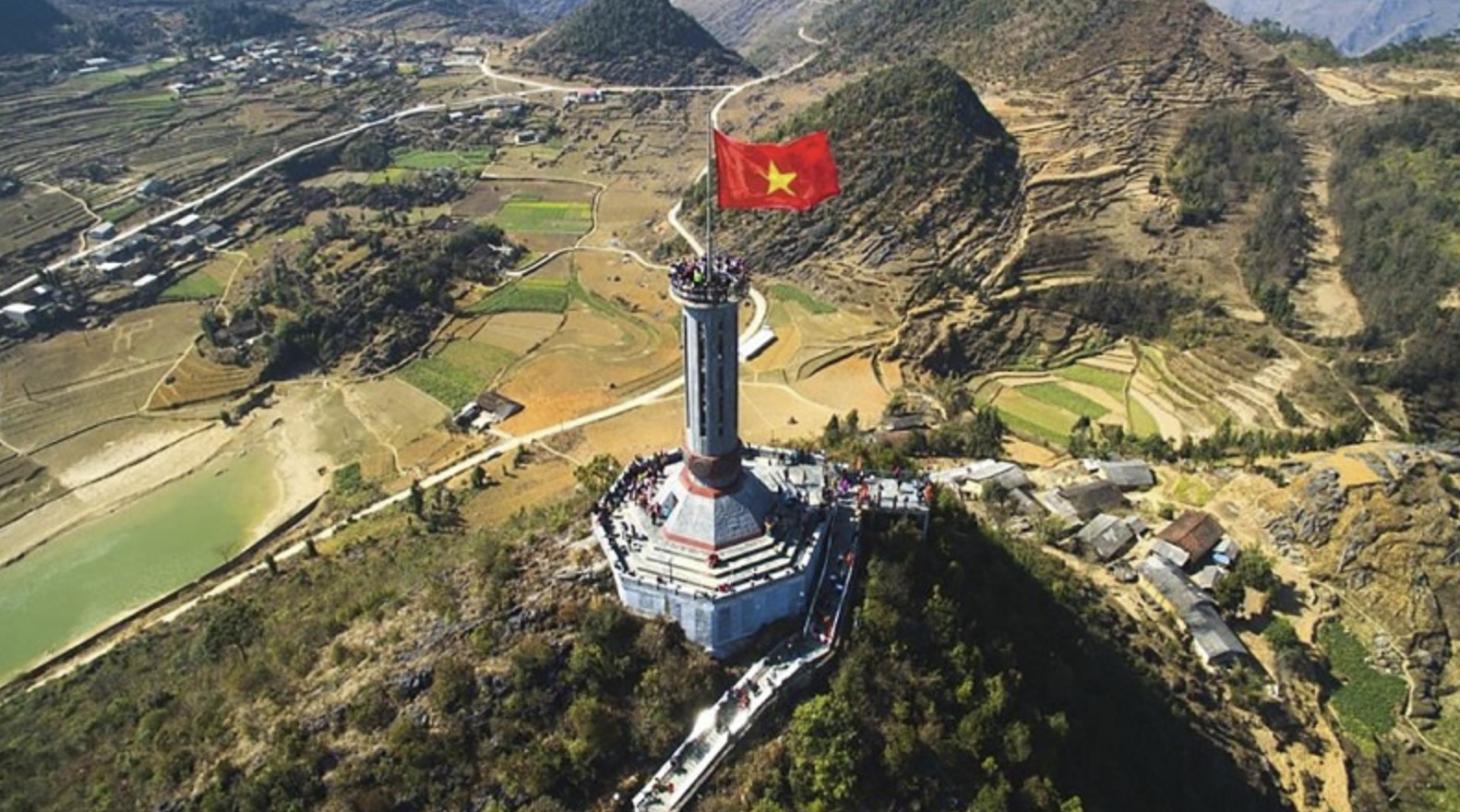
Located about 2 km from Vietnam’s northernmost point, Lung Cu Flag Tower stands at an elevation of approximately 1,470 meters and is one of the country’s most iconic landmarks.
The giant Vietnamese flag waving proudly atop Dragon Mountain symbolizes national pride and unity among Vietnam’s 54 ethnic groups. The flag itself covers an area of 54 square meters, representing each ethnic community across the country.
After climbing hundreds of stone steps to the summit, visitors are rewarded with panoramic views of rolling mountains, traditional villages, and the breathtaking border landscape between Vietnam and China.
2. Ha Giang Kilometer Zero Marker
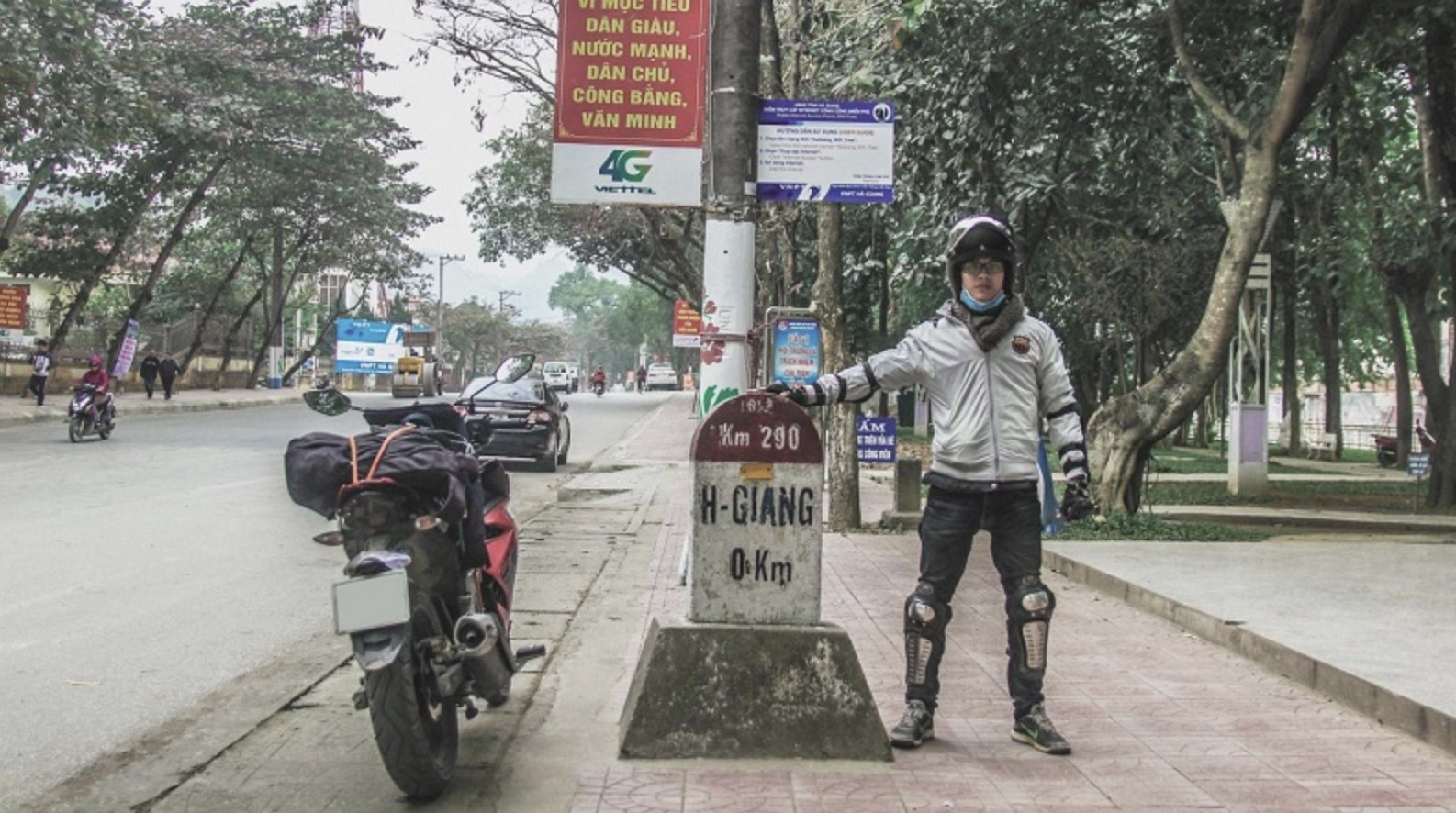
Situated in the heart of Ha Giang City on Nguyen Trai Street, the Kilometer Zero Marker marks the starting point of National Highway 2, the famous route leading travelers from Hanoi to the magnificent Ha Giang Loop.
Although simple in appearance, this landmark has become a symbolic starting point for every adventure in northern Vietnam. Nearly every visitor stops here for a commemorative photo before beginning their unforgettable journey through the mountains.
3. Ma Pi Leng Pass
Known as one of Vietnam’s “Four Great Mountain Passes,” Ma Pi Leng Pass is undoubtedly the crown jewel of Ha Giang.
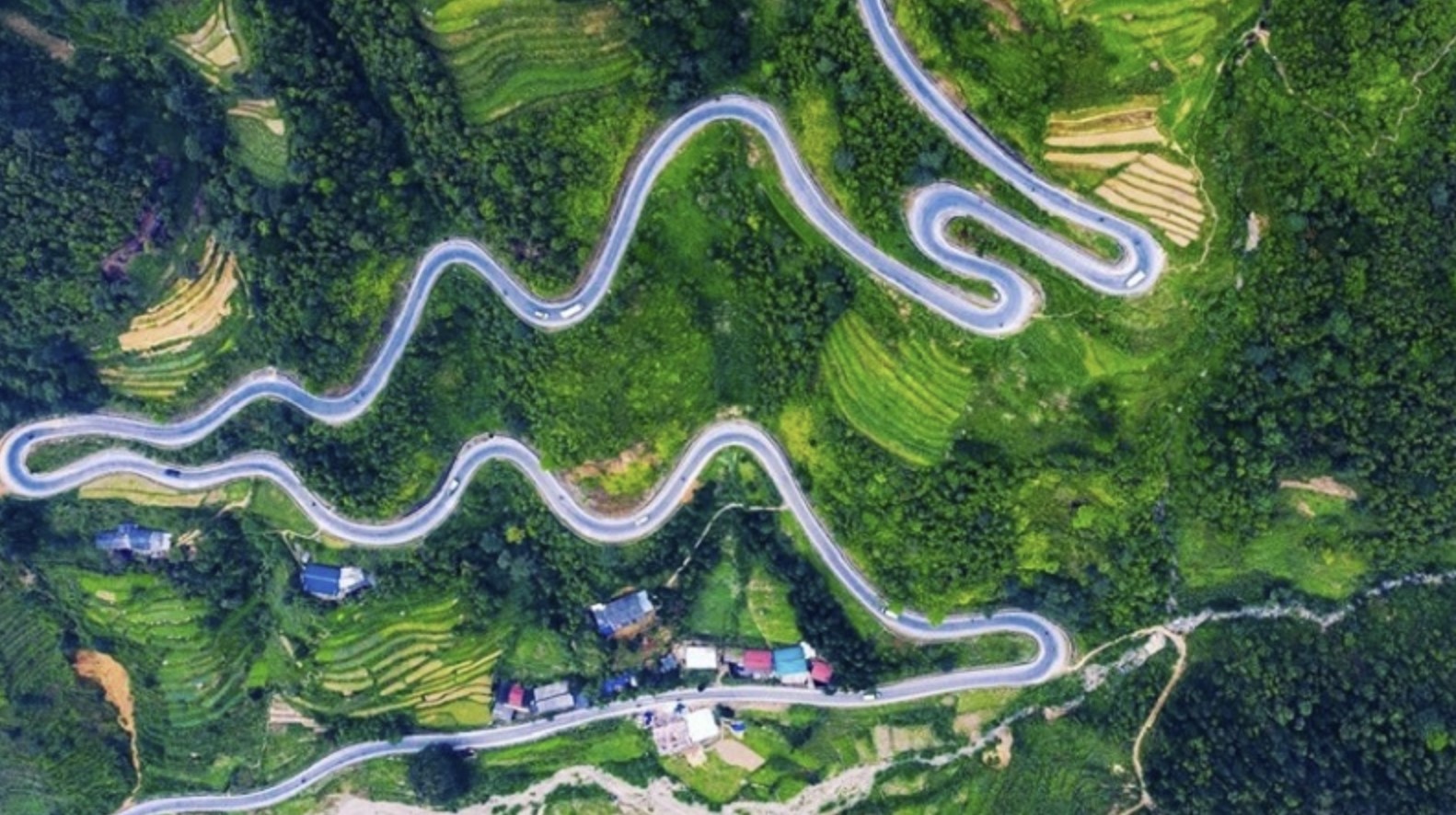
The name “Ma Pi Leng” roughly translates to “Horse’s Nose Bridge,” describing the steep and rugged terrain that challenges even experienced travelers. Rising over 1,200 meters above sea level and stretching nearly 20 kilometers, the pass offers dramatic views unlike anywhere else in Vietnam.
From the summit, you’ll witness towering limestone cliffs on one side and the emerald-green Nho Que River winding gracefully through the valley below.
4. Pho Bang Ancient Town
Hidden among majestic mountains lies the peaceful village of Pho Bang, often referred to as the “forgotten town” of Ha Giang.
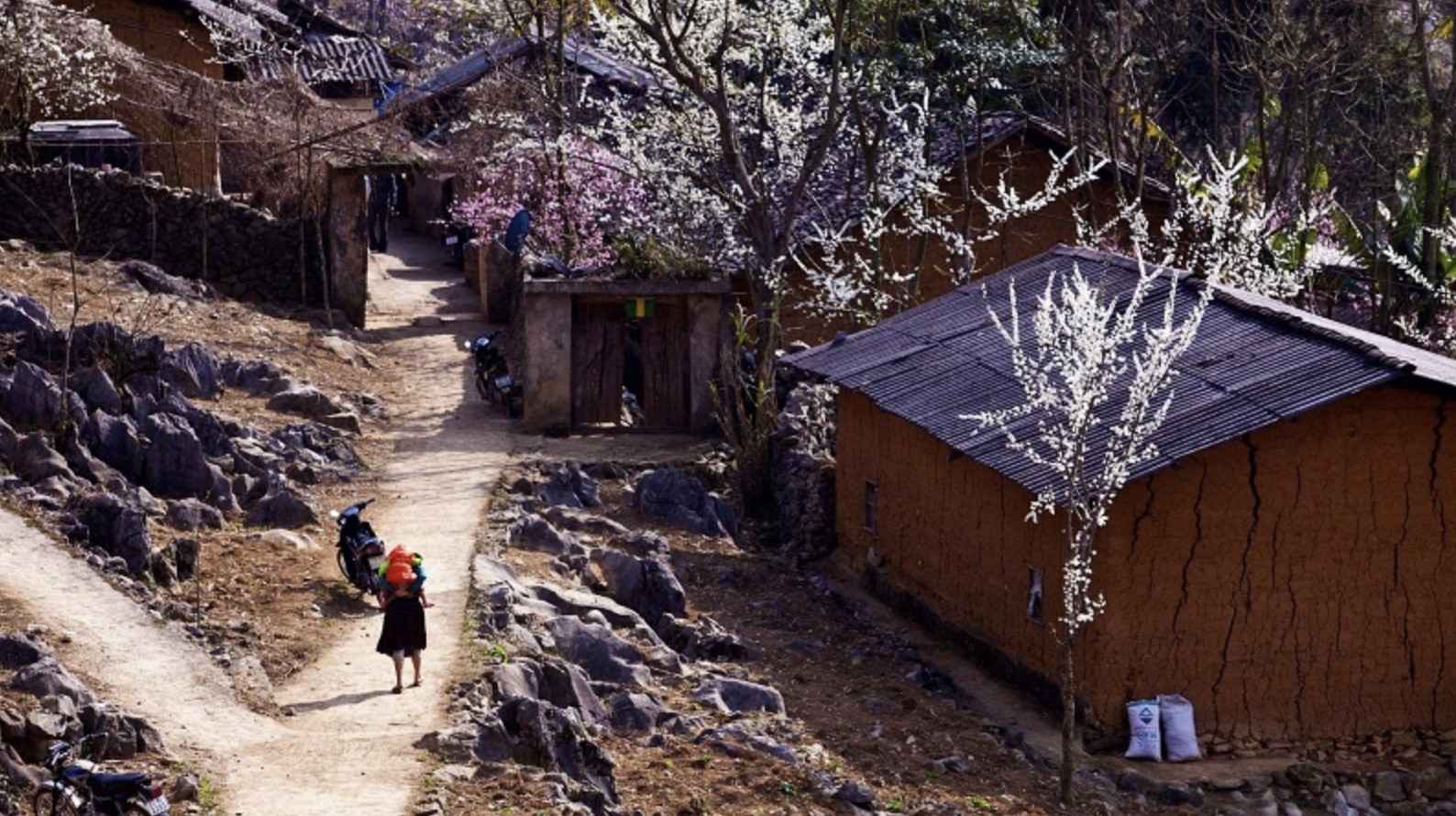
Quiet streets, centuries-old clay houses, colorful flowers, and a slow-paced lifestyle create a nostalgic atmosphere that feels untouched by time.
For travelers looking to escape crowds and experience authentic local life, Pho Bang offers one of the most peaceful destinations in the Dong Van Karst Plateau.
5. Quan Ba Twin Mountains
Also known as the Fairy Bosom Mountains, the Quan Ba Twin Mountains are among Ha Giang’s most recognizable natural landmarks.
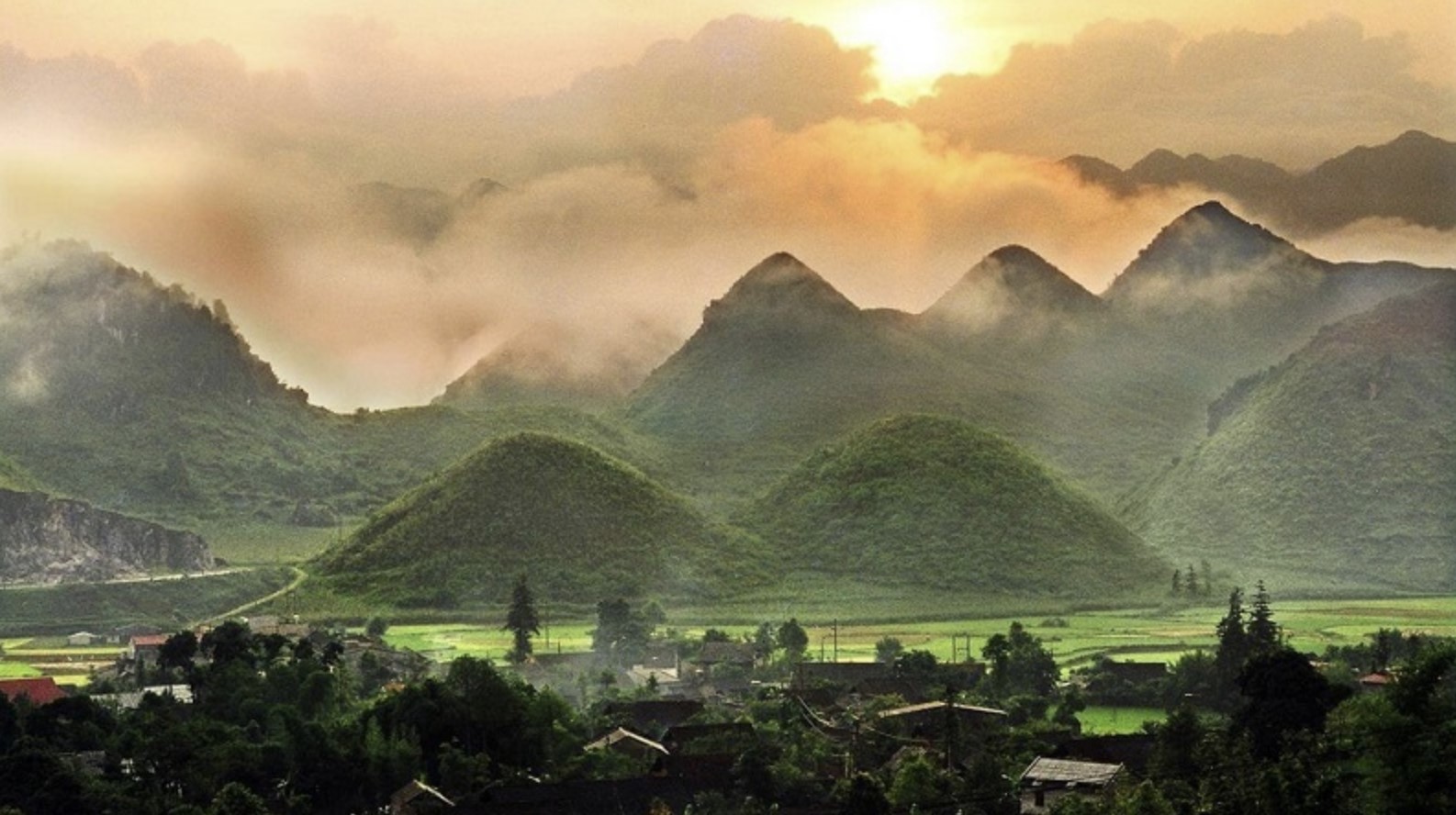
According to local legend, these perfectly rounded hills were formed by a fairy who left behind part of herself to nourish her child. Today, they stand as a beautiful symbol of motherhood and love.
The surrounding valley is equally stunning, especially during harvest season when golden rice fields blanket the landscape.
6. Vuong Family Mansion (The Hmong King’s Palace)
Nestled in Sa Phin Valley, the Vuong Family Mansion was once home to Vuong Chinh Duc, the influential leader of the Hmong people.
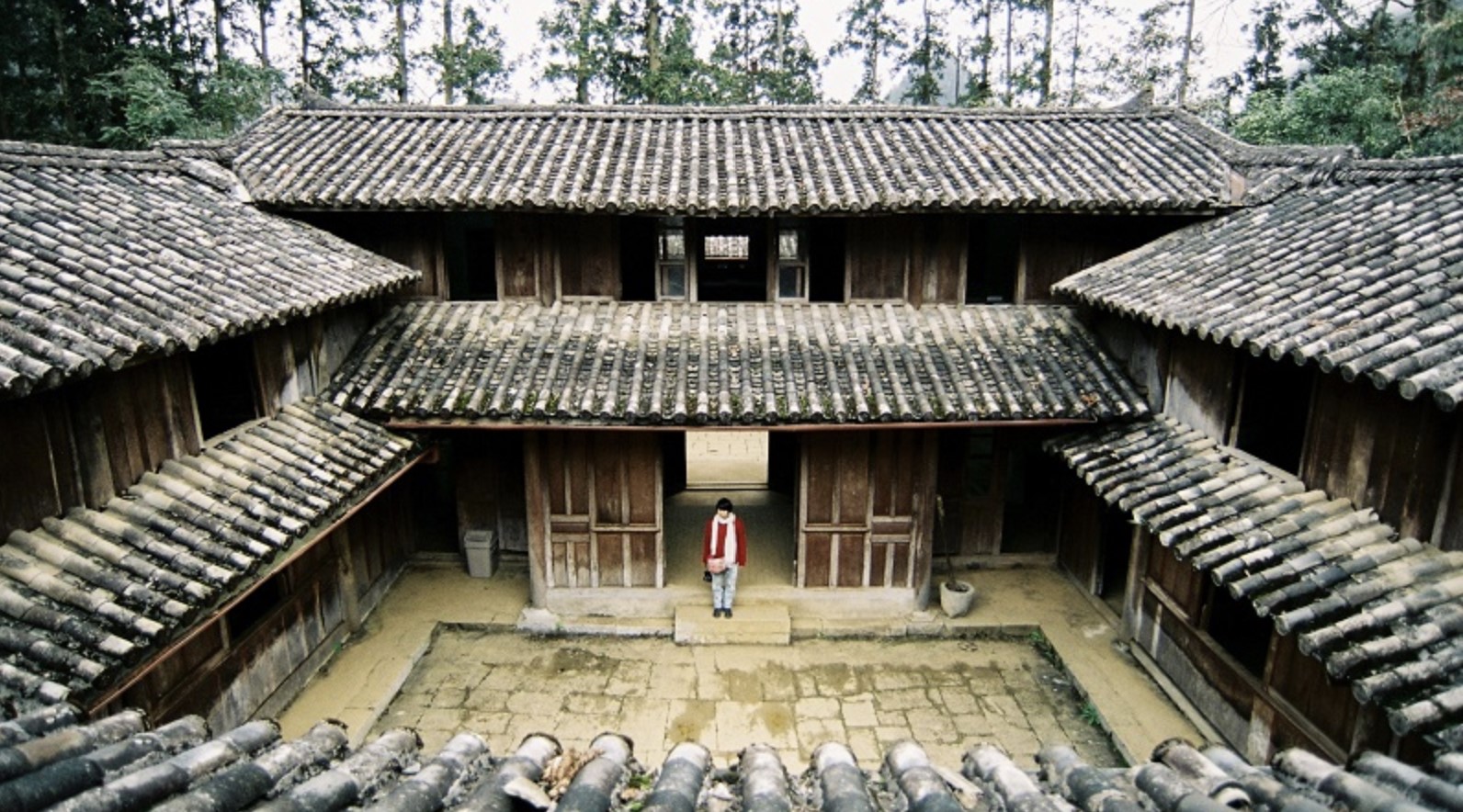
Built over nine years and covering nearly 3,000 square meters, the mansion beautifully combines Chinese, French, and Hmong architectural styles.
Today, visitors can admire its intricate wooden carvings, ancient stone walls, historic artifacts, and learn more about Ha Giang’s fascinating history.
7. Sung La Valley
Often called “the flower blooming among the rocks,” Sung La Valley is one of the most picturesque places on the Dong Van Karst Plateau.
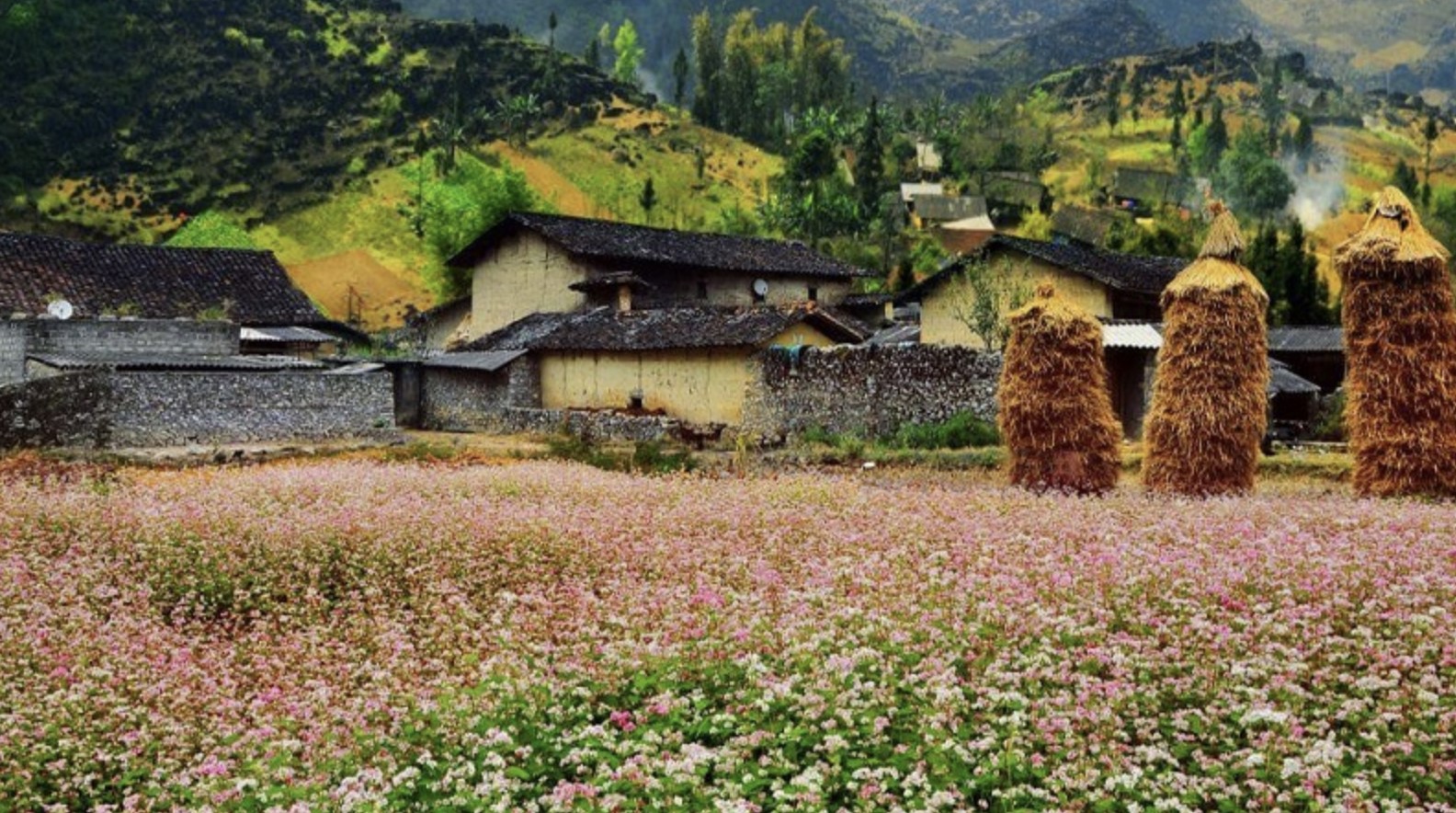
Sùng là Ha Giang
Surrounded by rocky mountains yet filled with colorful flower gardens, traditional Hmong houses, and peaceful farmlands, the valley looks like a painting in every season.
Several ethnic communities, including the Hmong, Lo Lo, and Hoa people, continue to preserve their traditional customs, festivals, music, and handicrafts here.
8. Nho Que River
Flowing through the spectacular Tu San Canyon, the Nho Que River is famous for its mesmerizing emerald-green water.
Visitors can enjoy scenic boat rides, kayaking adventures, or simply admire the river from the viewpoints along Ma Pi Leng Pass.
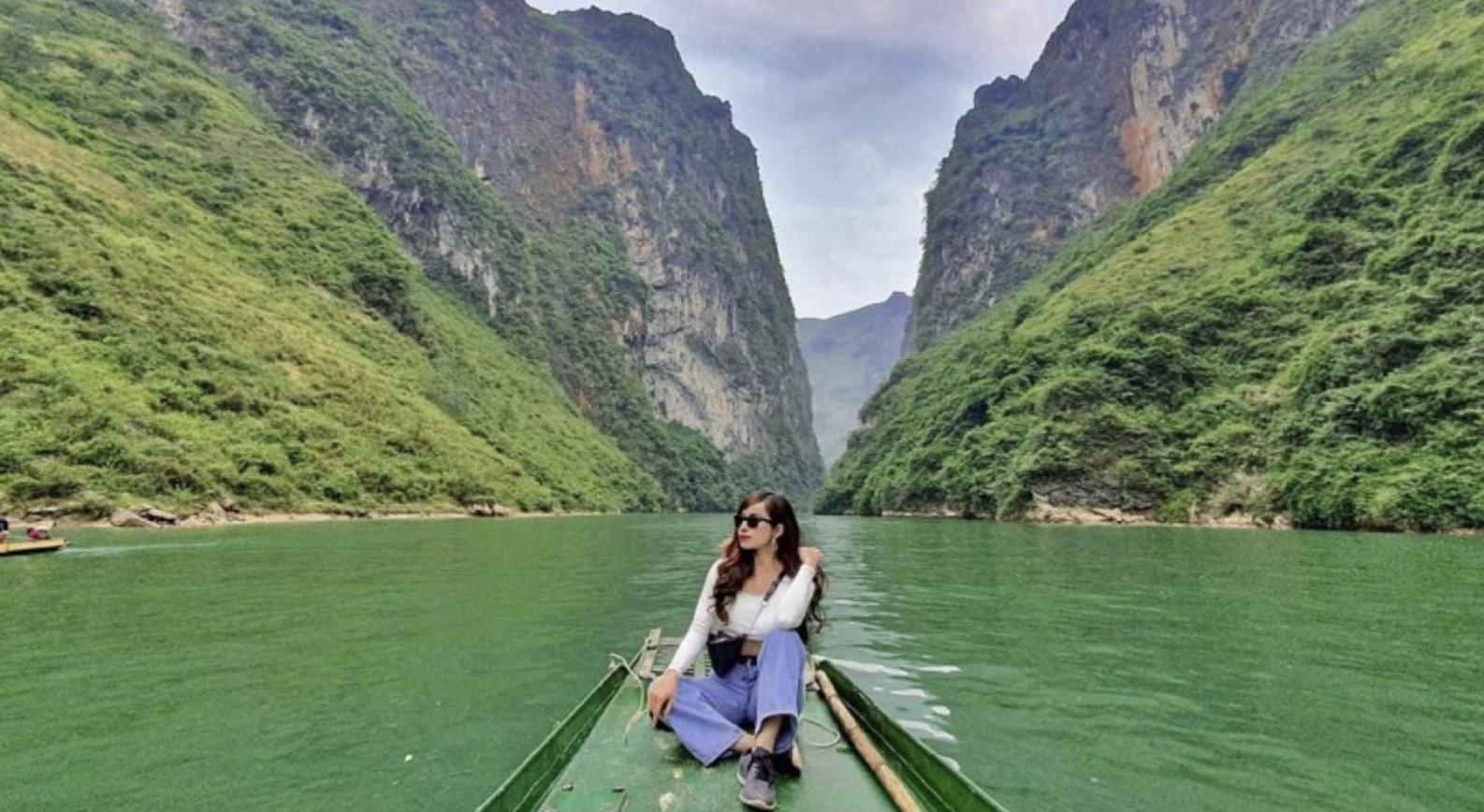
Whether viewed from above or experienced on the water, the Nho Que River offers some of the most breathtaking scenery in Vietnam.
9. Tham Ma Pass
One of Ha Giang’s most famous mountain roads, Tham Ma Pass features a series of dramatic hairpin bends that challenge riders while rewarding them with incredible panoramic views.
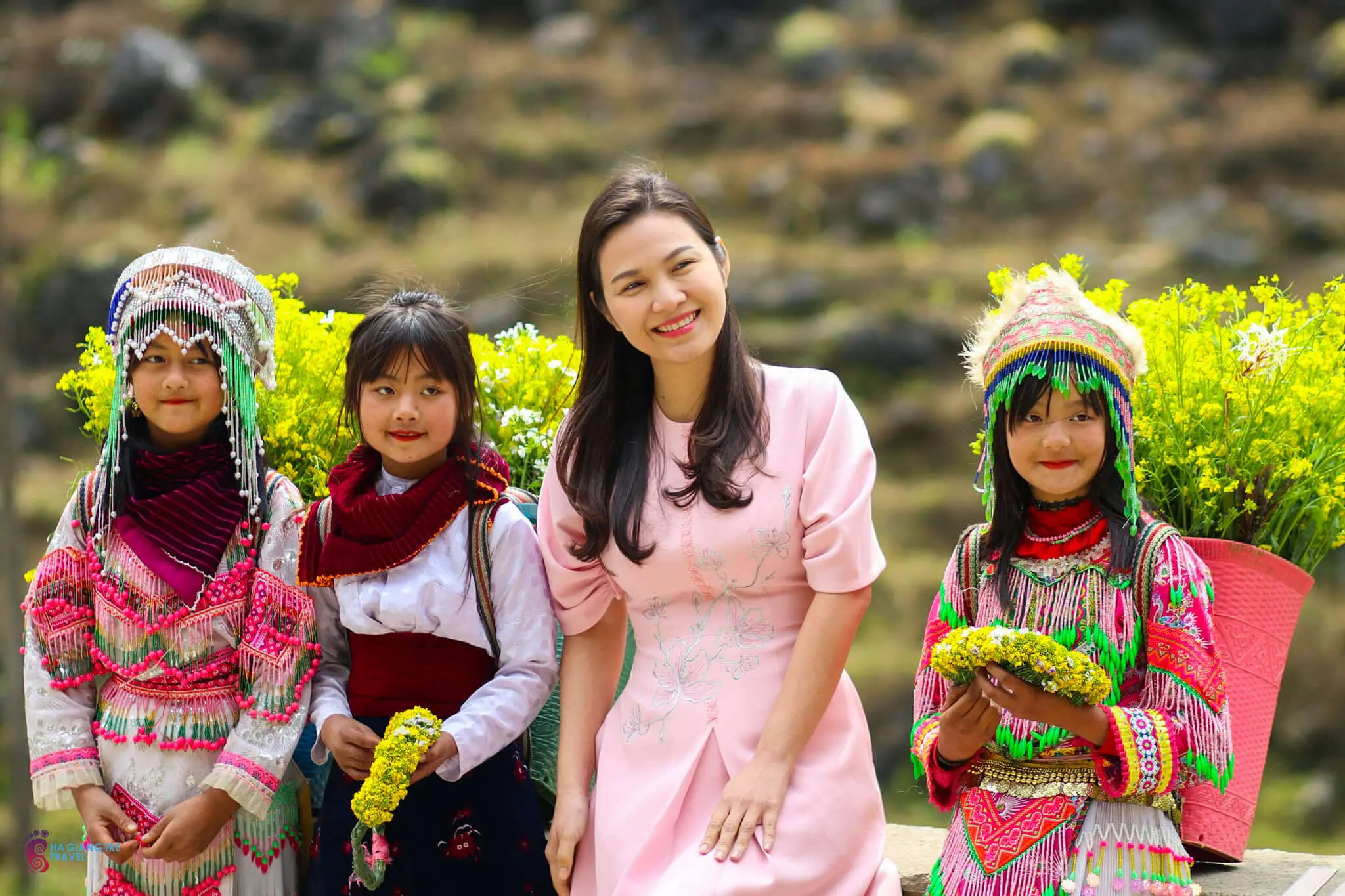
Legend has it that horses carrying heavy goods once had to prove their strength by climbing this steep road, giving the pass its unique name.
Today, it has become one of the most popular photo stops along the Ha Giang Loop.
10. Pao’s House
Made famous by the award-winning Vietnamese film “The Story of Pao,” this nearly 100-year-old traditional Hmong house has become one of Ha Giang’s most beloved attractions.
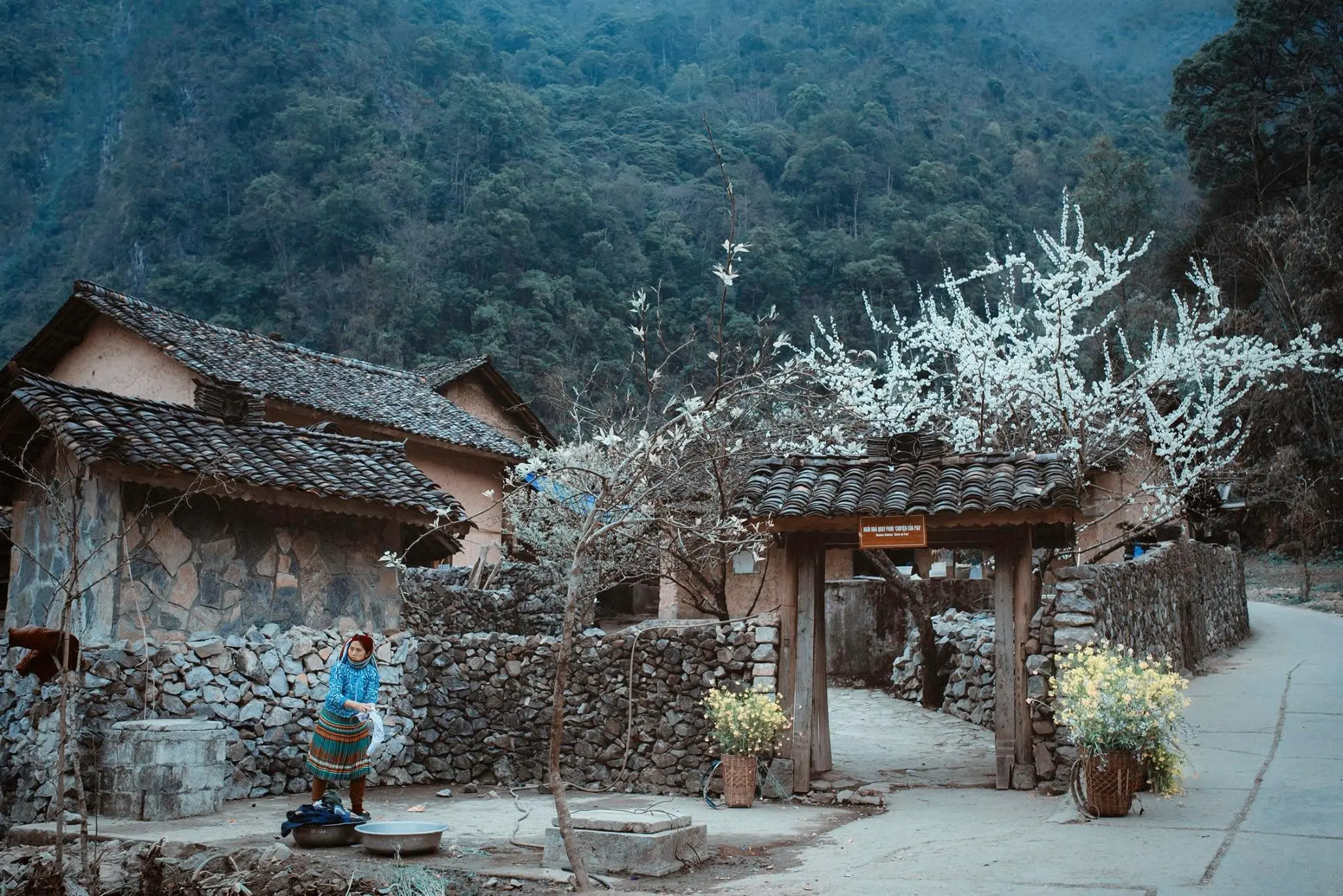
Built with earthen walls, yin-yang tiled roofs, and a spacious courtyard, the house beautifully reflects traditional Hmong architecture.
Walking through the peaceful courtyard feels like stepping back into another era, offering visitors a glimpse into authentic mountain life.
11. Dong Van Karst Plateau Geopark
Recognized by UNESCO as a Global Geopark, the Dong Van Karst Plateau is one of Southeast Asia’s most remarkable geological wonders.
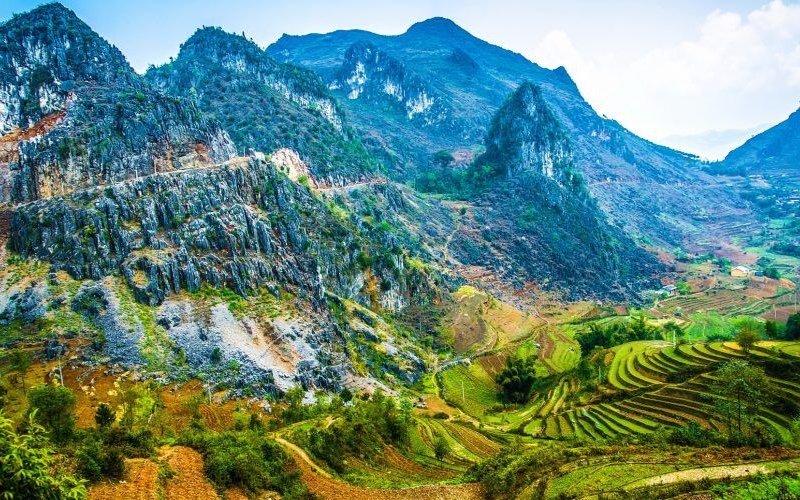
Towering limestone mountains, deep valleys, winding roads, ancient stone fences, and vibrant ethnic villages combine to create an unforgettable landscape.
Depending on the season, visitors can admire blooming buckwheat flowers, golden rice terraces, or lush green cornfields stretching across the mountains.
12. Hoang Su Phi
Located in western Ha Giang, Hoang Su Phi is world-renowned for its breathtaking terraced rice fields.
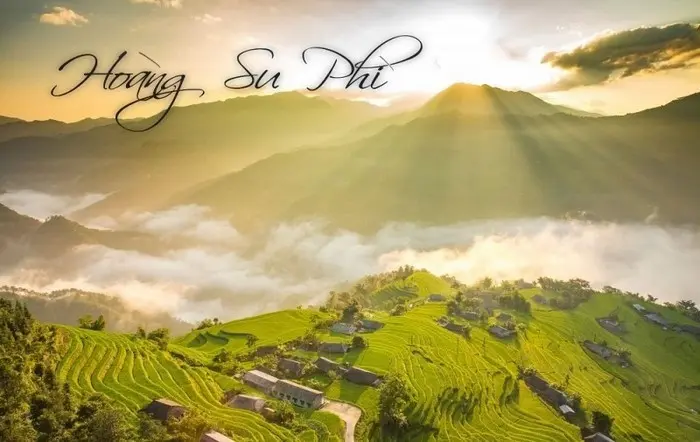
During harvest season, layers of golden rice cascade down mountain slopes, creating one of Vietnam’s most iconic landscapes.
Besides its stunning scenery, Hoang Su Phi is also home to ancient Shan Tuyet tea forests, traditional ethnic markets, and rich cultural heritage preserved by local communities.
13. Du Gia Village
About 70 kilometers from Ha Giang City, Du Gia is a peaceful village surrounded by mountains, rivers, waterfalls, and rice terraces.
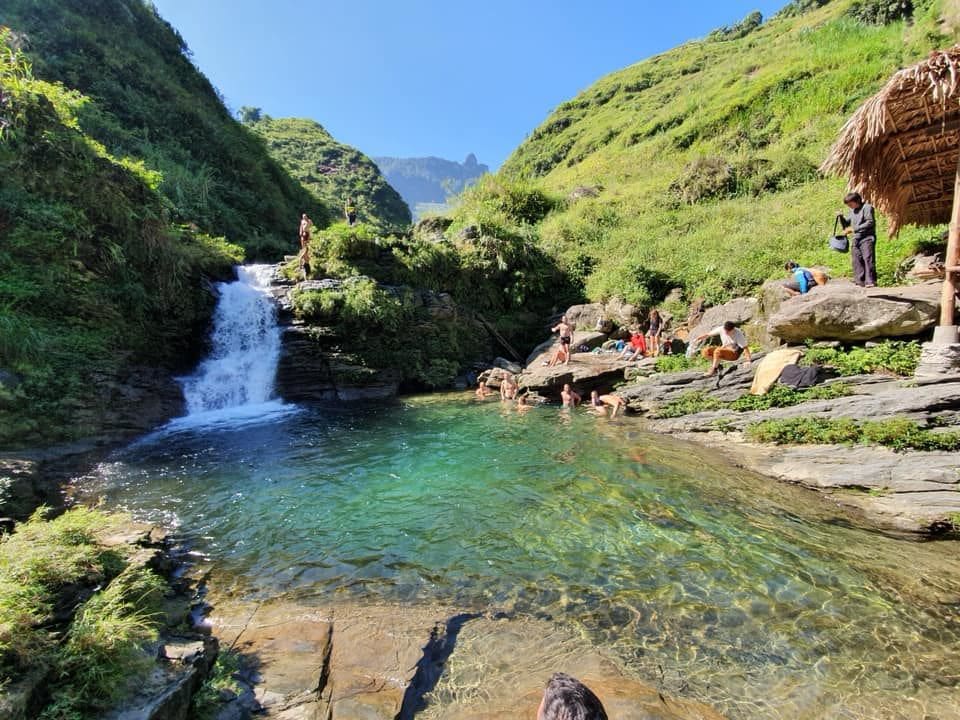
The journey itself is part of the adventure, passing winding roads, traditional villages, and endless fields of blooming buckwheat flowers during the right season.
Visitors can also experience authentic ethnic culture through local festivals, traditional costumes, folk music, and warm homestay hospitality.
14. Lung Khuy Cave
Often called the most beautiful cave in Ha Giang, Lung Khuy Cave was officially opened to visitors in 2015 and quickly became a favorite attraction.
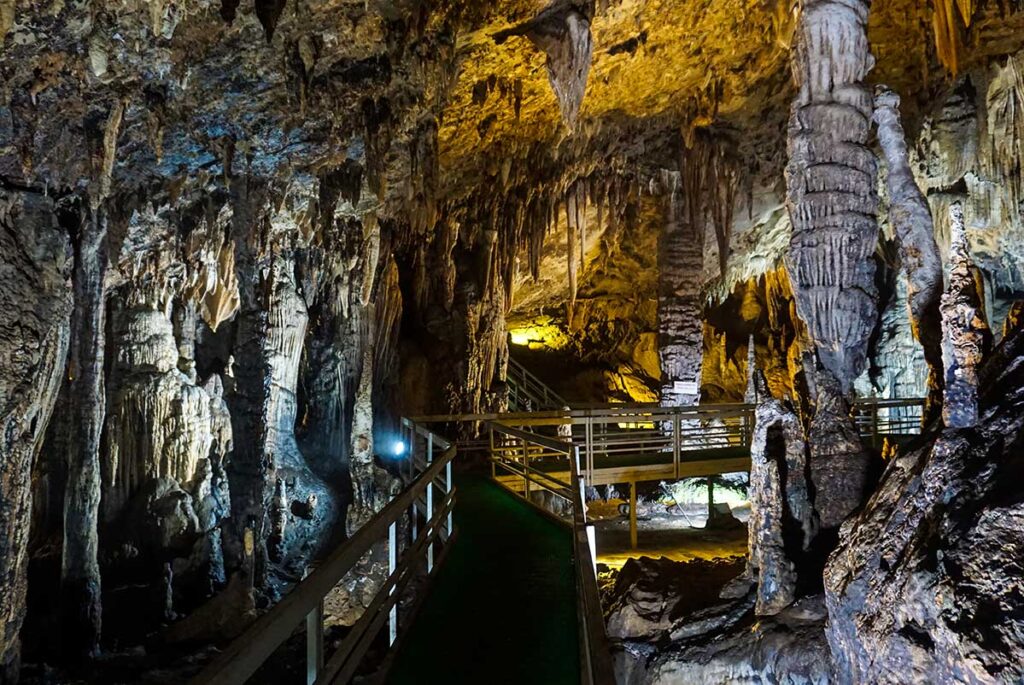
Located in Quan Ba District, the cave stretches deep into the mountain and features magnificent stalactites and stalagmites shaped over millions of years.
Its name means “Dragon in the Rock Valley” in the local language, inspired by ancient legends passed down through generations.
15. Tu San Canyon
Towering nearly 800 meters above the emerald waters of the Nho Que River, Tu San Canyon is considered the deepest canyon in Southeast Asia.
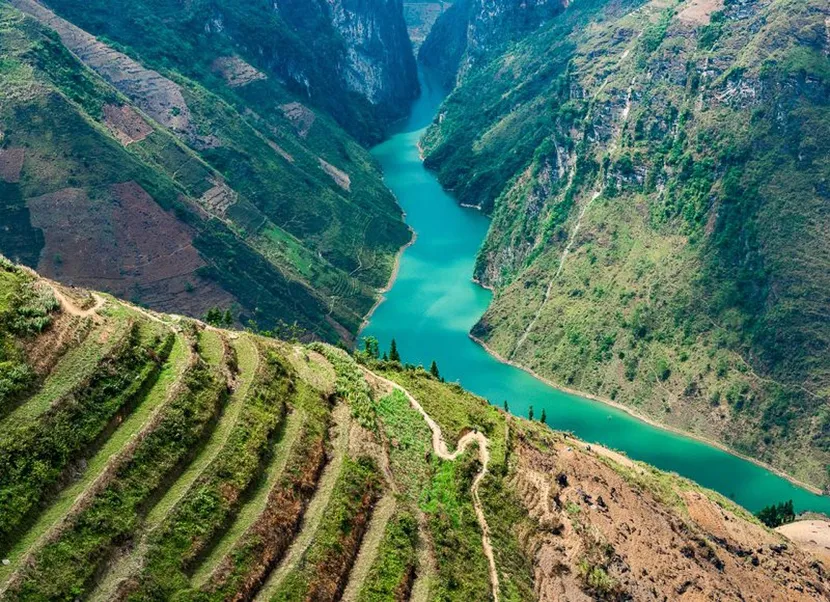
The most exciting way to experience its grandeur is by taking a boat or kayak along the river, allowing visitors to admire the towering limestone cliffs from below.
Standing beneath these massive rock walls offers an unforgettable perspective of Ha Giang’s extraordinary natural beauty.
Discover More Than Just Beautiful Landscapes
Ha Giang is more than dramatic mountain passes and stunning viewpoints. It is also a land rich in culture, history, ethnic traditions, and unforgettable local cuisine.
From conquering legendary roads like Ma Pi Leng Pass to exploring peaceful villages, tasting regional specialties, and connecting with local communities, every moment in Ha Giang becomes a memorable adventure.
Start planning your next journey with Focus Asia Travel and discover not only the beauty of Ha Giang but also countless amazing destinations throughout Vietnam.
If you’d like, I can also rewrite this article into a fully SEO-optimized English version (2,500–3,500 words) targeting keywords such as “Ha Giang attractions,” “best places to visit in Ha Giang,” and “Ha Giang travel guide,” making it suitable for an international tourism website.