





Northern Xinjiang – A New Frontier on the 2026 China Tourism Map

Northern Xinjiang – A Rising Star in Chinese Tourism
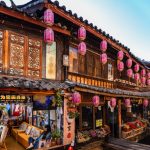
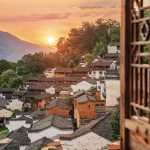
For years, when people thought of tourism in China, destinations like Fenghuang Ancient Town, Lijiang, Zhangjiajie, or Jiuzhaigou immediately came to mind. However, in recent years, a completely different region has emerged as a “new star” on the global tourism map: Northern Xinjiang.
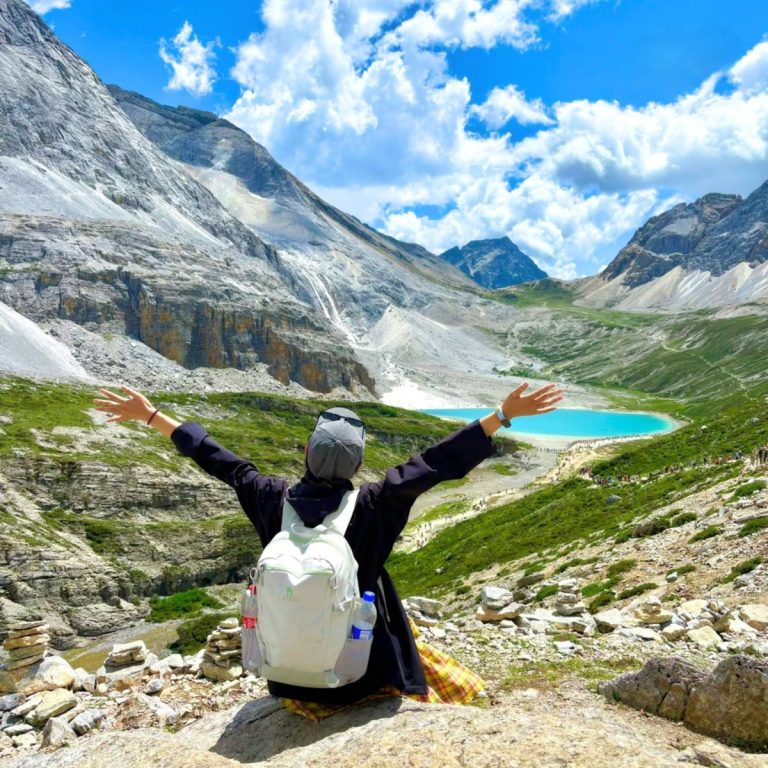
No longer just a remote and mysterious frontier, Northern Xinjiang is attracting millions of visitors thanks to its pristine landscapes, cool climate, and rare, diverse ecosystem. Often likened to the “Switzerland of Asia,” the region boasts a stunning array of turquoise lakes, vast pine forests, sprawling grasslands, majestic snow-capped mountains, and picturesque ancient villages.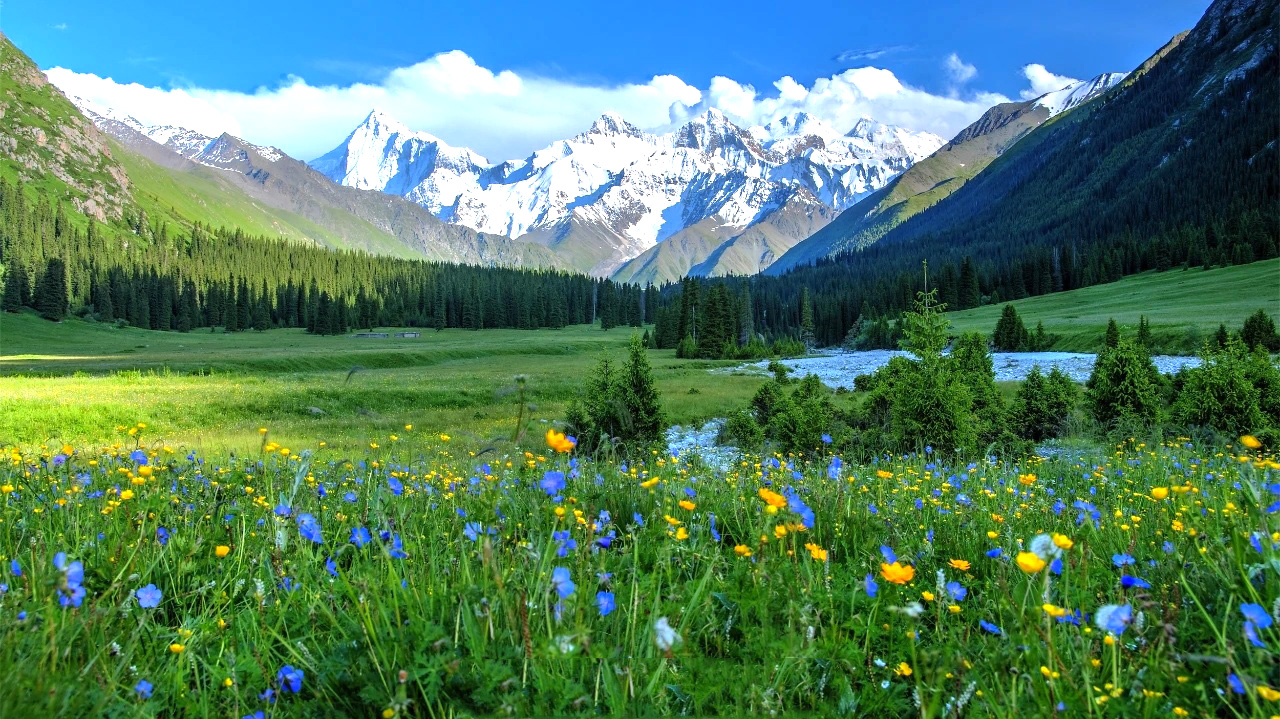
If you are seeking a journey that stands apart from the usual tourist hotspots, Northern Xinjiang is certainly a destination worth experiencing.
Why has Northern Xinjiang become a “hotspot” for Chinese tourism?
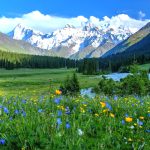
While Southern Xinjiang is renowned for the Silk Road, ancient cities, and distinctive Islamic culture, Northern Xinjiang offers lush, verdant beauty year-round. Primeval forests stretch to the horizon, and vast grasslands are dotted with herds of horses grazing freely. Interspersed among these are crystal-clear lakes that mirror the blue sky and snow-capped peaks.
It is a land that leaves nature lovers awestruck from the very moment they set foot there.
Kanas Lake – A turquoise gem amidst the Altai Mountains
To speak of Northern Xinjiang is to speak of Kanas Lake, the region’s most iconic landmark.
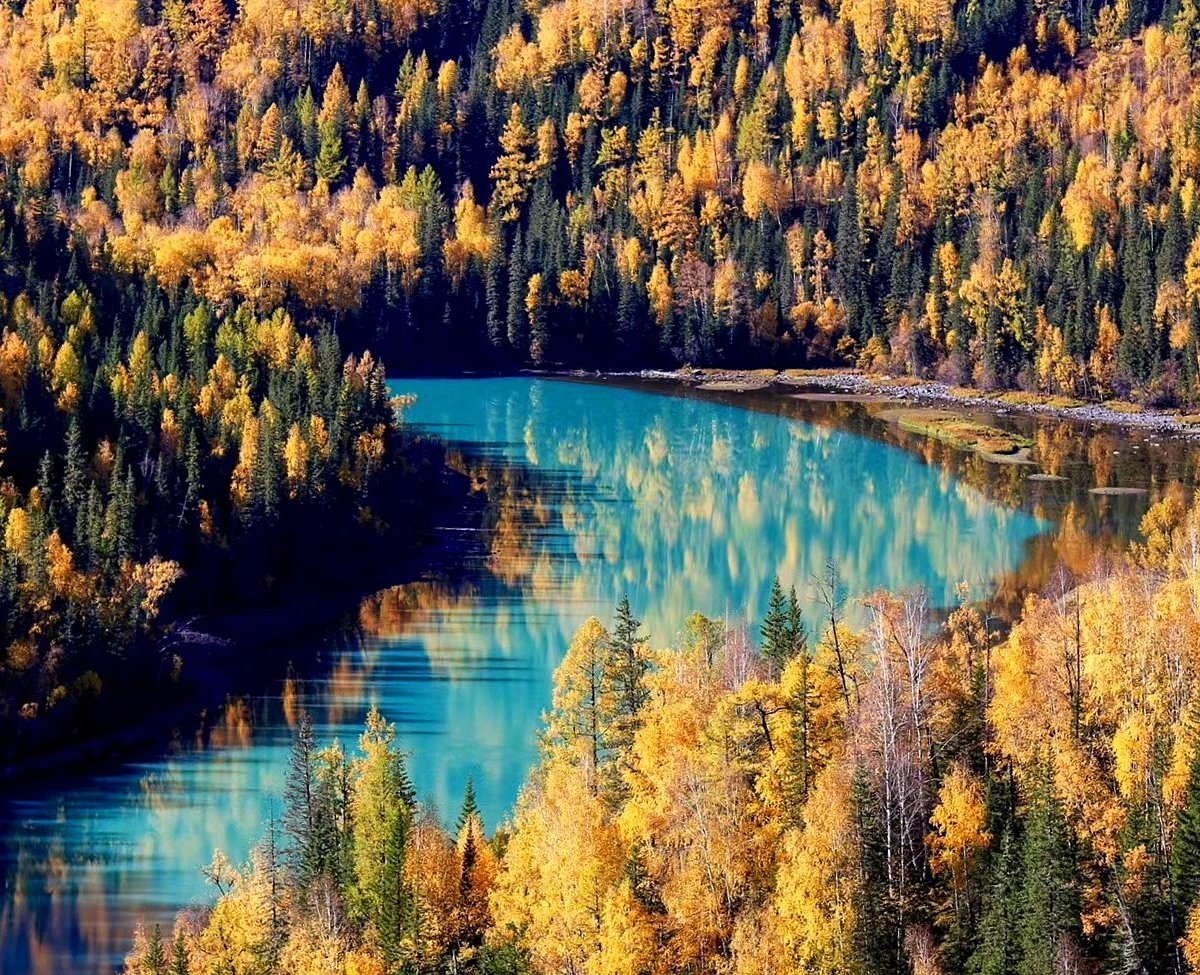
Kanas Lake – A turquoise gem amidst the Altai Mountains
To speak of Northern Xinjiang is to speak of Kanas Lake, the region’s most iconic landmark.
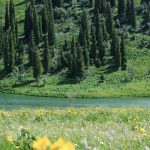
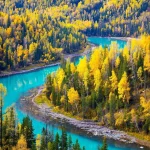
Nestled within the Altai Mountains, Kanas Lake boasts waters that shift in color throughout the seasons. On sunny days, the surface turns a brilliant turquoise; on cloudy days, the water takes on an ethereal emerald green or milky-white hue.
The lake is encircled by pristine pine forests and snow-capped peaks. The scenery evokes images of famous national parks in Canada or Switzerland for many visitors.
Kanas is not only beautiful in summer but also enchanting in autumn, when the forests transform into a vibrant tapestry of gold and red.
Ili Valley – China’s lavender paradise
Few realize that Northern Xinjiang is home to an “Asian Provence.” Thanks to a climate similar to that of Southern France, the Ili Valley has become China’s largest lavender-growing region.
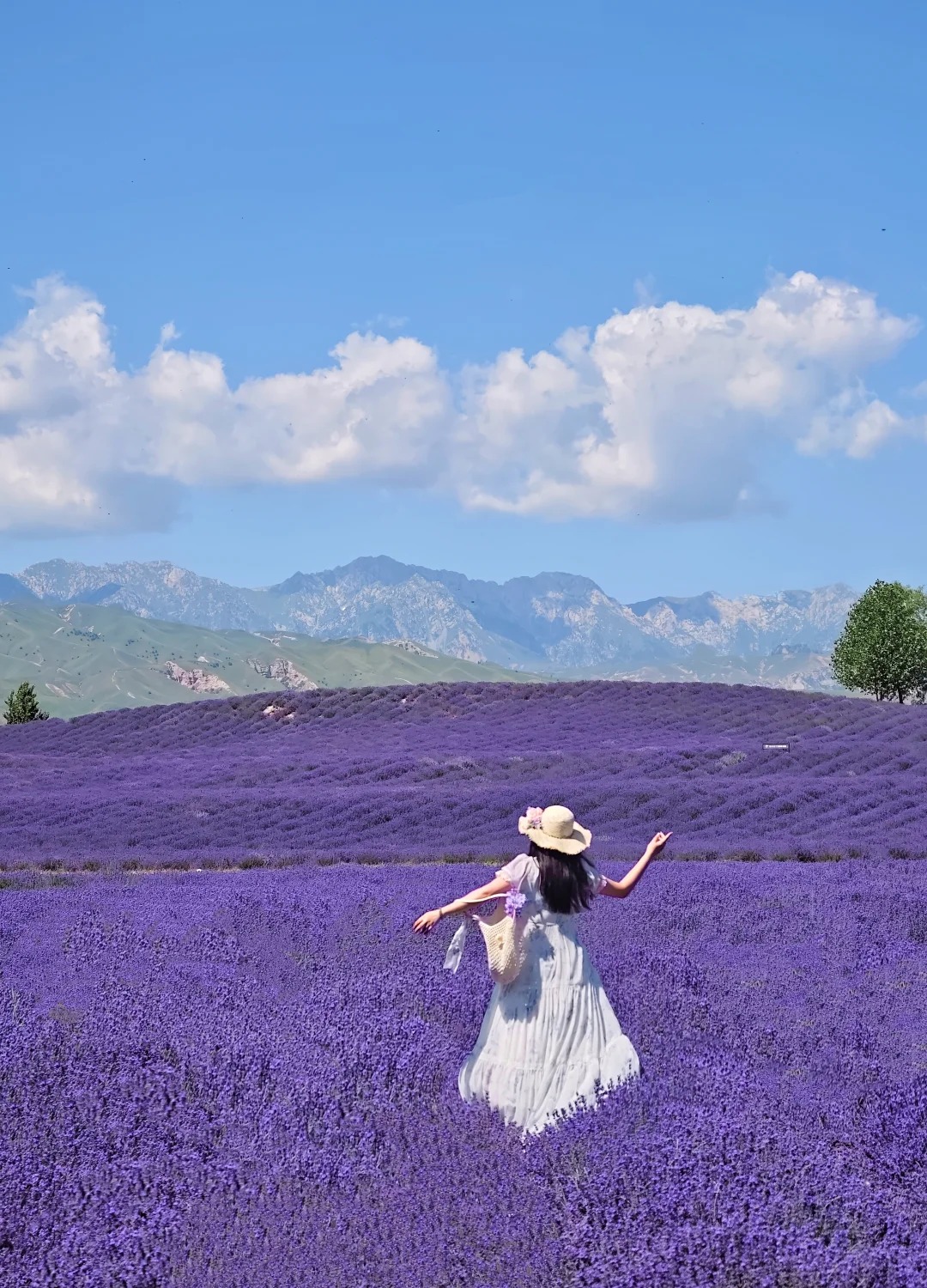
Between June and July, millions of lavender blossoms burst into bloom, blanketing the valley in a romantic shade of purple. In the distance, snow-capped mountains create a landscape rarely found elsewhere. Beyond the lavender, the area is renowned for its lush green meadows and herds of horses grazing leisurely beneath a clear blue sky.
Hemu Village – China’s Most Beautiful Village
One unmissable destination in Northern Xinjiang is Hemu Village. This small Tuva settlement nestles beside a crystal-clear stream and birch forests. Russian-style wooden houses with sloping roofs create a peaceful atmosphere that feels like something out of a fairy tale.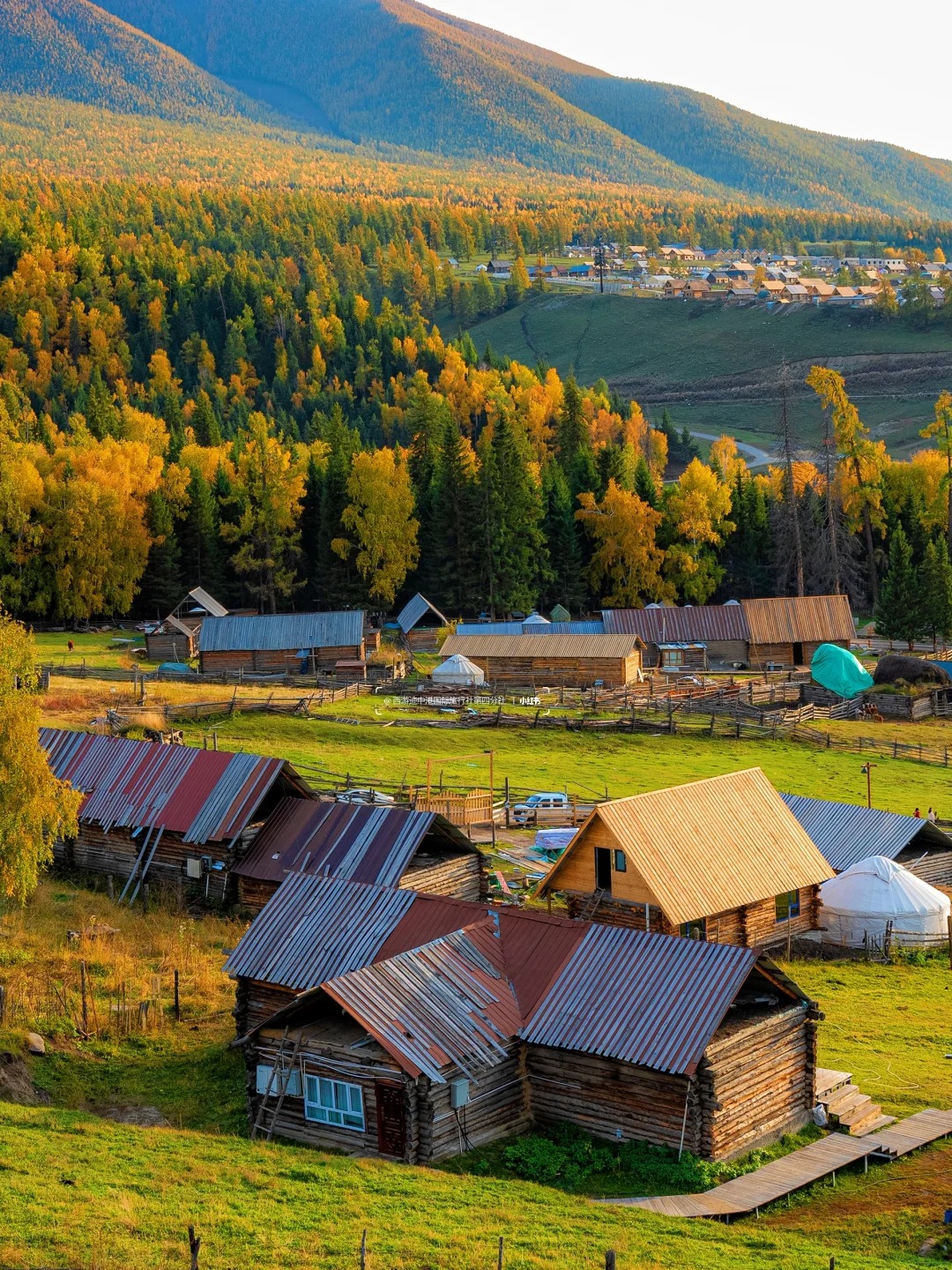
The most magical moment in Hemu is at sunrise. As the sun begins to rise, mist mingles with the smoke curling from wooden chimneys, enveloping the village in an ethereal glow. Many international photographers consider this one of the best spots in China to capture the sunrise.
Baihaba – A Border Village
While Hemu exudes poetic beauty, Baihaba impresses with its tranquility and seclusion. Situated right on the border between China and Kazakhstan, the village is surrounded by the majestic Altai Mountains. Local residents maintain a traditional nomadic lifestyle and preserve the unique customs of the Tuva people.
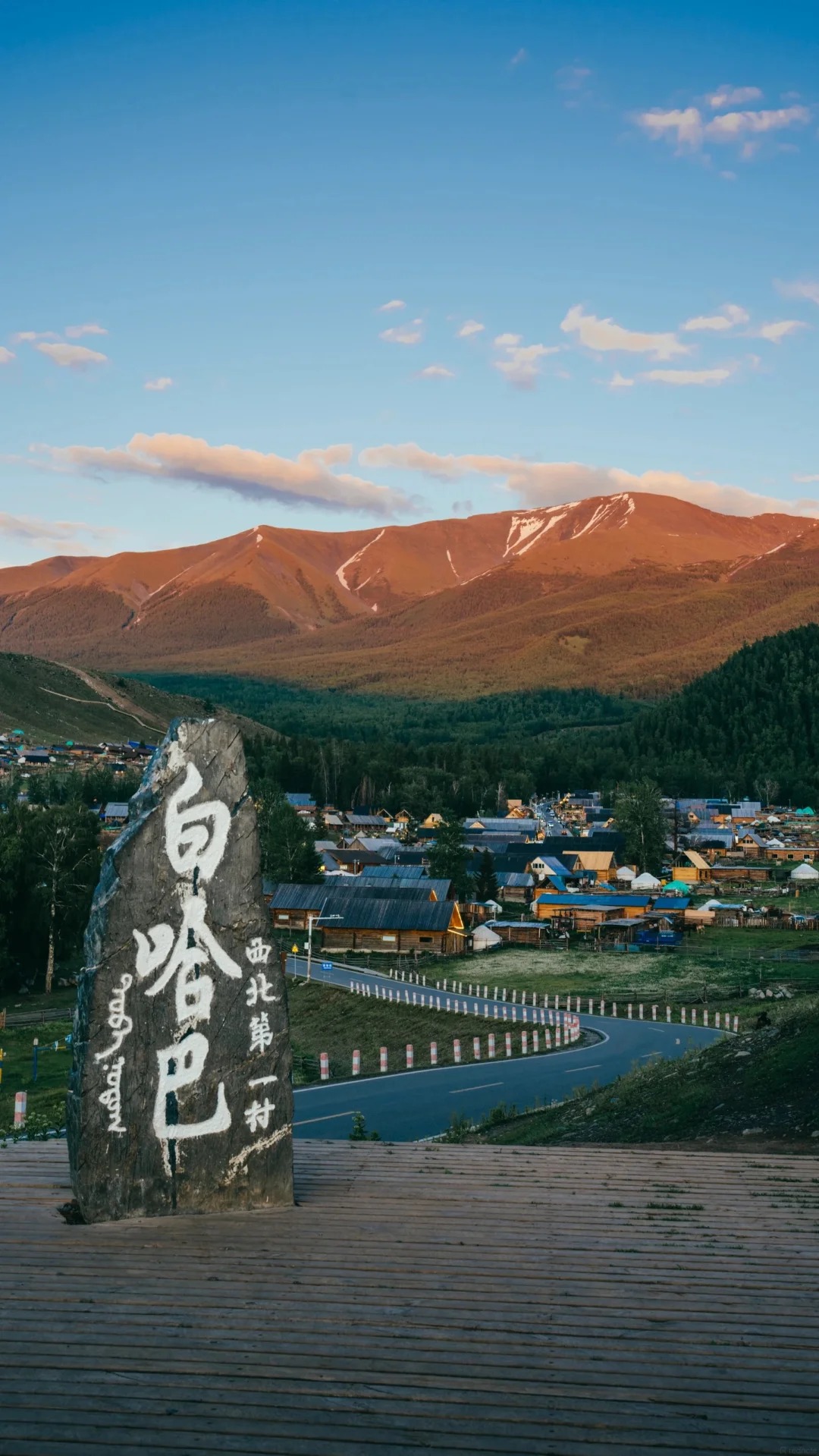
Baihaba is particularly captivating in autumn, when the forests turn a brilliant golden hue, creating a scene that compels visitors to linger.
Dushanzi Canyon and Urho Ghost City – Geological Masterpieces of Northern Xinjiang
Northern Xinjiang is famous not only for its lakes and grasslands but also for its unique geological wonders.
Dushanzi Canyon is often described as the “secret of the Duku Highway.” Layers of multicolored rock, eroded over millions of years, have formed magnificent cliffs and spectacular deep gorges.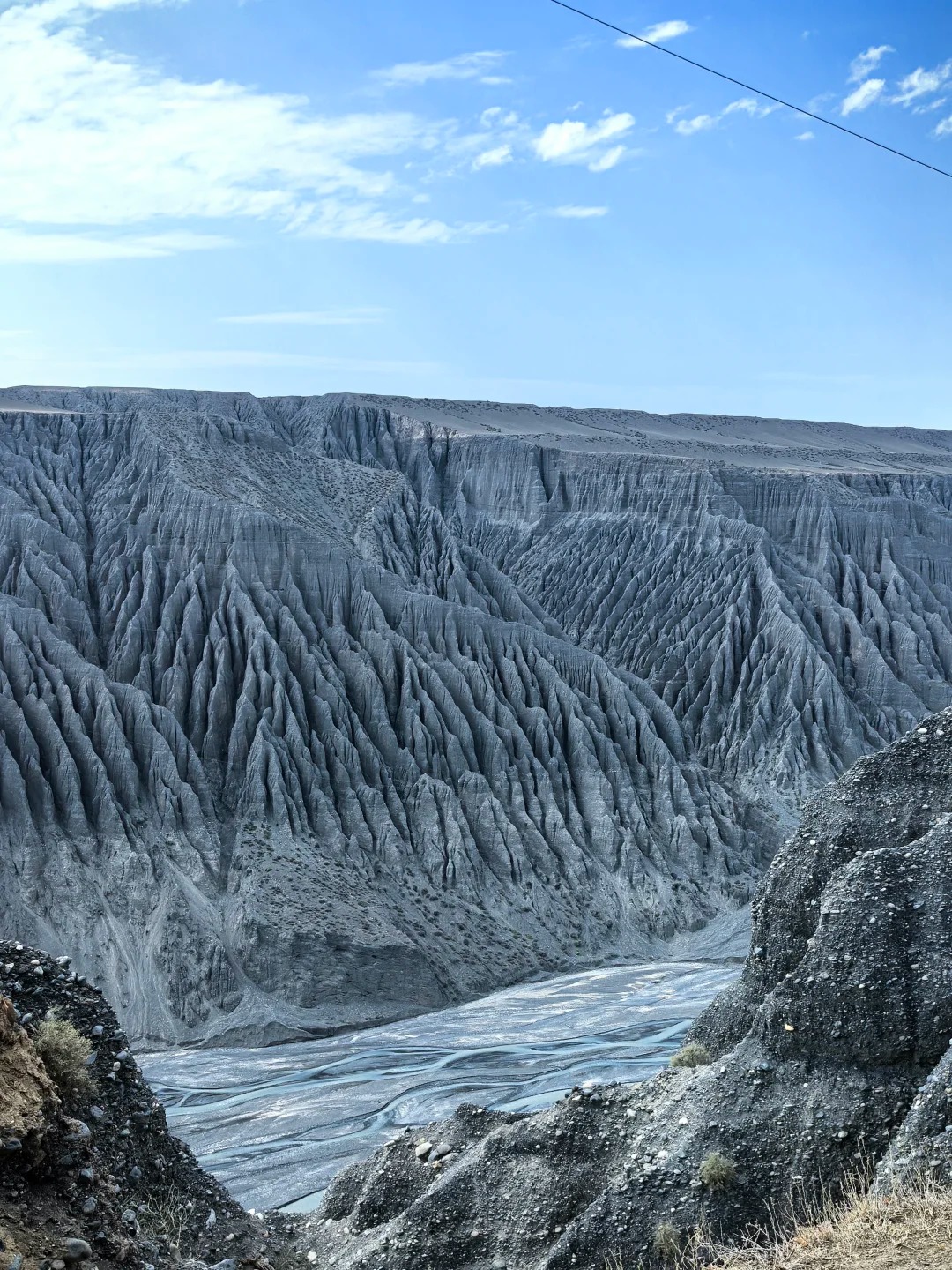
In contrast, the “Ghost City” of Urho presents a completely different kind of beauty. Here, massive rock formations have been sculpted by desert winds into shapes resembling castles, fortresses, and strange towers.
On windy days, the sounds whistling through the rock crevices create an eerie howling that echoes across the desert—a phenomenon that gave rise to its famous name, “Ghost City.”
Five-Colored Beach – A vibrant natural masterpiece
Another destination that leaves visitors in awe is the Five-Colored Beach (Wucaiwan).
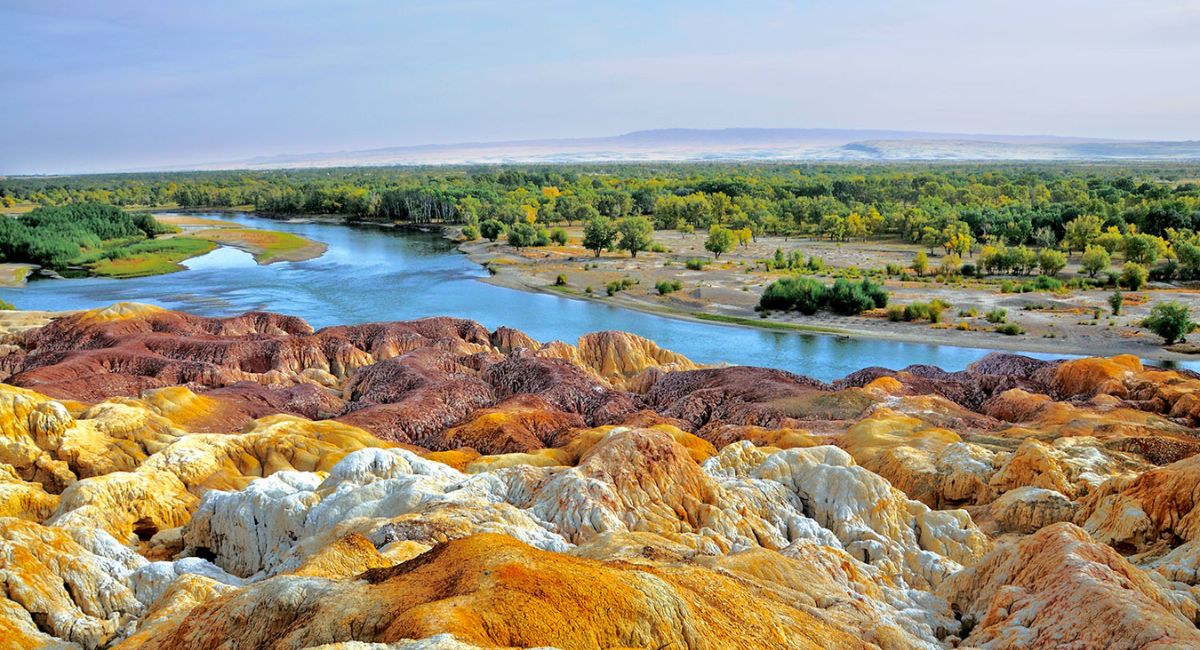
This is a Danxia geological area featuring multicolored rock strata formed over millions of years. At sunset, the rock formations shift through hues of red, yellow, purple, blue, and orange, creating a landscape that resembles a massive oil painting. The striking contrast between the deep blue river and the vibrant cliffs makes this a paradise for photography enthusiasts.
The Best Time to Explore Northern Xinjiang
Northern Xinjiang boasts a unique beauty in every season.
Summer (June to August) is the ideal time to enjoy lush green grasslands, blooming lavender fields, and cool weather.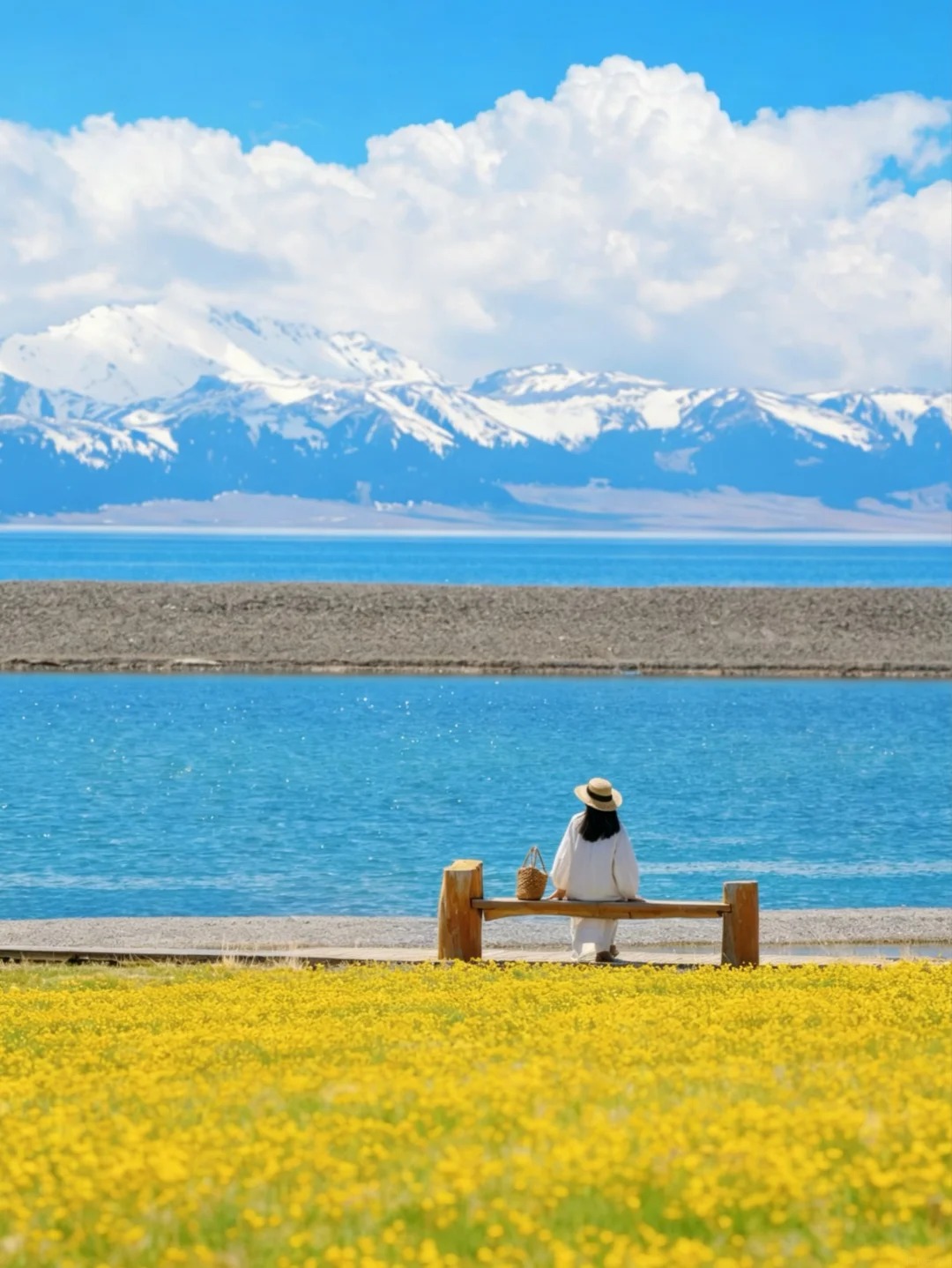
Autumn (September to October) is considered the most beautiful season; golden forests, clear blue skies, and pleasant weather create a rare, romantic atmosphere.
Winter (December to February) transforms the region into a snowy wonderland straight out of a fairy tale.
Tips for Traveling to Northern Xinjiang
Due to the significant distances between attractions, an exploration of Northern Xinjiang typically requires 7 to 10 days.
Travelers should fly to Urumqi, the capital of Xinjiang, and then continue their journey by car. Opting for an all-inclusive tour saves time, optimizes the itinerary, and offers greater convenience when visiting famous sites such as Kanas, Hemu, Yili, and the Urho Ghost City.
Explore Northern Xinjiang with Focus Asia Travel
If you are seeking a unique travel experience in China, Focus Asia Travel offers an 8-day, 7-night summer tour of Northern Xinjiang. The itinerary is carefully optimized and features a “no-shopping” policy, allowing travelers to devote their full attention to the experience itself. This journey takes you to explore Urumqi, Kanas, Hemu, Yining, Sayram Lake, Dushanzi Canyon, Urho Ghost City, and many other famous attractions. Notably, the tour features VIP “2+1” seating coaches, high-quality hotels, and experienced tour guides, ensuring a comfortable and fulfilling travel experience.
If you wish to admire the turquoise waters of Kanas Lake, witness the sunrise in Hemu Village, or immerse yourself in the vast grasslands of Northern Xinjiang, please contact Focus Asia Travel for information on departure schedules, tour prices, and the latest promotional offers.
Contact Focus Asia Travel for a free consultation:
Hotline: (+84) 79 3113879
Email: sales@focusasiatravel.vn
Website: www.focusasiatravel.vn / www.focusasiatravel.com / www.hochieuvisa.vn/