





Why Banh Cuon Is Vietnam’s Most Elegant Traditional Dish

Banh Cuon Holds a Thousand-Year Culinary Story
Banh Cuon is a delicate dish with translucent rice sheets, savory pork filling, and rich dipping sauce.
It represents Vietnamese cuisine and tells stories of history, culture, and creativity. Research suggests banh cuon appeared in northern Vietnam during the 14th century. It is closely linked to Thanh Tri village in Hanoi and a romantic legend. With over 700 years of history, this dish appeared at a state banquet in 2013. It was served to U.S. President Barack Obama. But did you know some restaurants add insect essence to the dipping sauce? This creates a unique and unforgettable flavor. How did this humble dish conquer international tastes?
Imagine the aroma of banh cuon spreading through a Hanoi street in the morning. Vendors skillfully steam thin rice sheets over traditional pots. Thousands of banh cuon shops serve millions of customers each year in Vietnam. It is a familiar breakfast and a symbol of cultural identity. This article explores its origins, meaning, preparation, and surprising aspects. It examines banh cuon through historical, social, and culinary perspectives. It explains why it remains a source of Vietnamese pride.
The Origin of Banh Cuon: From Legend to History
Banh cuon, also called banh uot without filling, originated in northern Vietnam. It is closely associated with Thanh Tri village in present-day Hanoi. According to Vietnamese Wikipedia, it may date back to the 14th century. Historical records appear in An Nam chi luoc by historian Le Tac. The dish was exchanged during the Cold Food Festival. This festival occurs on the third day of the third lunar month. This suggests banh cuon has existed for at least 700 years. It originated during the feudal period when rice was the staple food.
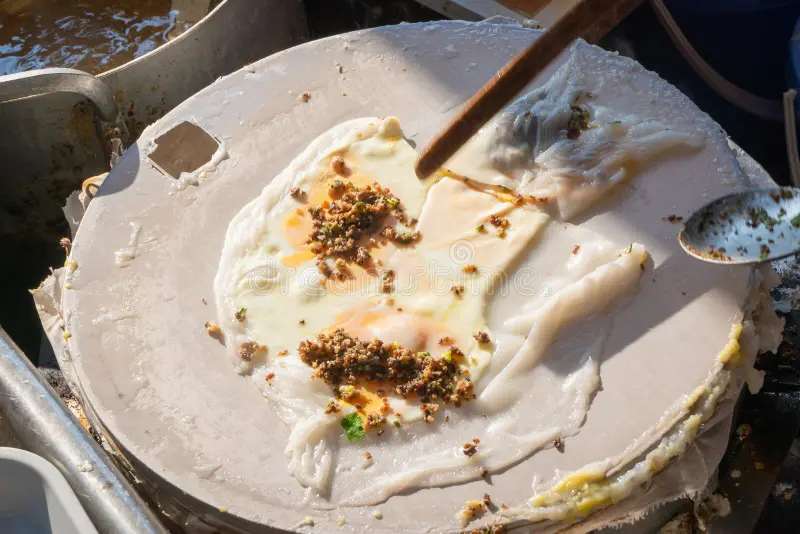
Banh cuon batter is spread thinly over a stretched cloth.
Legend connects banh cuon with a Tay girl named Cuon. She was the daughter of a mandarin in Thanh Hoa. She loved a man named Gio, but her father opposed the relationship. She left home and created a dish from rice, pork, and wood ear mushrooms. This dish expressed her love and creativity. Although folklore, the story highlights Vietnamese women’s culinary creativity. Another theory suggests banh cuon existed during the Hung Kings era. This period dates back over 2,000 years. However, there is limited historical evidence supporting this claim.
Quantitative analysis shows banh cuon reflects historical economic and social conditions. Rice was the main ingredient and agricultural staple. Rice accounted for most agricultural production during the feudal era. The dish used available resources to create nutritious meals. Compared to pho sheets or rice paper, banh cuon uses steaming techniques. This creates a softer and more delicate texture. Its preparation makes it unique in Vietnamese cuisine.
Cultural Significance
A Symbol of Connection and Elegance
From a cultural perspective, banh cuon is more than just a dish. It symbolizes family connection and culinary refinement in Vietnamese culture. According to culinary sources, banh cuon is a popular Hanoi street food. It is commonly eaten for breakfast or light meals. Over 70% of inner-city residents choose it daily, based on informal surveys. These surveys come from local food vendors. Within families, making banh cuon is a shared activity. Family members prepare batter, steam sheets, and make fillings together. This process reflects unity, cooperation, and cultural tradition.
Express reverence
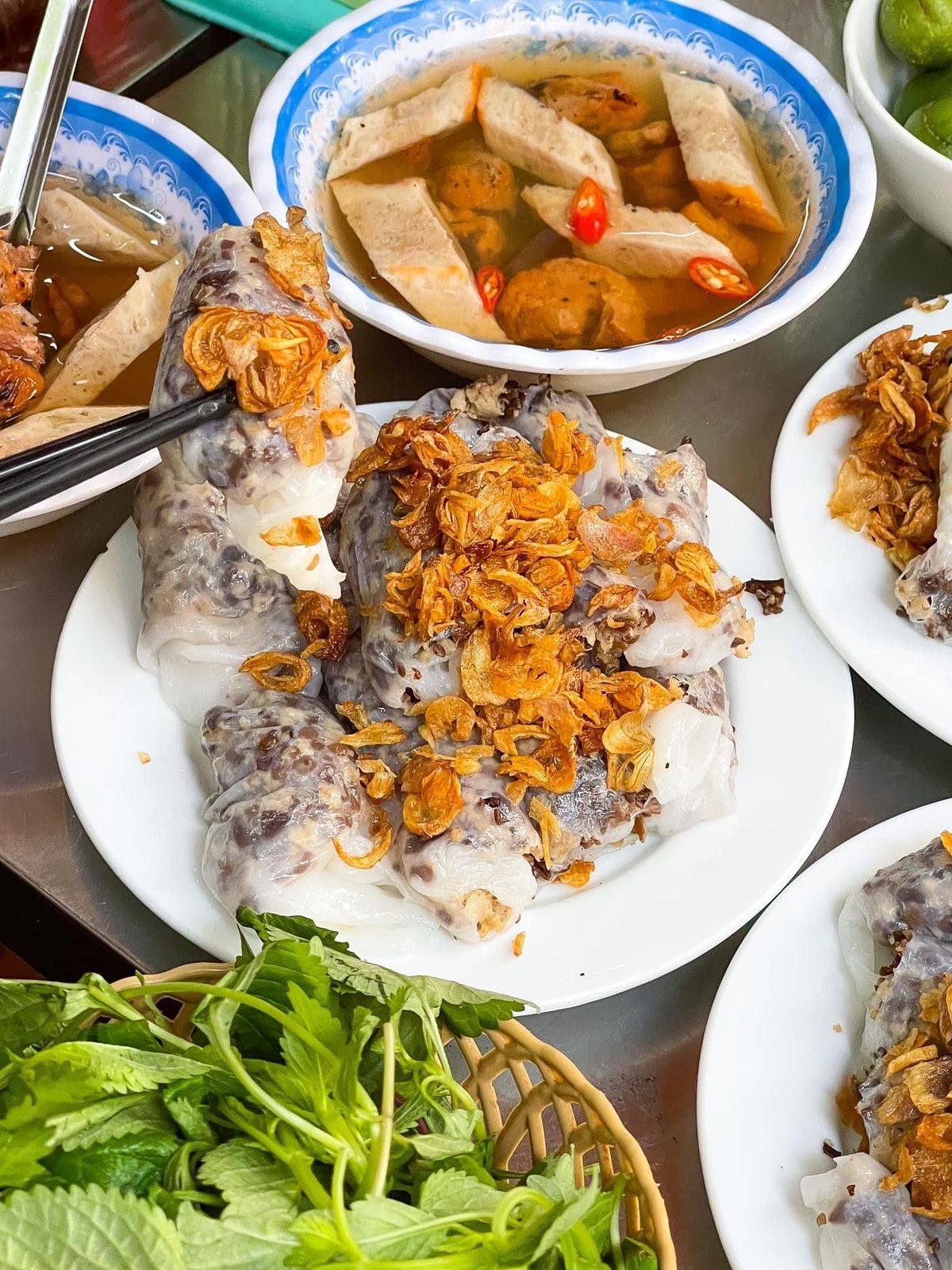
Banh cuon is enjoyed with aromatic herbs and crispy fried shallots.
This dish holds special meaning during traditional festivals. During the Cold Food Festival, families prepare banh cuon to honor ancestors. In some regions, it replaces banh troi and banh chay. A notable milestone occurred in 2013. Thanh Tri banh cuon was served at a state banquet in Hanoi. It was prepared for U.S. President Barack Obama. This elevated the humble dish to diplomatic status.
This event showed banh cuon represents more than food. It became a way for Vietnam to introduce its culture globally.
The Art of Preparation and Regional Variations
The Recipe Creates Banh Cuon
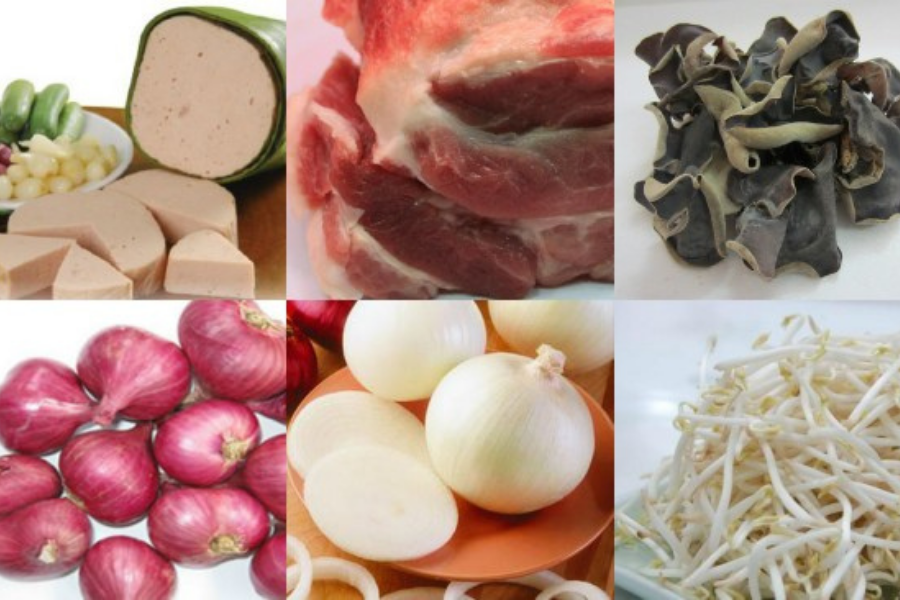
The banh cuon filling is complex and includes many ingredients.
Making banh cuon is a delicate culinary art. The basic batter includes rice flour, tapioca starch, salt, and water. Rice flour accounts for about 70 percent of the mixture. Tapioca starch provides elasticity and softness. The ingredients are mixed into a smooth liquid batter. The batter is steamed on stretched cloth or nonstick pans. Steaming takes one to two minutes to form thin sheets.
The filling usually includes minced pork, wood ear mushrooms, and shallots. These ingredients are stir-fried with oil and seasonings. The filling is then wrapped inside the rice sheets. A serving of five to six rolls provides 350 to 400 calories. This makes banh cuon suitable for breakfast.
Banh Cuon Varies Across Different Regions
Banh cuon has many regional variations across Vietnam. Thanh Tri banh cuon is famous for its paper-thin texture. It contains pork and wood ear mushroom filling. It is served with Vietnamese pork sausage. In southern Vietnam, banh uot without filling is popular. It is served with fresh herbs and pork sausage. Banh cuon in Nam Dinh has unique ingredients and presentation.
From a nutritional perspective, banh cuon provides carbohydrates from rice, protein from meat, and vitamins from herbs. However, the oil in fillings and dipping sauce requires moderation. Typically, one to two tablespoons of oil are used.
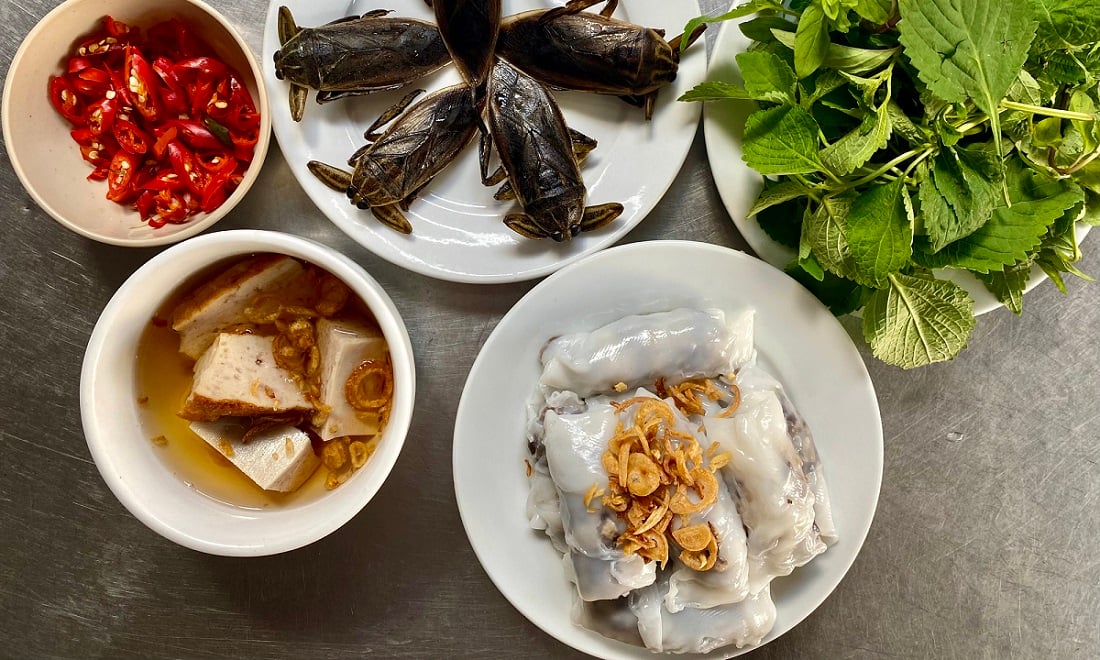
The dipping sauce mixed with belostomatid essence adds deeper flavor
Some Hanoi restaurants add belostomatid insect essence to dipping sauce. This creates a strong and distinctive aroma. This ingredient surprises many international diners. Modern methods use nonstick pans instead of stretched cloth. This simplifies preparation while preserving traditional flavor. This approach appears in contemporary Vietnamese recipes.
Banh Cuon: Culinary Heritage and the Future Ahead
Banh cuon proves Vietnamese creativity and craftsmanship. It originated in northern Vietnam over 700 years ago. It has become a cultural symbol in family life and diplomacy. Its delicate rice sheets, savory filling, and unique sauce create a memorable experience. It is more than food.
It connects tradition and modern life. Details like insect essence in sauce show its cultural depth. Its presence at state banquets shows global recognition. These examples highlight its adaptability and lasting importance.
Banh cuon teaches the value of combining heritage and innovation. Researchers can explore its origins through historical documents. Chefs can create modern variations, including vegan or low-oil versions. Readers can try making banh cuon at home using simple recipes. They can also visit famous banh cuon restaurants in Hanoi. This offers an authentic cultural experience.
Whether humble or international, banh cuon will continue its story. It remains a lasting symbol of Vietnamese culinary heritage.