





Top 10 “Unexplainable” Things You Will Encounter in Vietnam

Although visitor numbers to Vietnam keep rising, many local habits still surprise first-time visitors. Travel writer Brian Johnston shared real experiences and ten “hard to understand” things in Sydney Morning Herald. He described them after visiting Vietnam.
Street Food Preparation Methods
Travel writer Brian Johnston believes Vietnamese street food is truly miraculous. Visitors struggle to imagine cooking inside such narrow, simple kitchens. Local chefs balance flavors and textures precisely, right on the sidewalk. Bánh mì stands out with strict preparation standards and globally rare flavors. Its taste is difficult to find elsewhere worldwide. This commonly occurs in major cities like Hanoi and Ho Chi Minh City.
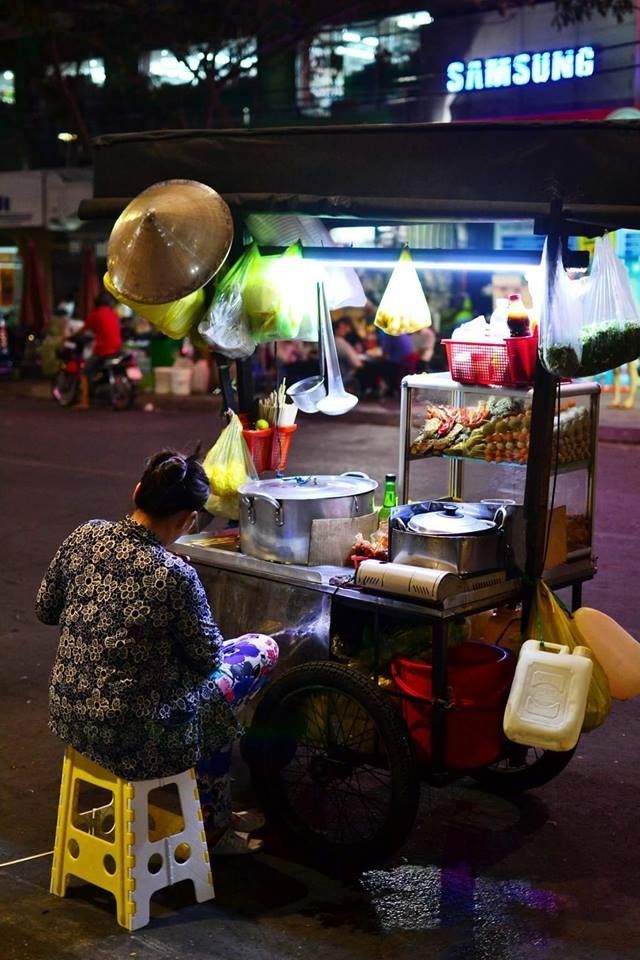
Small Carts Carrying the Flavors of Vietnam
The “Art” of Controlling Traffic

Traffic Without Lane Markings
Traffic in major cities mixes motorbikes, cars, and mobile street vendor carts. At intersections without signals, vehicles keep moving through observation and driver reflexes. Many foreign visitors learn Vietnam’s pedestrian crossing rule quickly. Walk slowly, steadily, and never stop suddenly.
The Plastic Chair Paradox

Chairs Used to Hold Food in Vietnam
One of the strangest experiences for Brian Johnston was enjoying delicious food on the world’s lowest plastic chairs. Diners sit hunched on tiny plastic stools, knees folded close to their bodies. Despite physical changes across generations, these tiny chairs remain everywhere. They remain a distinctive cultural feature.
The Carrying Capacity of Motorbikes

Vietnamese Mastery of Arrangement
Brian Johnston was astonished by how motorbikes transport bulky goods in Vietnam. They carry gas cylinders, fresh food, furniture, and multiple passengers. Riders load, arrange, and balance cargo with remarkable precision.
The Culture of Using Vehicle Horns

Honking helps vehicles move without clear lane markings.
Vehicle horns are the dominant sound on Vietnamese streets. People use horns to warn danger or request passage. They also express urgency or impatience. Brian Johnston noted horns sound immediately when lights turn green. This happens if the vehicle ahead has not moved yet.
Hospitality

Vietnamese people communicate with foreign tourists regardless of language differences. They use gestures, smiles, and patience to connect.
After a few days in Vietnam, visitors feel the friendliness of local people. Their open and warm attitude welcomes all travelers. It creates a safe, accessible, and inclusive travel environment.
Overhead Electrical Wire Networks

Utility Poles in Vietnam
While major cities like Ho Chi Minh City are burying power lines underground, many suburbs still use overhead cables. Electrical and telecom wires remain tangled into dense clusters on utility poles. Australian traveler Brian Johnston described them as giant bird nests. They hang overhead and block building facades.
The Challenge of a Currency With Many Zeros
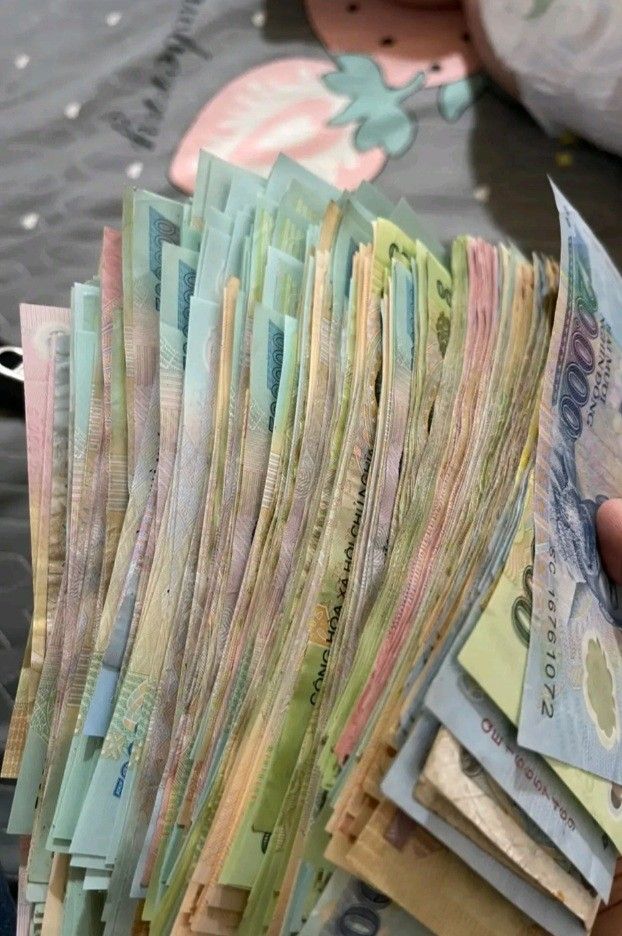
Currency in Vietnam
Pricing goods becomes complicated for visitors because banknotes contain many zeros. Polymer banknotes share similar colors and cause frequent confusion during cash transactions.
The Popularity of the Nguyen Surname
About 40% of people in Vietnam share the Nguyen surname. Tran and Le are the next most common surnames. To avoid confusion, Vietnamese use given names in daily communication. This differs from Western cultures, which emphasize family names.
Misleading Advice on the Internet
Many travel websites warn visitors not to touch others’ heads in Vietnam. In reality, this is basic politeness worldwide, not unique to Vietnam. Brian Johnston believes some online rules are exaggerated. They do not always reflect real daily life.