






The Difference Between Hanoi Beef Pho and Saigon Beef Pho

Saigon Pho and Hanoi Pho: Differences in Flavor
On Vietnam’s culinary map, Saigon pho and Hanoi pho are more than dishes. They are symbols of the country’s cultural diversity and rich culinary heritage. Each bowl of pho tells its own story.
It reflects the unique culture and lifestyle of each region. This creates a culinary journey of constant discovery. A journey immersed in distinctive flavors. From Saigon’s vibrant streets to Hanoi’s peaceful old quarters.
Rice Noodles (Pho Noodles)
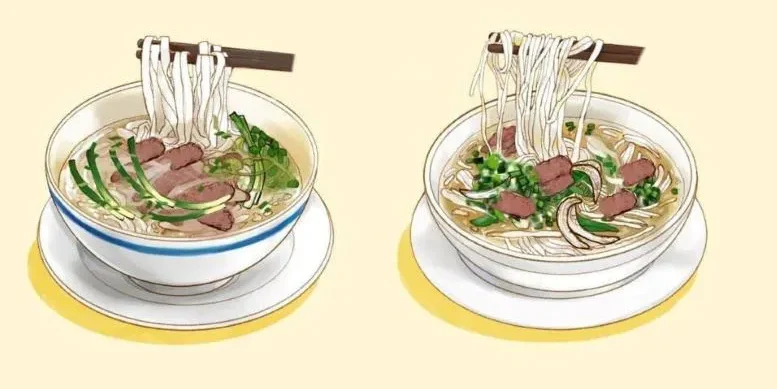
Differences in rice noodle size and texture are a defining characteristic.
(Photo: Pho Thin Viet)
The first noticeable difference between the two pho styles is the rice noodles. Hanoi pho noodles are thin, flat, and delicate. They create a light and gentle texture when eaten. Saigon pho noodles are rounder and thicker. They are softer, more elastic, and sometimes resemble hu tieu noodles. Differences in size and texture highlight distinct culinary styles. They reflect the diverse food cultures of Vietnam’s two major cities.
Broth
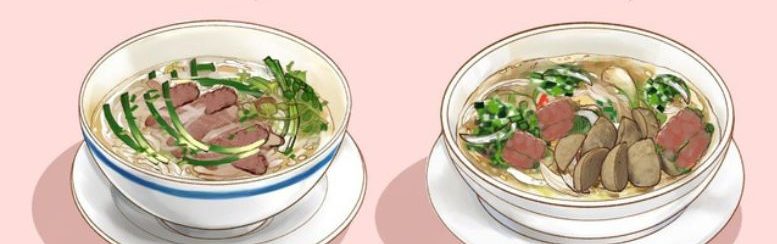
The Broths of Saigon Pho and Hanoi Pho Are Different
Saigon pho broth is usually simmered from chicken or beef bones. Its flavor comes mainly from the bones’ natural sweetness. A small amount of ginger is added for aroma. The broth is richer, often cloudier, with a light fat layer on top.
Hanoi pho broth is mainly made from beef bones and dried sea worms. These ingredients create a naturally sweet and refined taste. Spices like star anise, cinnamon, ginger, and cardamom define its aroma. Hanoi pho broth is clear, light, and more delicate in flavor.
Presentation

The presentation of Hanoi pho and Saigon pho is also different
When enjoying pho in Saigon, it is often served with a plate of fresh herbs. These include cilantro, sawtooth herb, blanched bean sprouts, and culantro. Fresh herbs add brightness and layered flavors to the dish.
In contrast, Hanoi pho is commonly served with quay. Quay is a crispy fried bread, cut into long pieces. The light sweetness of the broth pairs with the crunch of quay. This combination reflects Hanoi’s traditional serving style.
Preparation Method

There are many differences between Saigon pho and Hanoi pho
Saigon pho is mainly served as a noodle soup. It comes with various meats like rare beef, brisket, flank, or beef balls. Side options are flexible and varied. They cater to different personal tastes.
Hanoi pho is often transformed into different dishes. These include fried pho, stir-fried pho, and pho rolls. These variations create diverse experiences from the same ingredients. They highlight the dish’s unique northern creativity.
Condiments and Accompaniments
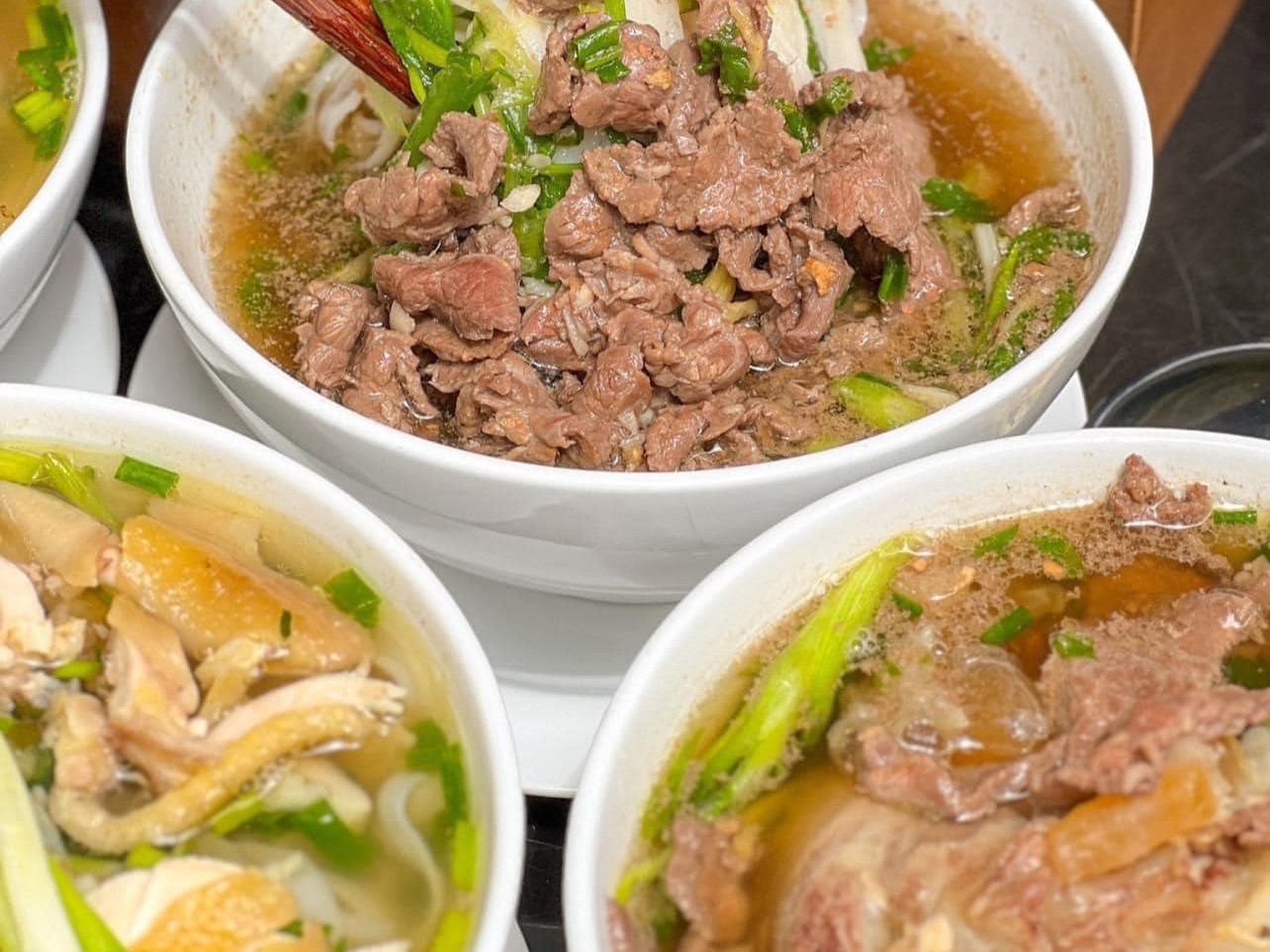
The condiments served with Saigon pho and Hanoi pho are different
When eating Saigon pho, diners often add sweet hoisin sauce. Chili sauce, fish sauce, and lime with chili enhance the flavor. These condiments create a bold and customizable taste.
Hanoi pho is usually paired with garlic vinegar. Ground chili, lime with chili, and fish sauce are also common. These seasonings preserve a balanced and refined flavor profile.
Conclusion
Through this article, we can clearly see Vietnam’s rich and diverse food culture. Although both are pho, each region has its own preparation and serving style. These differences create unique identities and flavors across the country.