






Savor Japan: A Culinary Journey Through Japan’s Iconic Dishes

The Uniqueness of Japanese Dishes
Start a culinary adventure across Japan and discover the rich flavors of its unique cuisine. From lively street markets to upscale sushi restaurants, Japanese food culture offers an exciting experience. It is a journey of taste waiting for you to explore and enjoy. This guide introduces some of the most popular dishes you must try in Japan. These dishes reflect the culture and traditions of the Japan. Enjoy discovering the iconic flavors of the Land of the Rising Sun.
Sushi: The Art of Simplicity
Characteristics of Japanese Cuisine
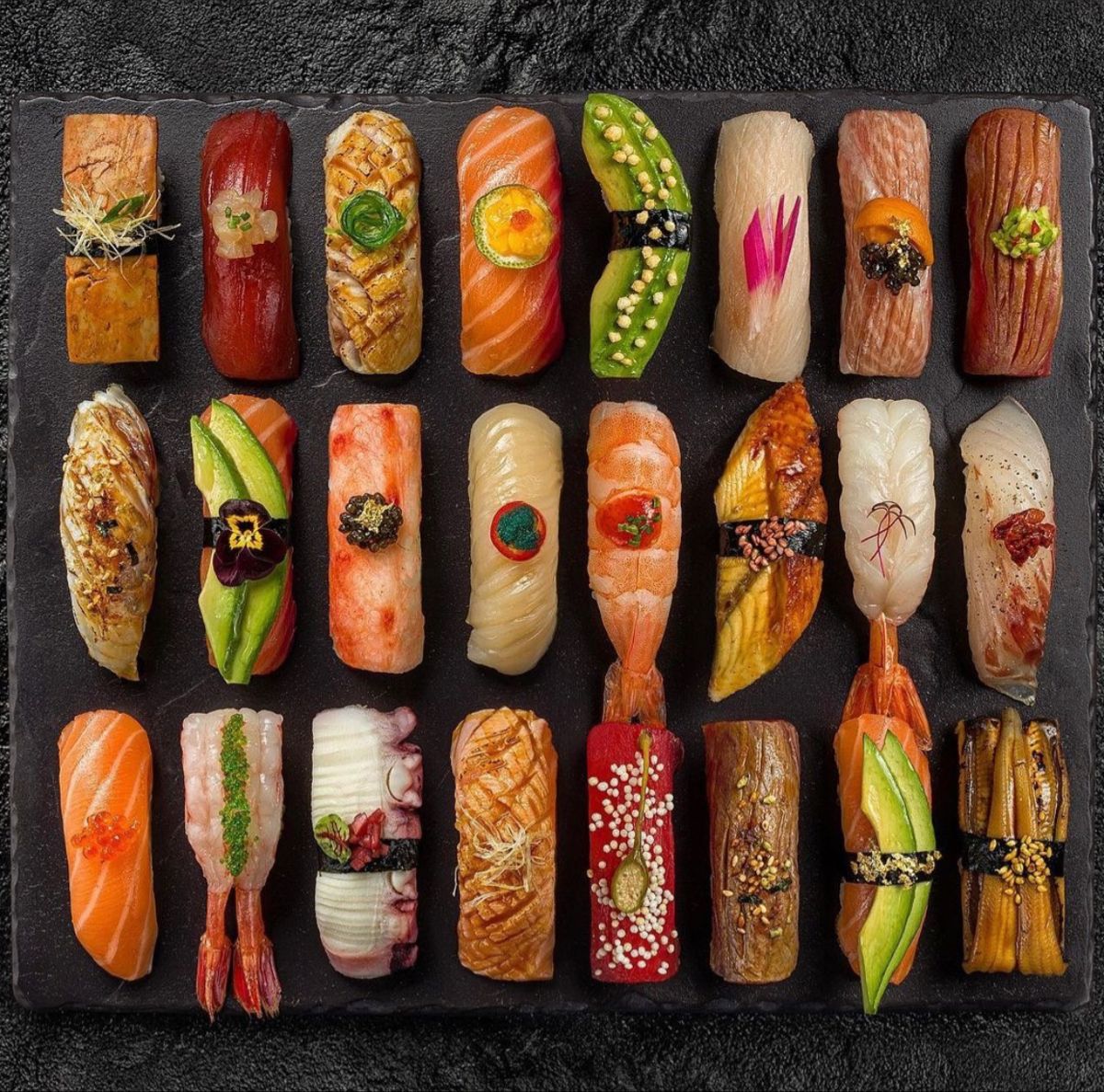
Discovering Japanese cuisine would not be complete without tasting sushi. This world-famous dish combines vinegared rice with ingredients like raw fish, vegetables, and sometimes tropical fruit. Sushi can be enjoyed in several forms with unique preparation styles. Popular types include nigiri, hand-pressed sushi served with seafood on rice. Another common type is maki, which features rice and fillings rolled in seaweed. You can also try sashimi, thin slices of fresh raw fish served without rice.
Nigiri Sushi
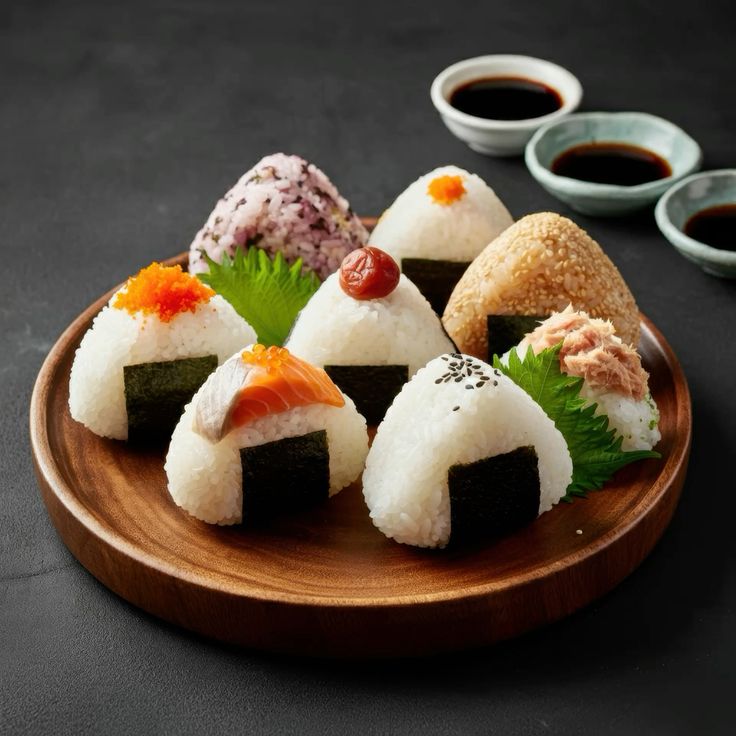
Onigiri: A Simple Everyday Food in Japan
Nigiri is easy to recognize because of its distinctive structure. A small ball of vinegared rice is gently pressed by hand. A slice of raw fish is placed on top of the rice. A small amount of wasabi is often added between the rice and fish. The simplicity of nigiri highlights the freshness of the seafood. Popular toppings include tuna, salmon, and eel.
Maki Sushi
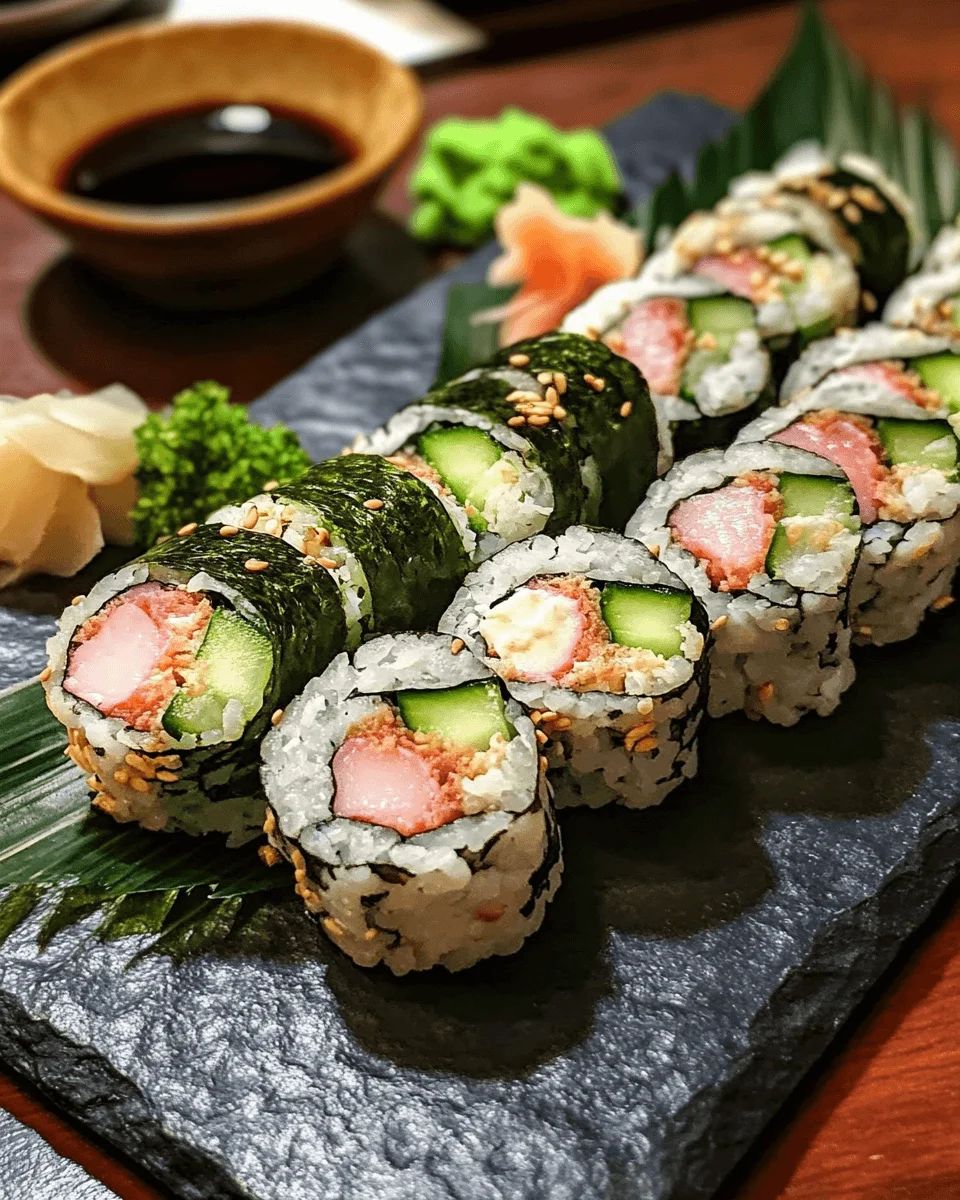
Maki sushi is made by rolling vinegared rice and fillings in a sheet of nori. The roll is then sliced into small, bite-sized pieces. Different ingredients create a wide variety of flavors and textures. Popular fillings include fish, vegetables, and sometimes egg. There are several types of maki sushi with different sizes and styles. Hosomaki are thin rolls with a simple filling. Futomaki are thicker rolls with multiple ingredients inside.
Sashimi
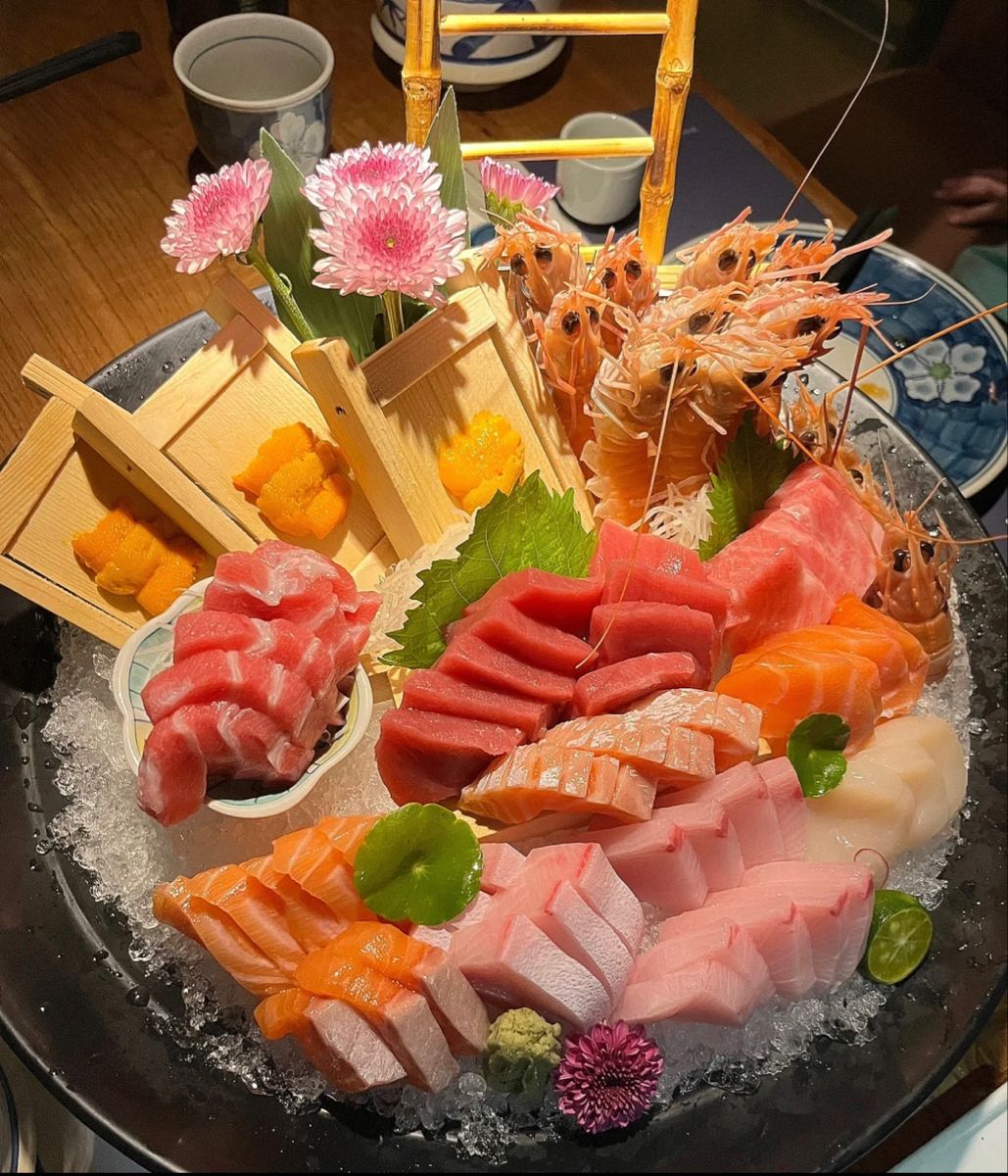
Sashimi is prepared with minimal processing to preserve its original flavor.
Technically, sashimi is not sushi, but it is often served with sushi. Sashimi consists of fresh, high-quality raw fish or seafood. The seafood is carefully sliced into thin pieces. This dish allows people to enjoy the natural flavor of fresh seafood. It highlights freshness, texture, and careful knife skills. Popular types include maguro, which is tuna sashimi. Other common choices are ebi, shrimp, and tako, octopus.
Ramen: Comfort Food
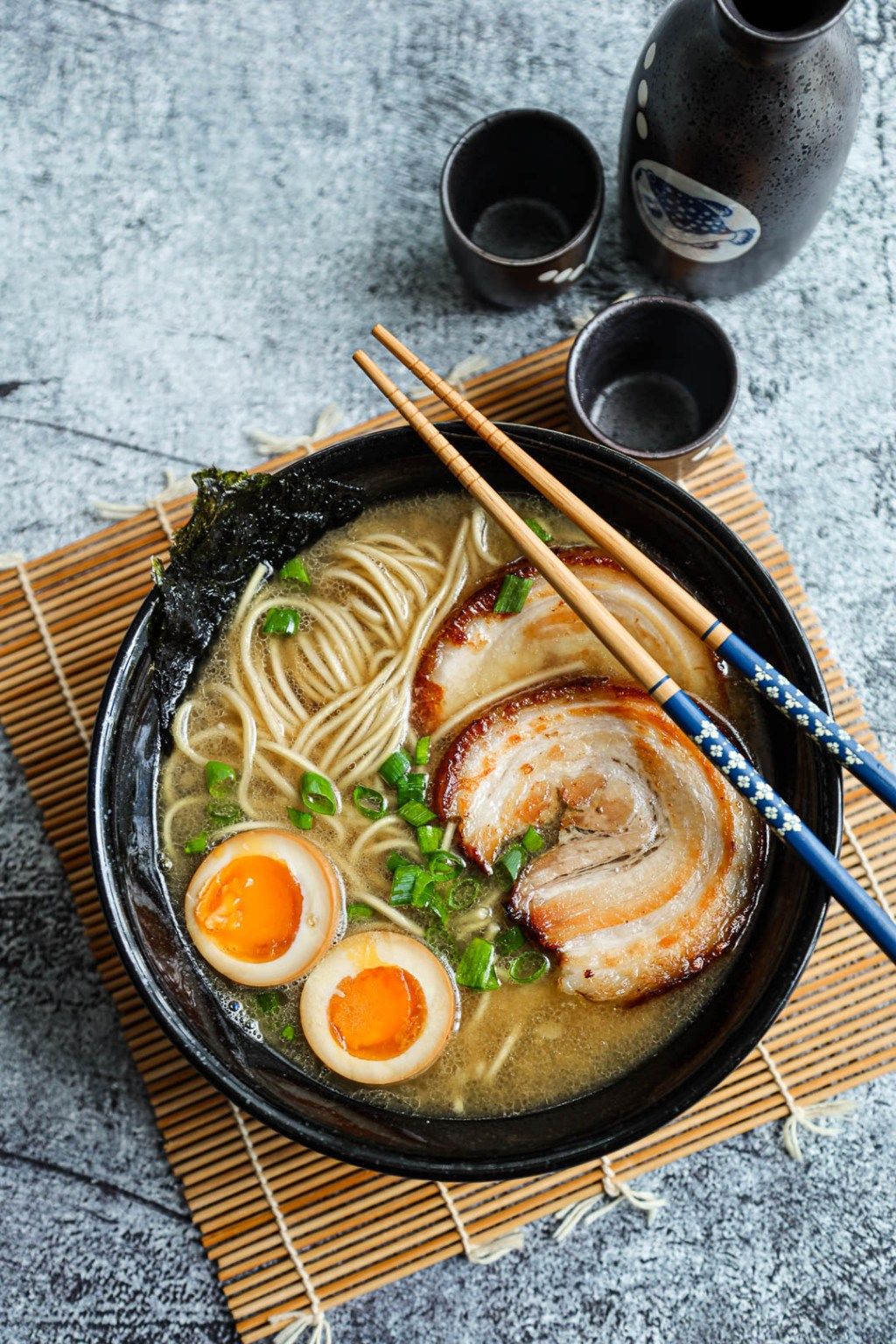
This popular dish often appears in many television programs.
Ramen is a popular Japanese dish enjoyed for its rich flavor and comforting warmth. It consists of Chinese-style wheat noodles served in a savory broth. The dish is usually topped with a variety of ingredients. Common toppings include sliced pork, soft-boiled eggs, seaweed, and green onions. Ramen has many regional variations across Japan. Each region offers different broths, noodles, and toppings. The key elements of ramen include the broth, noodles, and toppings.
Broth
The broth is the soul of ramen and comes in several different styles.
Shoyu: A soy sauce–based broth that is clear and brown in color. It offers a simple yet flavorful taste.
Miso: A broth made with fermented soybean paste. It provides a rich and aromatic flavor.
Tonkotsu: A thick and creamy broth made from pork bones. It originated in Fukuoka on Kyushu.
Shio: A salt-based broth that is usually light and clear. It is ideal for highlighting delicate ingredients.
Noodles
Ramen noodles vary depending on the style of ramen served. They can be thin and straight or thick and wavy. Texture and firmness are very important in ramen. The noodles must complement the flavor and richness of the broth.
Toppings
Ramen is often served with a variety of delicious toppings. Common toppings include chashu, which is braised pork belly. Menma, fermented bamboo shoots, adds a unique texture. Nori, dried seaweed, provides a light ocean flavor. Aji-tamago is a soft-boiled egg marinated in soy sauce. Each topping adds its own flavor and texture to the dish.
Tempura: Light and Crispy Perfection
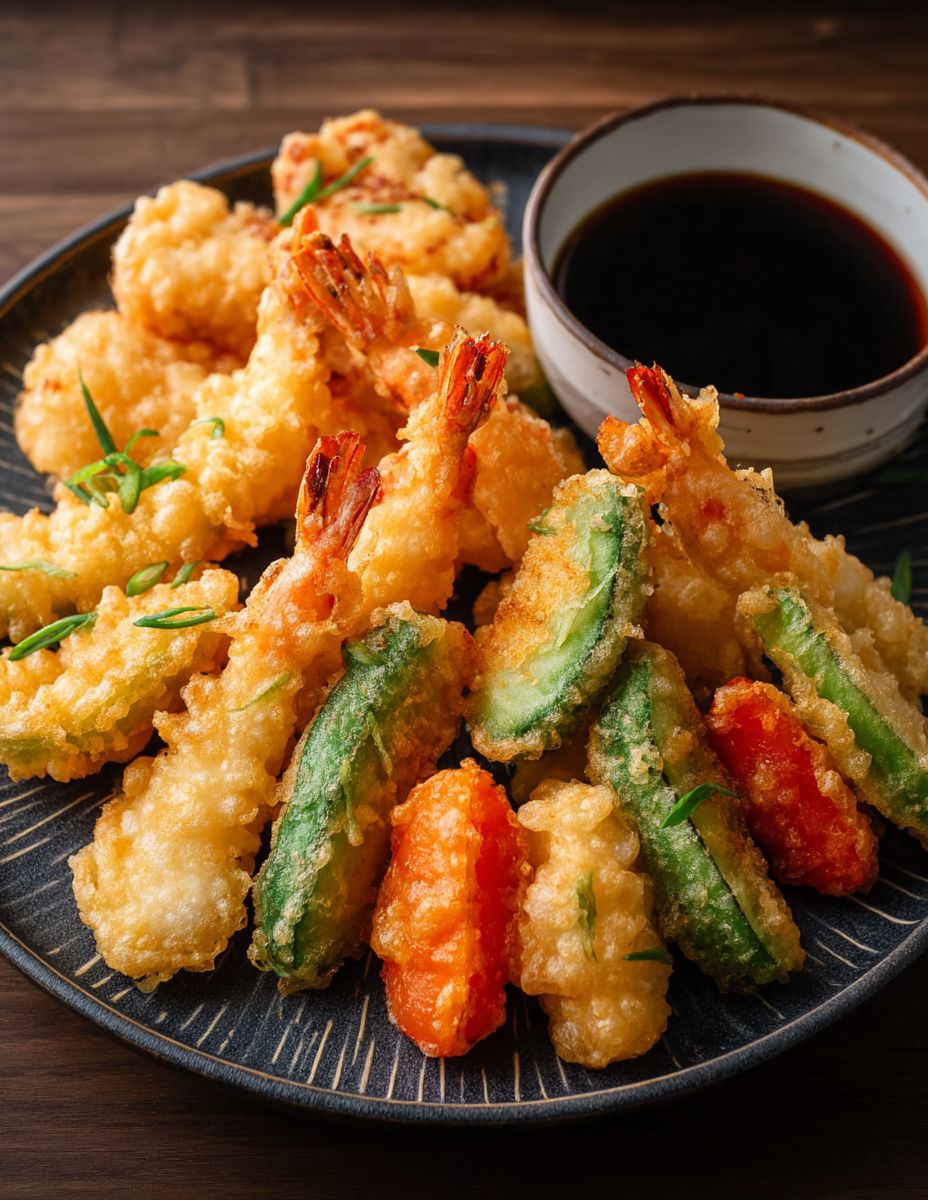
Tempura is a famous Japanese dish known for its light and crispy texture. It consists of seafood or vegetables coated in a thin batter. The ingredients are quickly deep-fried in hot oil. This technique creates a delicate and crunchy coating. Common tempura ingredients include shrimp, sweet potato, and pumpkin. Tempura is usually served with a light dipping sauce. It is often enjoyed with rice or noodles in Japan.
Yakiniku: Japanese Grilled Meat
Yakiniku means “grilled meat” in Japanese. It is a popular way of cooking meat and vegetables over direct heat. Diners usually grill the food themselves at the table. This makes yakiniku a fun and interactive dining experience. It is also a social activity enjoyed with friends and family in Japan.
Meat Choices
Many types of meat are used in yakiniku dishes.
Beef: Thin slices such as sirloin, short ribs, and beef tongue are very popular.
Pork: Cuts like pork belly and pork shoulder are commonly used.
Chicken: Chicken is often marinated to add extra flavor before grilling.
Okonomiyaki: Japanese Savory Pancake

Okonomiyaki is a flavorful Japanese savory pancake. It is made with flour batter, eggs, and chopped cabbage. Various ingredients can be added depending on personal preference. The name “okonomiyaki” roughly means “grill what you like.” This reflects the customizable nature of the dish in Japan.
Ingredients
Okonomiyaki can include many different ingredients.
Sliced Pork Belly:
Adds rich flavor and a tender texture.
Seafood:
Popular options include shrimp, squid, and octopus.
Cheese:
Adds a creamy and savory taste to the pancake.
Toppings
After cooking, okonomiyaki is topped with several sauces and garnishes. Common toppings include okonomiyaki sauce and mayonnaise. It is also served with bonito flakes and aonori seaweed powder. These toppings create a perfect balance of sweet, savory, and rich flavors.