





Korean New Year Traditions in the Land of Kimchi

Lunar New Year in South Korea (Seol or Seollal) is one of the biggest holidays of the year. It features many traditional art performances and folk games across the country.
Clean the house to purify the space and welcome the New Year
Similar to Vietnam, in South Korea, cleaning the house before Lunar New Year (Seollal) holds deep spiritual meaning. Koreans believe that thoroughly cleaning their living space not only makes the home tidy. It also symbolizes removing bad luck and negative energy accumulated during the old year. This is considered an important step to welcome a smoother and luckier new beginning.
Korean Lunar New Year Festival
This activity usually takes place during the final days of the lunar year. All family members participate together in the cleaning. They mop the floors, wash blankets, clean the ancestral altar, and rearrange furniture. According to folk beliefs, entering the New Year with a clean and tidy home brings blessings. It also invites health and prosperity for the whole family.
Beyond its spiritual meaning, cleaning also reflects traditional values in Korean society. Family plays a central role in these values. It is a time for generations to work together in preparation. This creates stronger bonds and a sacred feeling before the New Year transition.
Taking a hot bath before New Year’s Eve: a ritual to cleanse the body and mind
Before New Year’s Eve, many Koreans take a hot bath as a cleansing ritual. This practice symbolizes purification of both body and mind. It represents washing away fatigue, bad luck, and negativity from the old year. It helps people enter the new year feeling refreshed and renewed. In traditional East Asian culture, water symbolizes purification and rebirth. Koreans believe cleansing the body before the new year has spiritual meaning. It prepares them to welcome good fortune and new opportunities.
Today, this custom is still maintained in more modern forms. Many people choose to bathe at home before the New Year. Others visit Jjimjilbang, traditional Korean public bathhouses. These places offer relaxation and a shared cultural experience during the holiday.
Burning bamboo and making loud noises: driving away evil spirits and protecting the New Year
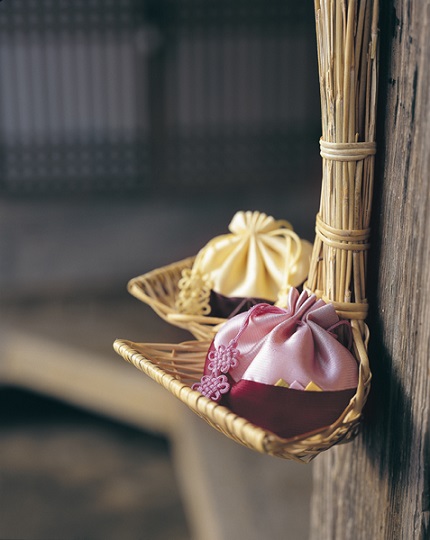
Koreans burn bamboo and hang shovels during the Lunar New Year.
Another ancient custom is making loud noises on New Year’s Eve. People sometimes burn bamboo or similar materials to create these sounds. When bamboo burns, its joints explode and produce sharp, loud cracks. In the past, people believed these sounds could drive away evil spirits. They thought the noise would prevent bad spirits from entering the home. This custom reflects a common belief in many Asian cultures. Supernatural forces can be pushed back by strong light and loud sound. Similar to firecrackers in other countries, exploding bamboo symbolizes protection. It represents a safe and peaceful beginning for the family in the new year.
Today, burning bamboo is no longer widely practiced due to fire safety regulations. However, its symbolic meaning of driving away evil spirits still remains. This idea continues through modern forms such as bells, sounds, and other traditional rituals.
Staying awake on New Year’s Eve (yaegyeong): protecting wisdom and welcoming good fortune
One of the most interesting customs is staying awake all night on New Year’s Eve. This practice is called “yaegyeong” (야경). According to folk legend, sleeping that night brings strange consequences. People believed eyelashes would turn white by New Year’s morning. They also believed the mind would become less sharp. This story symbolically reminds people to stay alert for the new year. Beyond legend, staying awake carries sacred meaning. It marks the moment between the old year and the new year. Koreans believe staying awake helps them receive fresh universal energy. It ensures they do not miss incoming good fortune.
In the past, families talked, told stories, and drank tea together. They joined traditional activities to remain awake through the night. Today, the custom still exists in modern forms. Many people watch television or spend warm moments with family.
Warm family reunions during Korean Lunar New Year
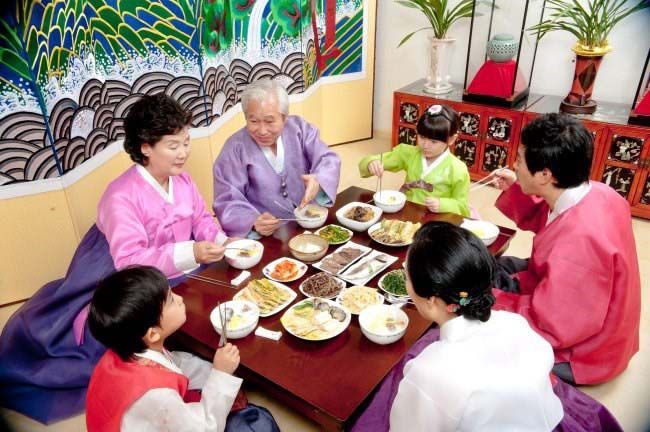
Everyone wears traditional clothing and gathers together to share a festive meal.
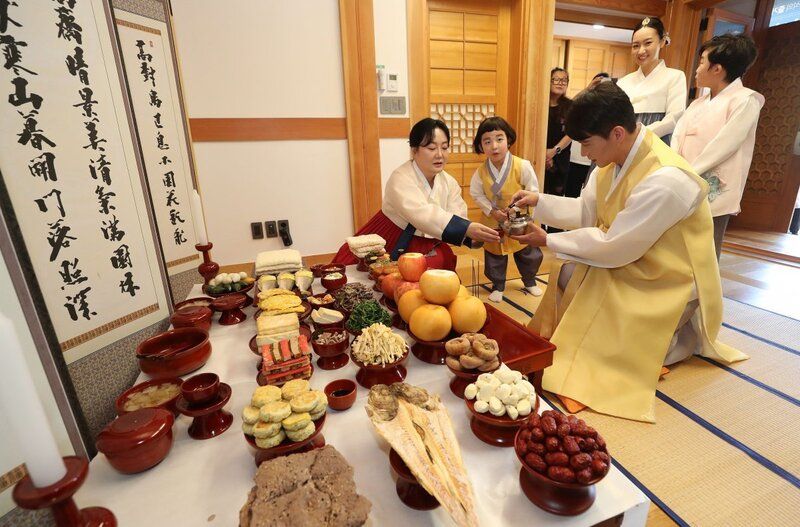
The traditional New Year is a time for distant family members to reunite. They return home to gather in harmony and love. Many Koreans begin the year with a Confucian ritual called Charye. The whole extended family wears colorful new Hanbok, known as seolbim. They gather at the home of the eldest son. A low table is prepared with ritual papers and ceremonial dishes. Traditionally, families honor up to four generations of ancestors.
After sharing ritual food, younger members perform Sebae by bowing deeply to elders. They present New Year gifts to show respect. Elders respond with advice called deokdam and New Year blessings. They may also give lucky money known as sebaetdon to children. Afterward, the family enjoys traditional games together. Popular games include Yutnori and Go-Stop. Outdoor activities include kite flying and tug of war. Families also play Neolttwigi, Tuho, and Jegichagi.
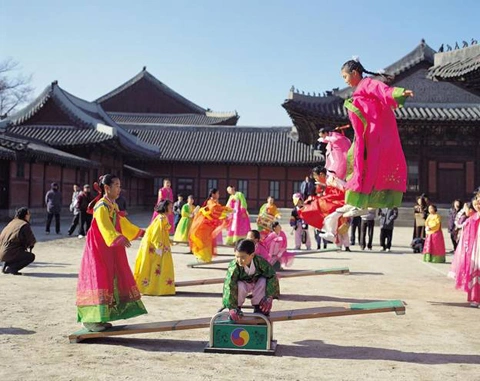
Traditional Korean folk games
The Korean Lunar New Year feast table
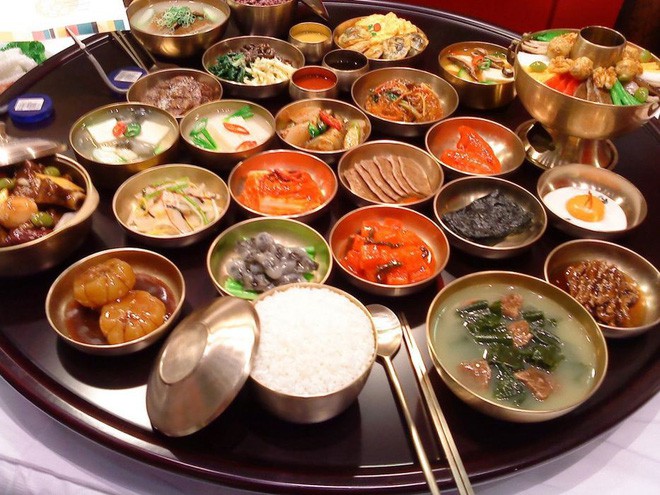
A remarkably diverse feast on the Korean Lunar New Year table
Beyond special rituals, Korean New Year cuisine is rich and beautifully presented. It captivates diners with its variety and vibrant colors. Like Vietnam, the ritual table is elaborate and carefully arranged. It often includes more than twenty traditional dishes. Common items include wild vegetables, rice cakes, fish, and Galbijjim. Families also serve Japchae and the main dish Tteokguk. Tteokguk symbolizes gaining a year of age in the new year. During the holiday, families gather to enjoy rice wine together. They also drink omija tea with its five distinct flavors. Other dishes include gakkimchi, a green leaf kimchi. Popular favorites include Bulgogi and mung bean pancakes. Desserts often feature Sujeonggwa, a traditional sweet drink.
The New Year is also a time for Korean families to enjoy spring outings. They pick lucky branches or travel together after a year of hard work. Some choose to celebrate in countries with similar cultural traditions. This trend is also common among Vietnamese families. Today, many local travel agencies offer Lunar New Year tours to South Korea. These tours feature numerous exciting attractions and cultural experiences.