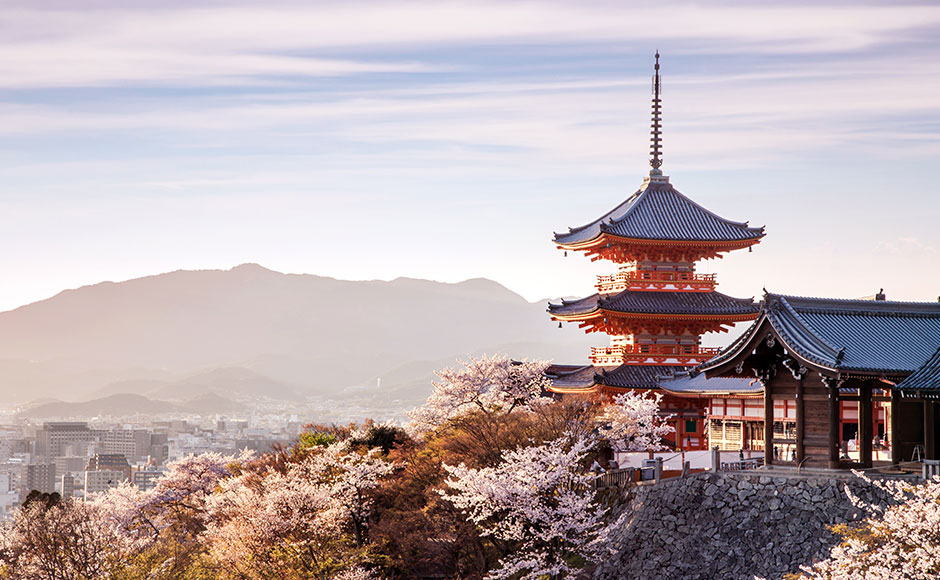
Greetings and Communication: Be Punctual and Polite
Japanese people highly value punctuality. Arrive early for appointments with guides, restaurant reservations, or taxi bookings. Being late is often considered disrespectful.
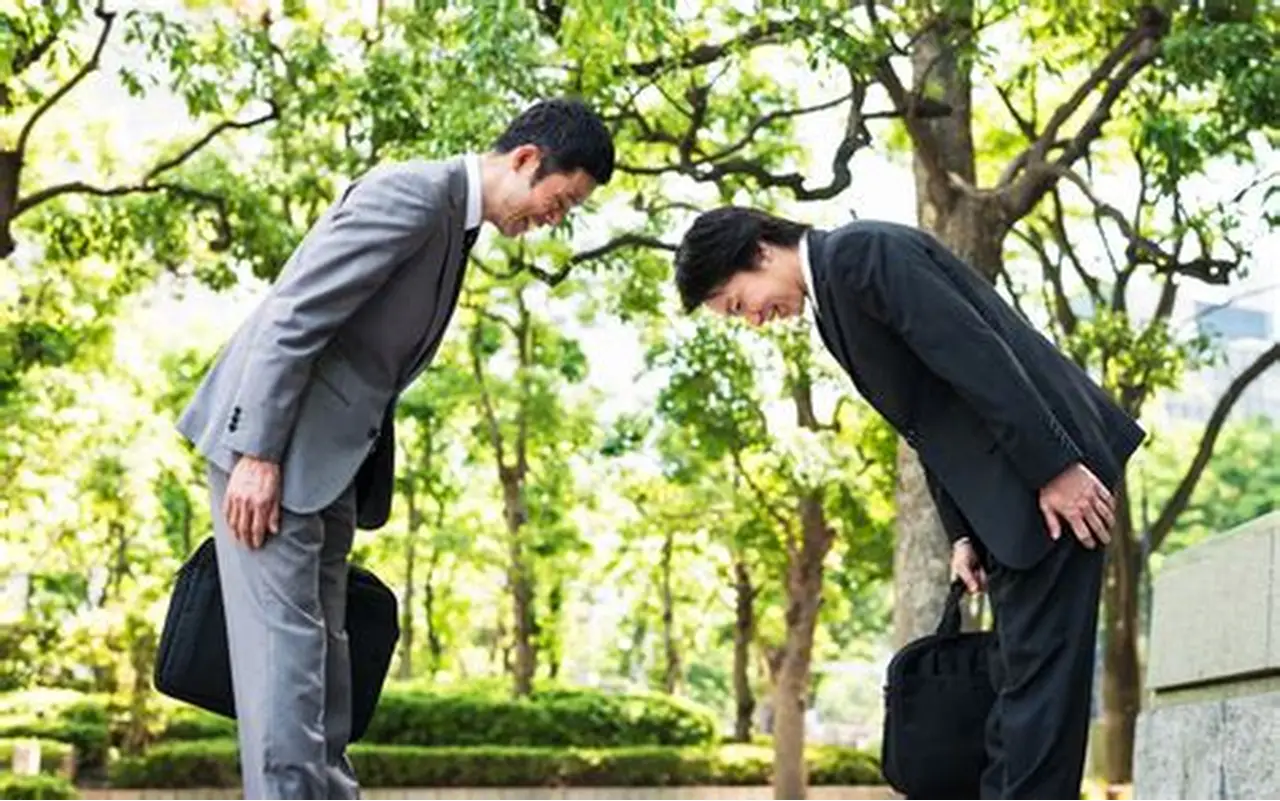
Japanese Greeting Rules Are Very Strict
A slight bow is the most common form of greeting. Handshakes are acceptable in some situations but should be brief and gentle.
Business cards are still widely used in Japan. Receive business cards with both hands and store them carefully. Crumpling or losing a card is considered impolite. When addressing someone, add “-san” after their name to show respect.
Japanese Dining Culture: Refined Traditions and Etiquette Rules
Before meals, diners are usually served a hot or cold wet towel to clean their hands. The towel should not be used to wipe the face.
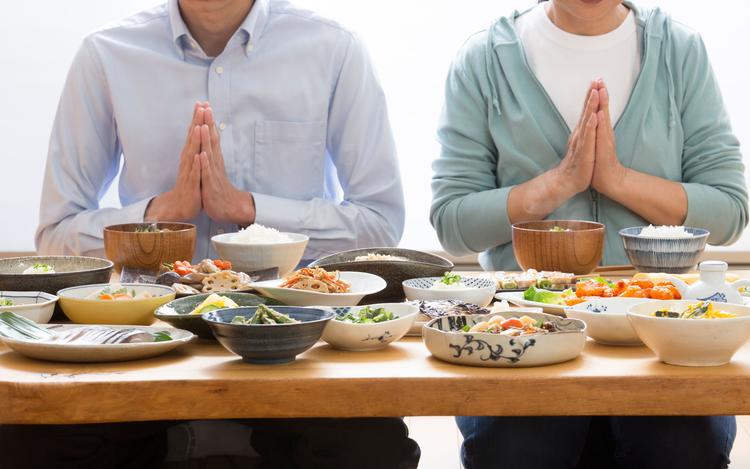
Japan continues to preserve its rules across generations.
When taking food from shared dishes, use the back end of your chopsticks. Visitors may eat small bites and should avoid eating large pieces at once.
Dishes are usually served separately and should be enjoyed individually unless stated otherwise. If unsure, you can politely ask the service staff.
Two actions are strictly avoided: passing food between chopsticks and sticking chopsticks upright in rice. These actions are associated with Japanese funeral rituals.
Additionally, Japanese people rarely eat while walking on the street. They also avoid littering to keep public spaces clean.
Using Public Transportation: Quiet, Orderly, and Respectful
Trains and subways are the most common means of transportation in Japan. On public transport, silence is highly valued. Visitors should avoid loud conversations, loud music, and phone calls.

Passengers must sit in the seat assigned on their ticket. This rule applies even when other seats are available.
To avoid bulky luggage, many Japanese use the Takuhaibin luggage delivery service. Visitors can ask their hotel to help arrange this service.
When taking a taxi, do not open the door yourself. Taxi doors are usually operated automatically by the driver.
Payment and Tipping Culture
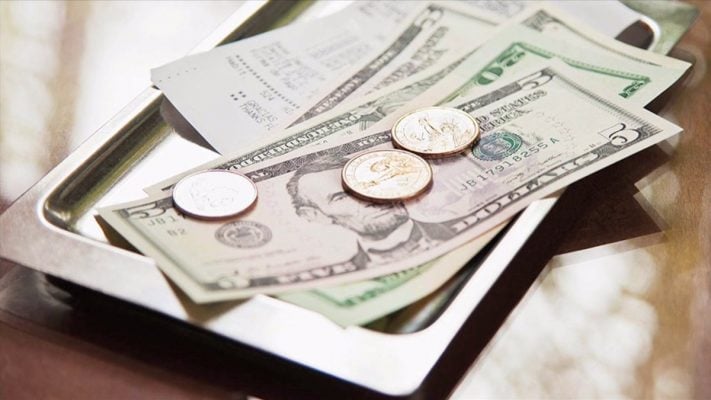
Although card payments are growing, cash remains essential, especially in areas outside Tokyo. Visitors should carry enough cash and keep banknotes clean and unwrinkled.
Tipping culture is almost nonexistent in Japan. In many cases, tipping may make service staff feel uncomfortable.
Onsen Bathing and Public Bath Etiquette
Onsen, or hot springs, are a signature Japanese experience. However, strict rules can confuse many visitors.

Today, many onsen are more welcoming to international guests. Some allow private baths or have relaxed tattoo policies.
At any onsen, remember three essential rules. Bathe completely naked at all times. Wash your body thoroughly before entering the bath. Keep your head and hair out of the water for hygiene.
Dress Code and Etiquette in Traditional Spaces
In places like ryokan, traditional restaurants, and temples, visitors must remove shoes before entering. You are usually provided indoor slippers or may wear socks. Some venues have separate slippers for restrooms, used only in designated areas.
Traditional hotels often provide clothing for use within the property. These include yukata, a light cotton kimono, or jinbei with a kimono-style top. These outfits are suitable for strolling, onsen bathing, or dining in hotel restaurants.
Medical face masks have been common in Japan since before the pandemic. Wearing a mask when having a mild cold is considered polite in public.
Etiquette When Visiting Temples and Shrines
Foreign visitors are welcome at Japanese temples and shrines. However, basic rituals should be followed before entering the main hall. Wash your hands and rinse your mouth at the purification fountain. Offer a small donation and perform bows and claps according to custom. If unfamiliar with rituals, observe local visitors and follow their actions.
Japan values harmony and order in community life. Understanding basic etiquette helps visitors avoid confusion and show cultural respect. Such respect is always highly appreciated by Japanese people.