Removing shoes before entering a house is a basic sign of politeness. This custom is common in Japan and many other countries. When visiting a Japanese home, you should take off your shoes at the entrance. Place them neatly on the shoe rack near the doorway. This tradition comes from the use of Tatami mats inside the house. People usually sit or walk directly on these mats.

The custom of removing shoes before entering a house is very common in Japan.
In many Japanese homes, there are clear signs reminding visitors to remove their shoes. For example, you may see indoor slippers placed near the entrance. If the entrance floor is lower than the living area, it is also a signal. This means you should remove your shoes before stepping inside.
The life expectancy of Japanese people is among the highest in the world.
One interesting fact about Japan is its very high life expectancy. The average life expectancy is about 85.03 years. This figure is slightly lower than Hong Kong, which reaches 85.29 years. Currently, Japan has more than 30,000 people who are over 100 years old. These impressive numbers result from major improvements in healthcare over the past 60 years. Regular exercise and active lifestyles also help Japanese people maintain good health.
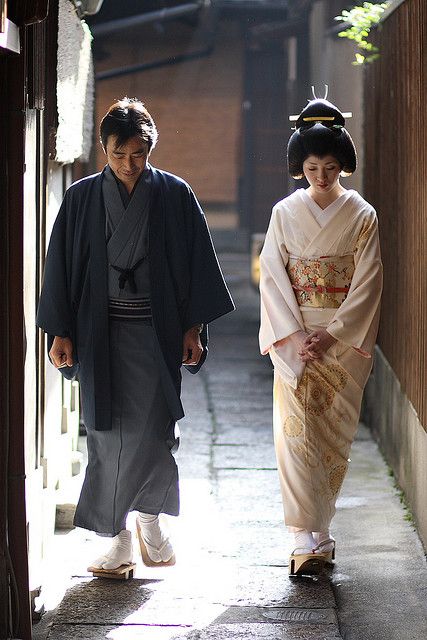
The average life expectancy of Japanese people is about 85 years.
In addition, social welfare policies play an important role in supporting citizens. Japan also pays increasing attention to elderly care and aging research. Many geriatric centers study anti-aging methods and age-related health issues. These efforts greatly contribute to the country’s remarkable longevity.
The culture of slurping noodles while eating.
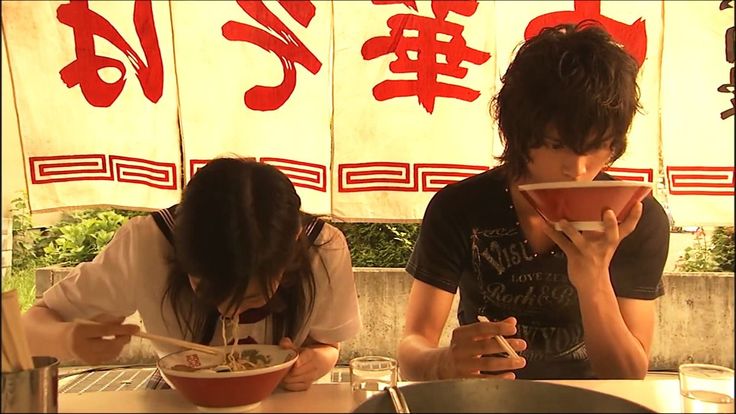
One interesting fact about Japan may surprise first-time visitors. You may hear loud slurping sounds in noodle restaurants. For some people, these sounds can feel unusual or even uncomfortable. However, slurping noodles is a common eating habit in Japan. It helps diners fully enjoy the flavor of the broth and noodles. This is especially common when eating soba noodles. Japanese people believe slurping shows appreciation for the meal. It is also a way to express respect to the chef.
Waste is carefully sorted in Japan.
Japan strongly impresses international visitors with its clean streets and public spaces. This cleanliness exists even without many street cleaners. Both adults and children learn to sort waste from a young age. Over time, waste separation becomes a daily habit.

Regulations on waste sorting and disposal times are strictly and carefully enforced.
In Japan, waste sorting is done very carefully and strictly. Each local area has specific rules for separating garbage. There are also designated days for garbage collection. Residents must dispose of trash early in the morning. Usually, waste must be placed outside before 8:30 a.m. Trash must also be left at the assigned collection points. In general, waste is divided into five main categories. These include burnable waste, non-burnable waste, recyclable materials, bulky waste, and hazardous waste.
Most Japanese people use trains as their main means of transportation.
Japan has an extensive railway network covering most regions of the country. Both locals and tourists often choose trains for transportation and sightseeing. Japanese trains are known for being clean, comfortable, and convenient. They are also famous for their punctuality.
The average delay is only about 18 seconds.

Public transportation is widely used in Japan, especially trains.
When using public transportation, passengers are expected to stay quiet. Many Japanese people treat trains like small libraries. Talking loudly or making noise is considered disrespectful. Such behavior is not appropriate in Japanese public culture.
The number of vending machines
The last interesting fact about Japan we want to share is its large number of vending machines. It is estimated that there is one vending machine for every 23 people in Japan. These machines can be found almost everywhere across the country. They are considered an important part of Japanese culture. You can easily buy drinks, instant noodles, coffee, and many other items from them.

Vending machines can be found on almost every street in Japan.
Conclusion
Above are some interesting facts about Japan that we have compiled and shared with you. We hope this information helps you understand the Land of the Rising Sun better. It may also help you prepare for your journey to this fascinating country.