





Hanoi Milk Flowers: A Fragrant Symbol of Autumn

When autumn arrives, Hanoi dons a new cloak filled with the intoxicating scent of milk flowers. This bloom has become a signature symbol, evoking lasting memories and emotions for locals and visitors alike.
Hanoi Milk Flowers – An Indispensable Symbol of Autumn
As the first autumn breezes arrive, bringing a gentle chill, Hanoi becomes wrapped in a rich, unmistakable fragrance. That is the scent of Hanoi’s milk flowers, deeply woven into the memories and emotions of generations of locals.
Despite mixed opinions about its intense fragrance, Hanoi’s milk flowers are undeniably etched into the city’s autumn memory
To better understand this unique tree, we will explore the origins and fascinating biological traits of Hanoi’s milk flowers
1. Origins and biological characteristics of milk flowers
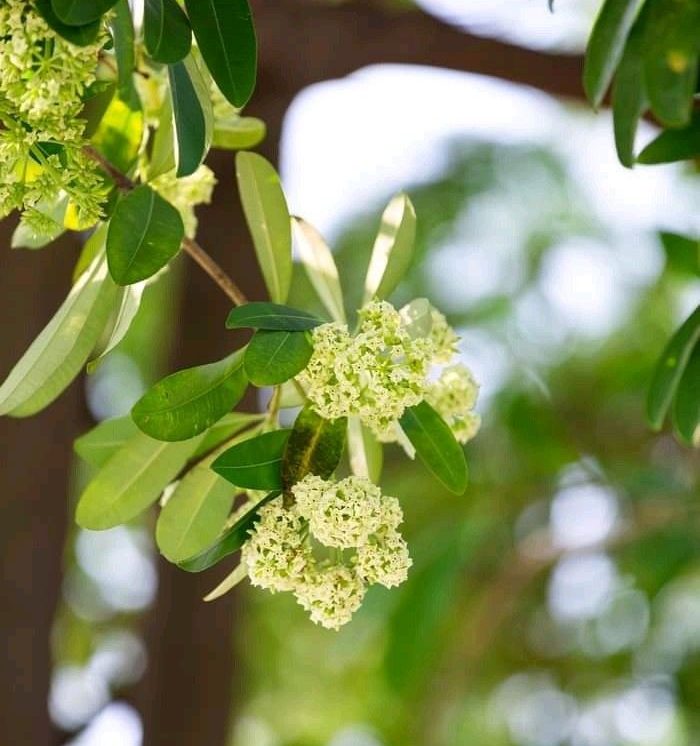
Milk flower, scientifically known as Alstonia scholaris, is a large evergreen tree native to South and Southeast Asia. It typically grows 20–40 meters tall, with dense green foliage that provides gentle shade along Hanoi’s streets.
Its most distinctive feature appears in autumn, when clusters of small, creamy-white blossoms bloom, releasing a rich, unmistakable fragrance. This scent spreads widely through the air, becoming an inseparable part of Hanoi’s autumn atmosphere.
Beyond its beauty and aroma, Hanoi’s milk flower is deeply rooted in the memories and spiritual life of the city’s residents.
2. Hanoi’s Milk Flowers in Vietnamese Culture, Poetry, and Music
The distinctive beauty and fragrance of Hanoi’s milk flowers have become an endless source of inspiration for Vietnamese literature and the arts.
Images of Hanoi’s milk flowers are deeply embedded in poetry, notably in the poem Hoa Sữa by Nguyen Phan Hach, which captures emotional reflections on this flower. In music, the song Ha Noi mua vang nhung con mua by composer Truong Quy Hai, with its evocative lyric about the sweetness of milk flowers at night, has become inseparable from memories of Hanoi’s autumn.
Together, these works vividly highlight the beauty and spiritual significance of Hanoi’s milk flowers in the hearts of Vietnamese people.
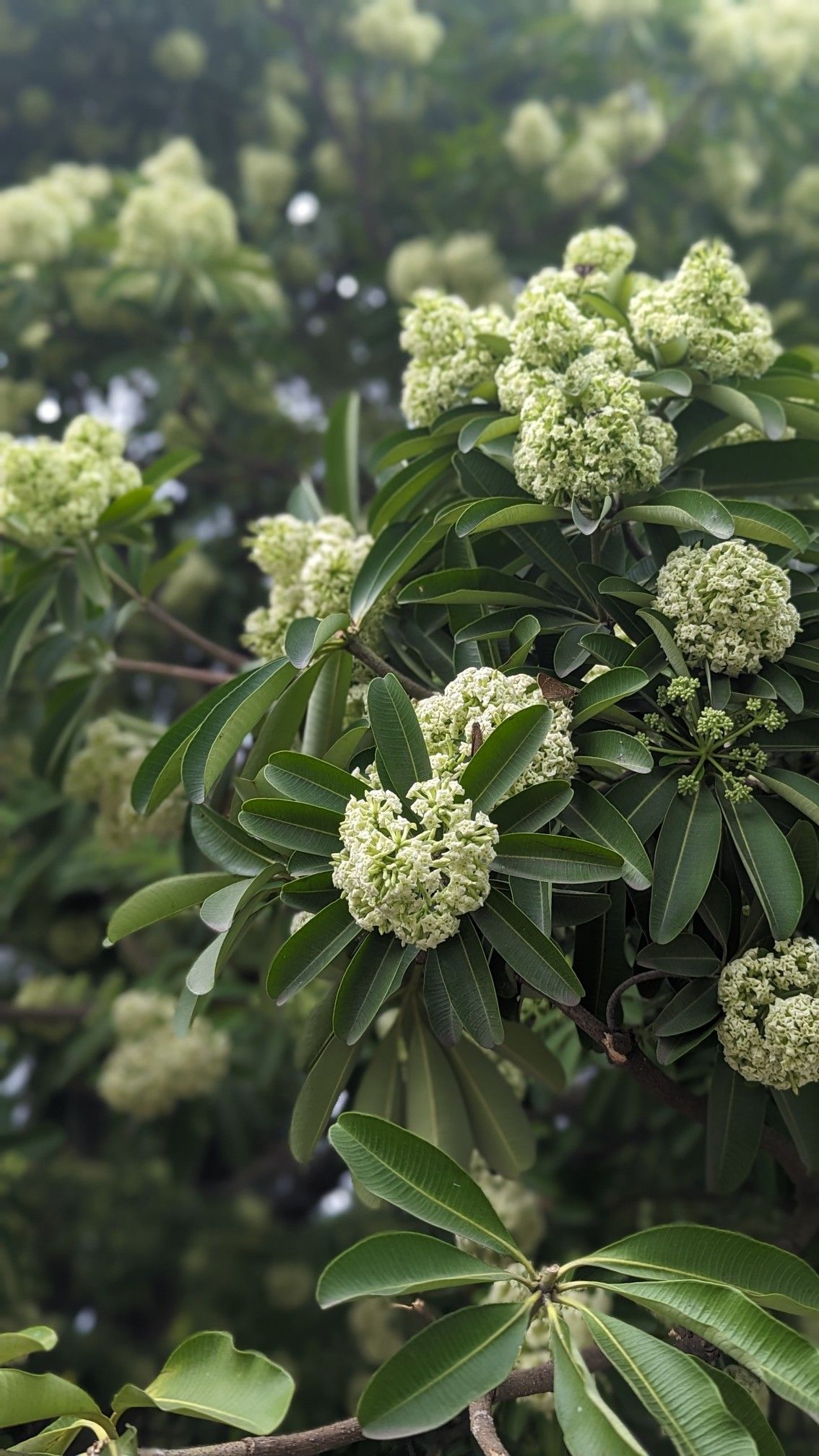
Milk flowers are widely planted along the streets of Hanoi.
3. Hanoi’s Milk Flowers – A Symbol of Love and Memory
The intense fragrance of Hanoi’s milk flowers is often associated with youthful memories and innocent school-time romances. Streets filled with the scent of milk flowers have become romantic meeting places for countless couples.
Even after traveling far away, the aroma of Hanoi’s milk flowers remains an inseparable part of memory—an invisible thread connecting Hanoians to their homeland. Whenever that familiar scent drifts by, old memories come rushing back, stirring a sense of nostalgia and gentle emotion.
However, alongside those who cherish it, there are also many differing opinions and debates surrounding the distinctive fragrance of Hanoi’s milk flowers.
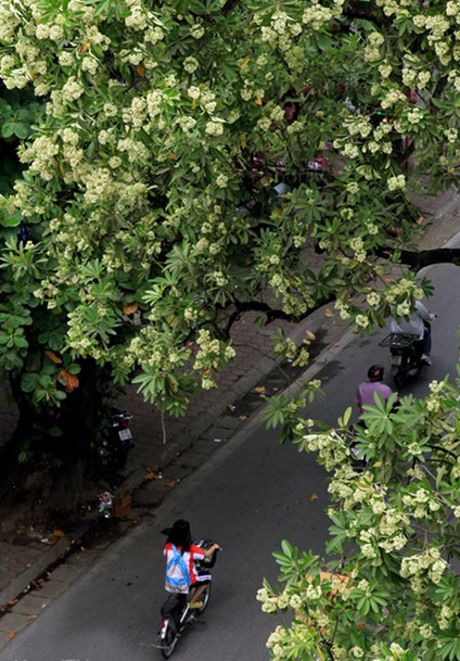
The scent of milk flowers drifts through streets across Vietnam.
Hanoi’s Milk Flowers – A Fragrance That Lasts Forever in Memory
Despite differing opinions, no one can deny that Hanoi’s milk flowers have become an inseparable part of the city’s autumn.
Each time autumn returns, their rich fragrance drifts back, evoking beautiful memories and reflecting the capital’s distinctive cultural identity. Hanoi’s milk flowers are not merely trees, but symbols—fragments of memory and lasting impressions in the hearts of Hanoians and those who have experienced Hanoi in autumn.
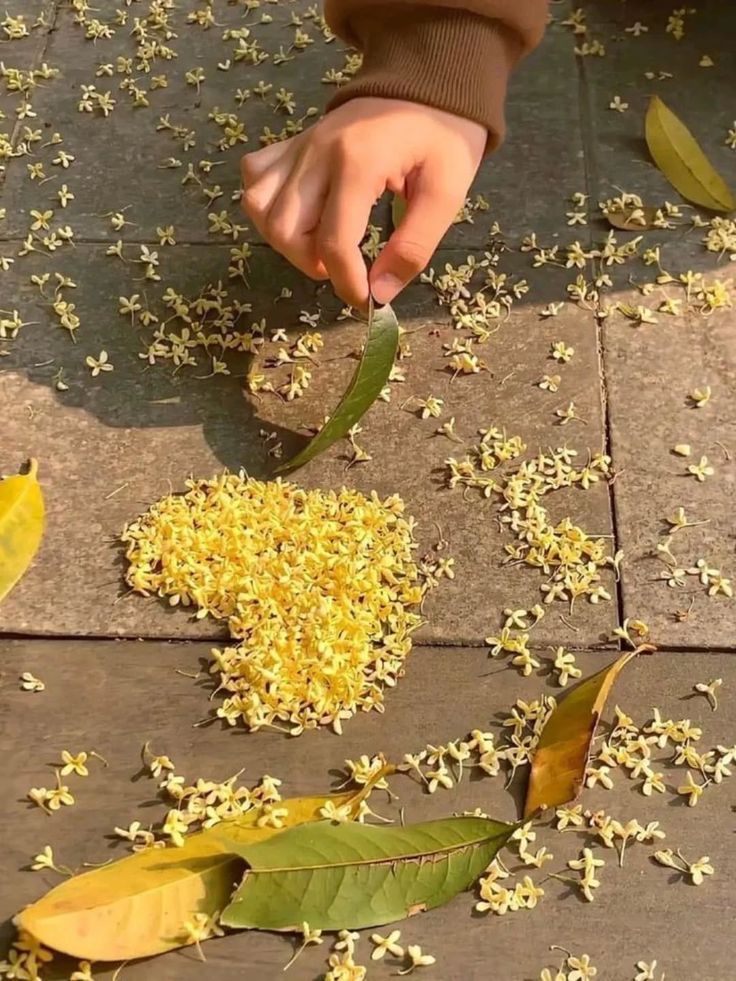
Every time I catch the scent of milk flowers, I know autumn has arrived.
The scent of Hanoi’s milk flowers will continue to linger, recalling a gentle, romantic Hanoi filled with enduring memories.