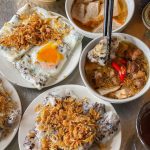






Bánh Mì – An Icon of Vietnamese Street Food Culture

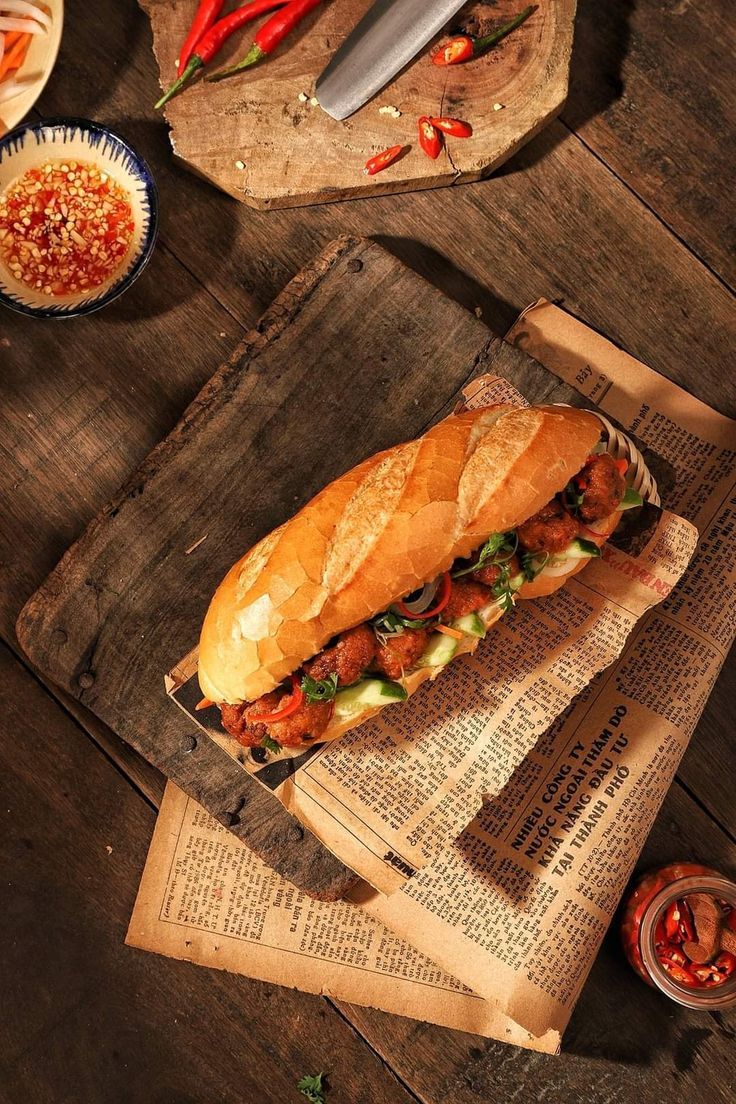
Bánh mì is not just a quick breakfast; it has become a vibrant cultural symbol representing the creativity of the Vietnamese people. Each crispy loaf is a refined combination of traditional baking craftsmanship and signature fillings rich with the flavors of home.
The Journey and Global Spread of Bánh Mì
Bánh mì originated in the late 19th century when the French introduced baguettes to old Saigon. Vietnamese bakers adapted the recipe, creating a lighter crumb and thinner crust for the tropical climate. Over time, bánh mì evolved from a foreign food into the soul of Vietnamese street life. It appears everywhere, from rural villages to busy urban streets.
Today, bánh mì is ranked among the world’s best sandwiches by leading travel magazines. Its recognition in the Oxford Dictionary in 2011 confirmed its global cultural status.
Some famous bánh mì destinations include Hanoi, Saigon, and Hoi An.
The Evolution of Bánh Mì Through Historical Periods
The Signature Flavor Structure of Bánh Mì
The appeal of this dish comes from the layered arrangement of strongly contrasting flavors. Each ingredient acts as a perfect piece, creating harmony in color, aroma, and taste.
The perfectly baked golden crust
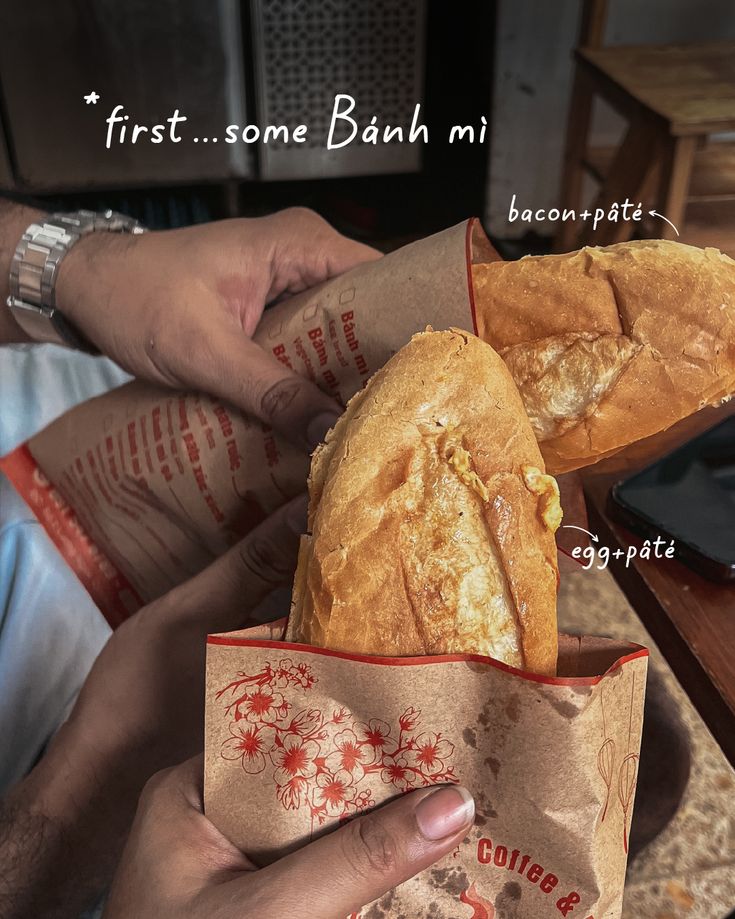
The crispy Vietnamese baguette crust.
A quality loaf should crackle when gently broken, proving ideal crispness after high-temperature baking. The interior crumb must remain soft and slightly moist, absorbing signature sauces without becoming soggy
The rich, creamy pâté filling
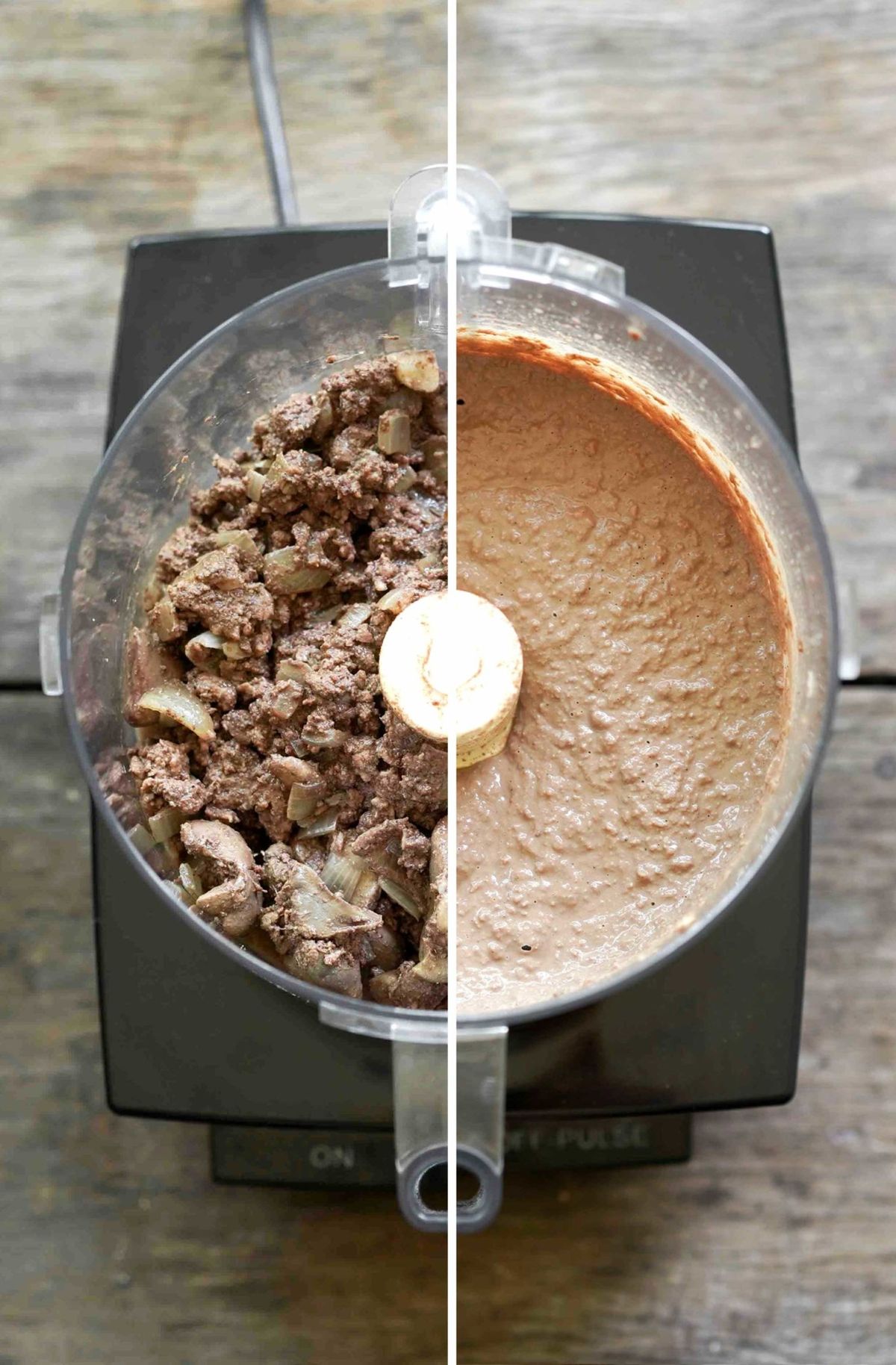
The filling is intricately prepared, creating a rich, creamy flavor.
Pâté is considered the soul binding ingredients together, typically made from pork liver blended with back fat. Its rich, nutty flavor with pepper and shallots awakens the senses from the first bite.
Fresh vegetables and herbs in Vietnamese bánh mì
The pickled carrots and daikon balance the richness of meat and pâté. Cilantro, scallions, and chili slices add freshness, visual appeal, and layers of flavor that cut through heaviness.
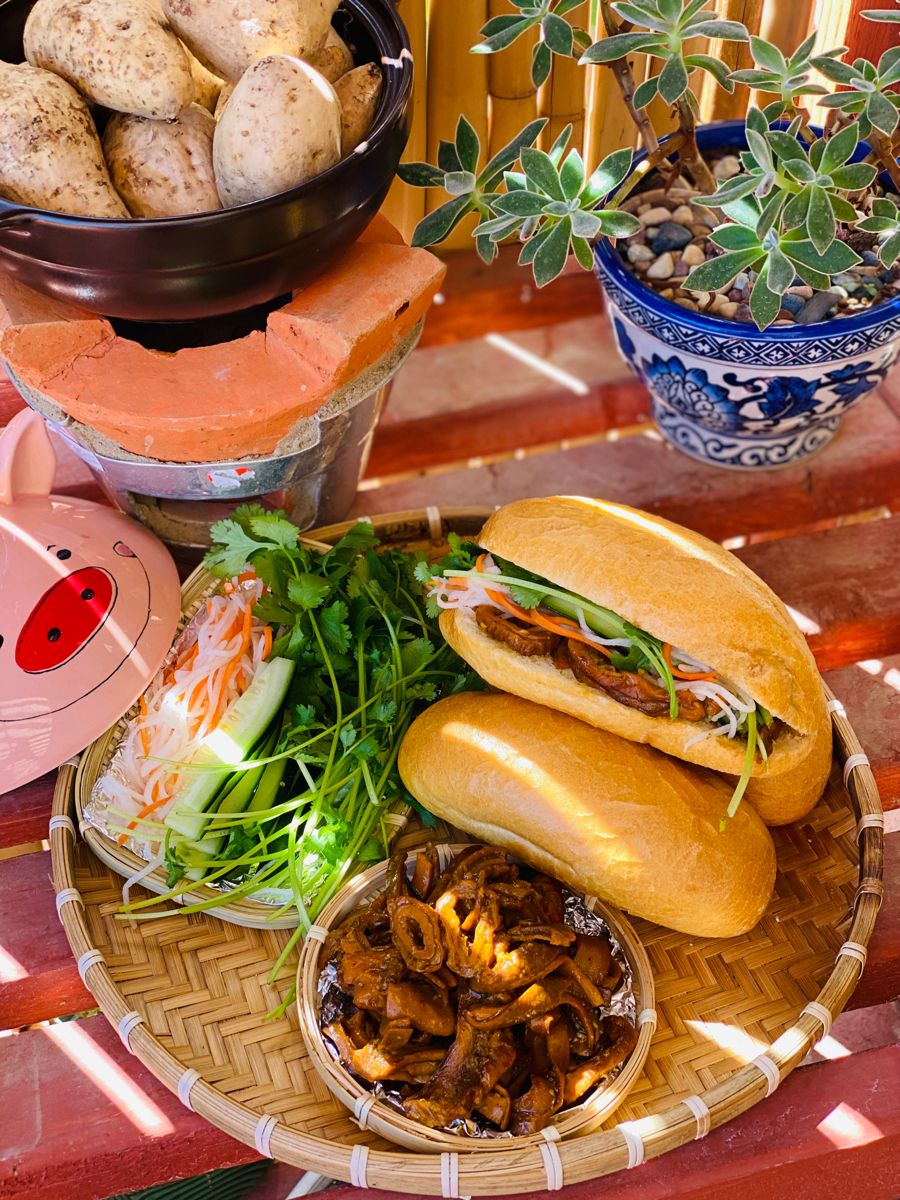
A variety of fresh, clean vegetables combined in bánh mì
A rich, secret signature sauce
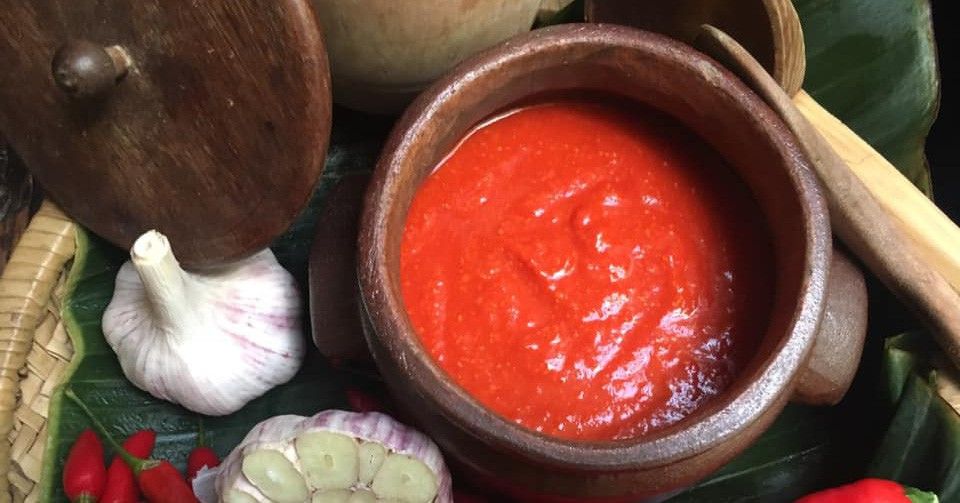
Sauce is the soul of every dish
Each long-established bakery has its own sauce recipe, concentrated from meat broth or blended spices. This liquid element binds all components, creating harmony and depth in the overall flavor experience.
Classification of the most popular bánh mì variations.
Below are standout versions you should try to understand the diversity of this cuisine:
-
Hải Phòng baguette stick: Bite-sized, intensely spicy with chili sauce and rich handmade pâté.
-
Hội An variation: Famous for meticulous sauces and savory char siu, often called the world’s best bánh mì.
-
Fish cake filling: Common in coastal areas, featuring hot fried fish cake, Vietnamese coriander, and chili fish sauce.
-
Bánh mì chảo: A unique style with eggs, sausage, and pâté served sizzling in a small pan.
-
With phá lấu: Crispy bread paired with rich beef offal stew, a signature Saigon combination.
-
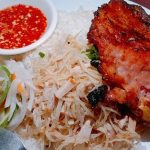
Grilled pork filling: Lemongrass-marinated pork grilled over charcoal, irresistibly aromatic for an afternoon bite.
Nutritional value and health benefits of bánh mì
Though often labeled fast food, bánh mì offers surprising nutritional balance when ingredients are carefully chosen. The mix of carbohydrates, animal protein, and vegetable fiber provides an instant energy-boosting meal.
Calorie content of meat bánh mì
On average, a fully filled meat provides about 400–600 calories, suitable for a high-energy main meal. Adjusting butter and sauce amounts helps control daily calorie intake.
Benefits of the accompanying vegetables
Adding pickles and herbs enhances flavor while supplying essential vitamin C and dietary fiber. These plant ingredients aid digestion when consuming protein-rich foods.
Ingredient choices for diet-conscious eaters
For weight loss, replacing fatty meats with chicken breast or eggs, paired with whole-grain bread, is optimal. You can still enjoy great flavors without worrying about weight gain or heart health.
Conclusion
Bánh mì is a living heritage showcasing the intelligence and culinary refinement of Vietnamese people for centuries. We hope this overview has given you deeper insight into this iconic street food.