





8 Interesting Facts About Vietnam

Vietnam – Timeless Beauty
Vietnam is a long and narrow country, shaped like the letter “S”, located in Southeast Asia on the eastern edge of the Indochinese Peninsula. Below are 8 captivating charms of Vietnam that you should know…
1. Home to the World’s Largest Cave
Son Doong Cave is the largest cave in the world. Located in Phong Nha–Ke Bang National Park, a UNESCO World Heritage Site, the cave stretches over 9 kilometers in length, with sections where the ceiling rises up to 200 meters high.
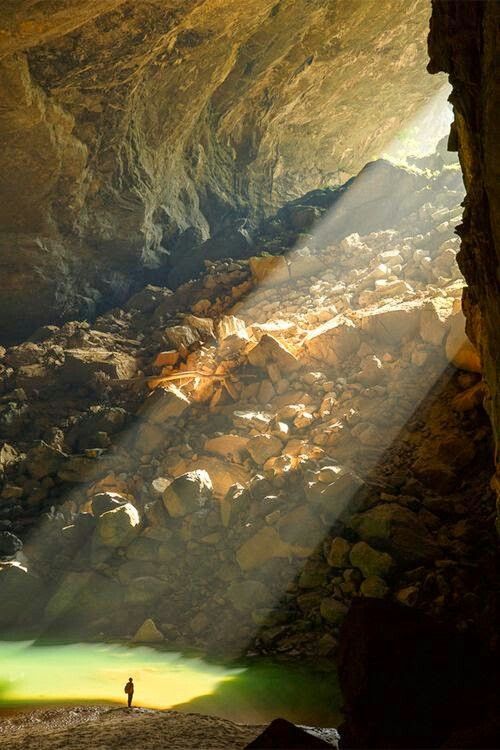
A glimpse of Son Doong Cave in Vietnam
Beyond basic facts, Son Doong feels like a hidden parallel world beneath the Earth. Massive sinkholes allow sunlight to nourish lush forests growing deep inside the cave. Its stalactites are enormous, with columns reaching 70–80 meters, the largest ever recorded. The cave stays cool year-round, with mist and clouds creating a mystical atmosphere. Scientists believe Son Doong formed millions of years ago through underground river erosion. More than a tourist site, Son Doong is a priceless geological and biological heritage.
2. Land of Thousand-Year-Old Brick Temples
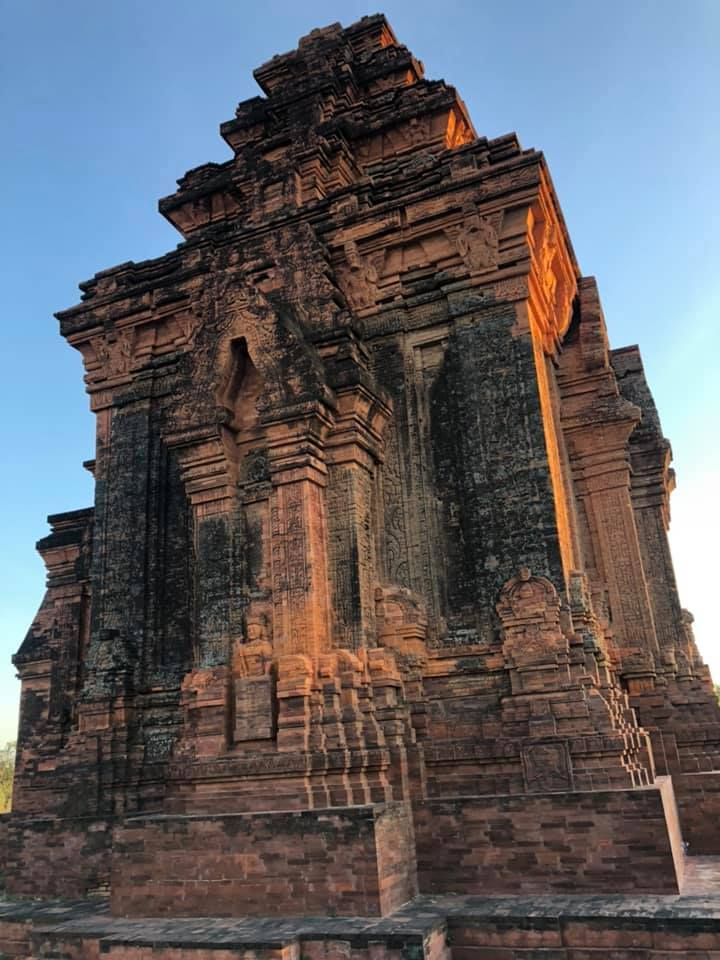
Ancient Cham Towers are unique religious structures of the Champa Kingdom, built mainly between the 7th and 15th centuries. They are widely found in Central Vietnam, including Quang Nam, Da Nang, Binh Dinh, Ninh Thuan, and Binh Thuan.
Highlights:
-
Cham towers were built with fired bricks fitted tightly, with bonding techniques still mysterious today.
-
They served as Hindu worship sites, especially dedicated to Shiva, symbolized by Linga–Yoni.
-
The towers rise elegantly, featuring intricate carvings blending Indian influence with Cham identity.
- Many famous Cham tower complexes include My Son Sanctuary (Quang Nam– a UNESCO World Heritage Site), Po Nagar Towers (Nha Trang), and Banh It Towers (Binh Dinh).
Today, these ancient Cham towers are not only important historical and cultural relics but also destinations that reveal the brilliance of a once-flourishing civilization in Central Vietnam 🌾.
3. Mountains, Lagoons, and Beaches
Lang Co fishing village is located near Da Nang. The village is embraced by the majestic Truong Son Mountains and the mysterious Lap An Lagoon. Its 10-kilometer-long beach is considered one of the most beautiful in the world.
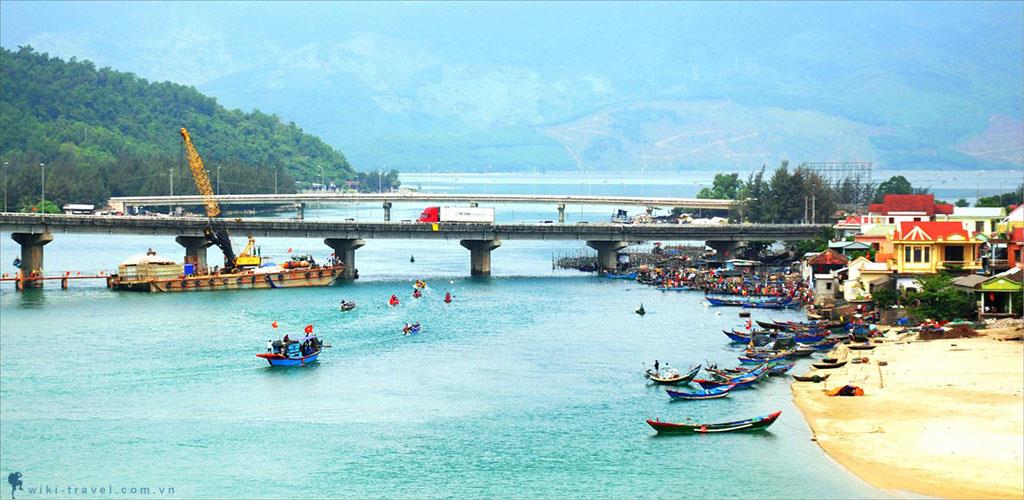
Panoramic view of Lang Co fishing village in Da Nang, Vietnam
The village is closely tied to traditional fishing life, with locals mainly catching fish, shrimp, and squid near the shore. Early in the morning, the village comes alive as boats return, fishermen haul nets, and sort their catch. Lang Co is famous for its long beach, white sand, clear water, with the sea ahead and Hai Van Pass behind. Life here moves slowly, with friendly locals preserving long-standing coastal customs and traditions.
Today, despite growing tourism, Lang Co fishing village retains its unspoiled charm.
It is an ideal destination for those seeking fishing culture and a peaceful, nature-filled escape.
4. Vietnam Is Home to an Ideal Scenic Spot to Play Chess with the Jade Emperor
Located on the Son Tra Peninsula in Da Nang, about 700 meters above sea level, Ban Co Peak is an ideal spot to admire panoramic views of the city.
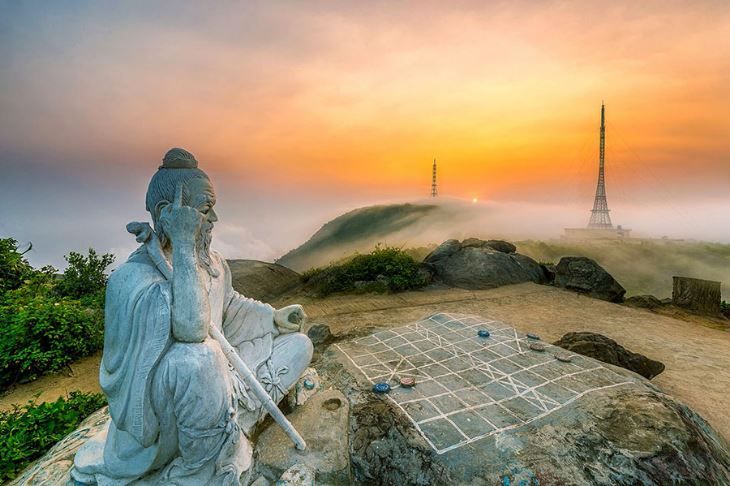
Con Son stretches into the distance; standing before the celestial chessboard, one contemplates the sorrows of the human world
Ban Co Peak is a famous landmark on the Son Tra Peninsula in Da Nang, rising about 700 meters above sea level.
The site is linked to a legend about two immortals playing chess, so absorbed that they forgot time. When one lost, he turned into stone—giving the place its name, Ban Co (Chessboard Peak). From the summit, visitors can enjoy sweeping views of Da Nang, including the blue sea, Han River, the city, and Hai Van Pass on clear days. The air is cool and fresh, often wrapped in drifting clouds, creating a scene both majestic and poetic.
It is a popular spot for sightseeing, photography, and nature lovers visiting Son Tra. Beyond its scenery, Ban Co Peak is captivating for its mythical charm, adding romance and mystery to Da Nang’s natural landscape
5. Dragons Are More Than Just a Symbol
According to ancient Vietnamese folklore, the Vietnamese are descendants of dragons. To the Vietnamese, dragons bring rain—an essential element for agriculture. The Vietnamese dragon symbolizes yang in yin–yang, representing the universe, life, existence, and growth.
The dragon symbolizes strength and sacred power, closely linked to water, rain, rivers, and seas—central to agrarian and coastal life.
In Vietnamese culture, the dragon represents national origins (Children of the Dragon and Fairy), expressing unity and aspiration. Dragon legends explain natural phenomena while conveying hopes for prosperity and peace.
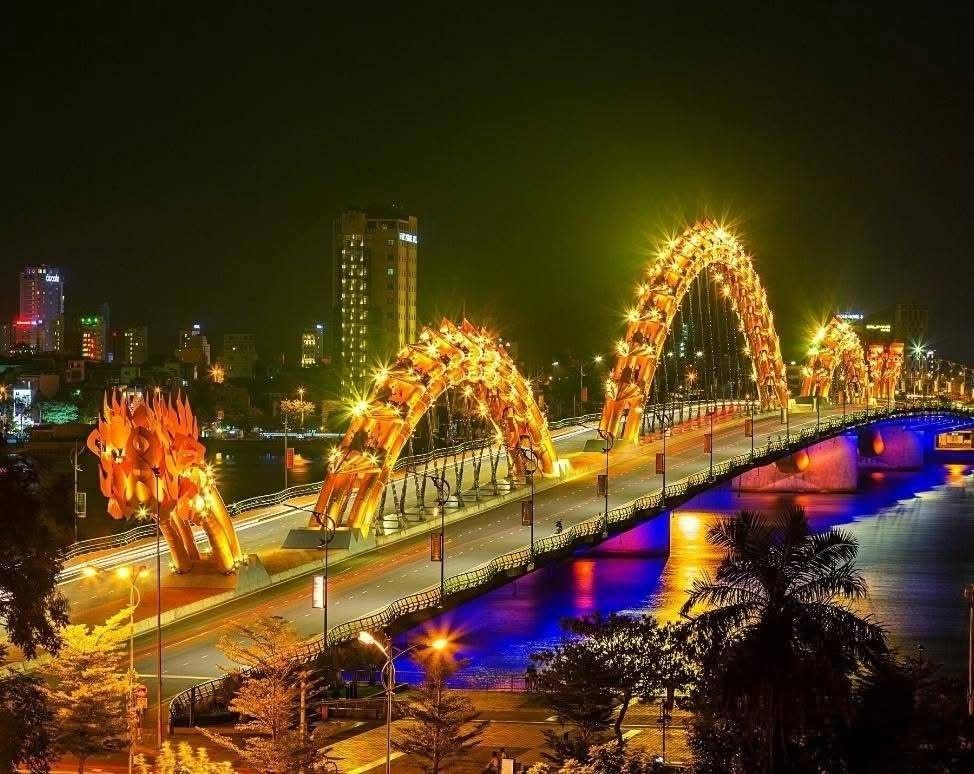
A fire-breathing dragon was built on the Da Nang Dragon Bridge.
Today, the dragon bridges past and present, becoming a cultural and tourism icon in architecture, festivals, and landmarks like the Dragon Bridge.
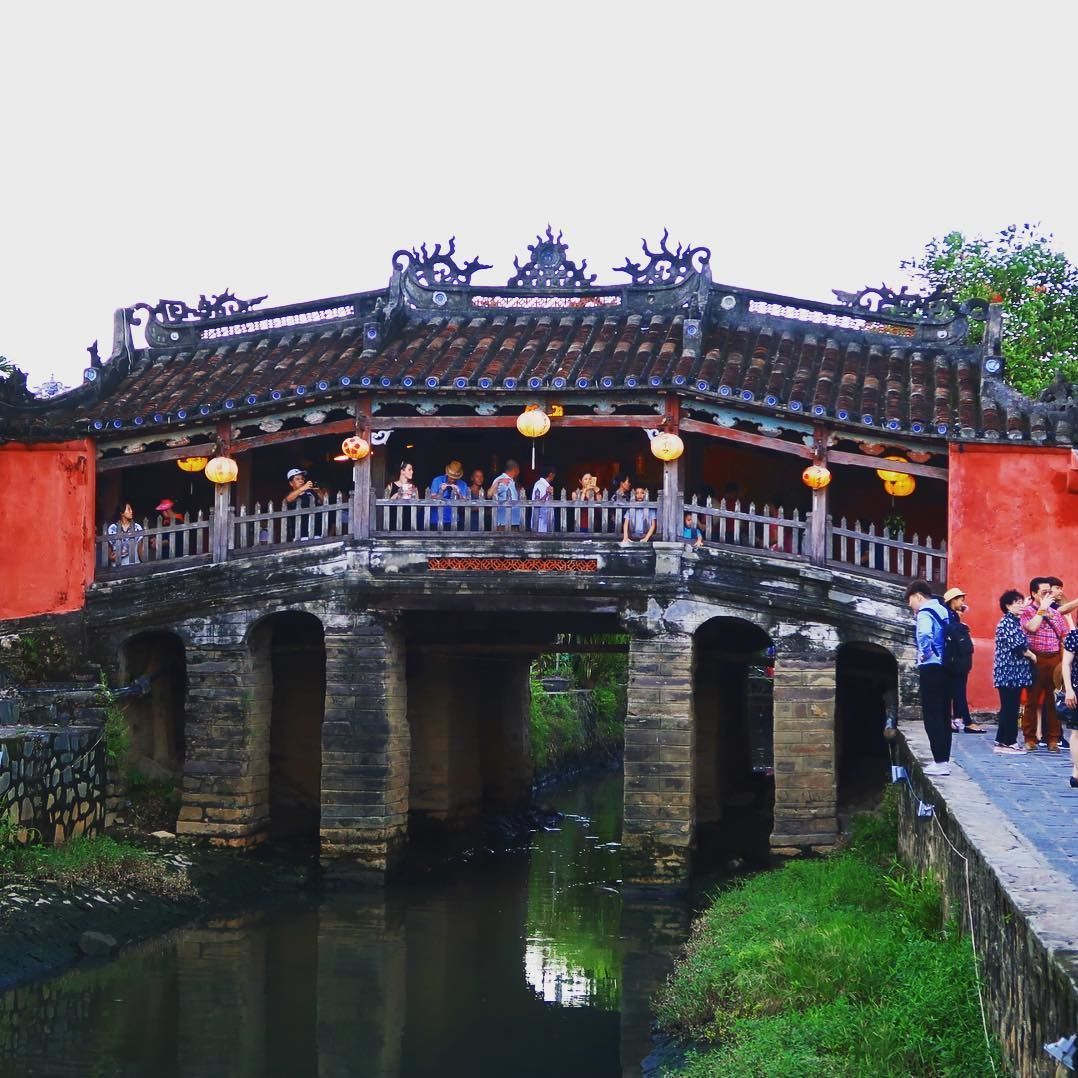
6. Spectacular Bridges
Many Vietnamese dishes are based on the Five Flavors: spicy (Metal), sour (Wood), bitter (Fire), salty (Water), and sweet (Earth), as well as the Five Colors: white (Metal), green (Wood), yellow (Earth), red (Fire), and black (Water).

A traditional Five-Element–balanced meal in Vietnam
The traditional Vietnamese meal follows the Five Elements theory—Metal, Wood, Water, Fire, and Earth—expressed through colors, flavors, and cooking methods.
Wood (green): boiled or stir-fried vegetables, pickles, symbolizing growth and renewal.
Fire (red): braised dishes, stir-fries, chili, caramelized shrimp, representing warmth and energy.
Earth (yellow/brown): rice, fried foods, eggs, tofu, symbolizing nourishment and stability.
Metal (white): soups, rice noodles, vermicelli, steamed fish, representing purity.
Water (dark/blue-green): seaweed soup, mushrooms, wood ear fungus, symbolizing balance and softness.
More than a meal, the five-element tray conveys wishes for family harmony and good health, often seen at family meals, festivals, Tet, and ancestral ceremonies. This is the refined beauty of Vietnamese culinary culture, where every meal carries meaning, harmony, and connection.
8. A Burst of Fascinating Native Biodiversity
Vietnam’s mountains, dense forests, wetlands, and long coastline create diverse habitats for wildlife. The country is home to around 270 mammal species, 180 reptiles, 80 amphibians, and 800 bird species.
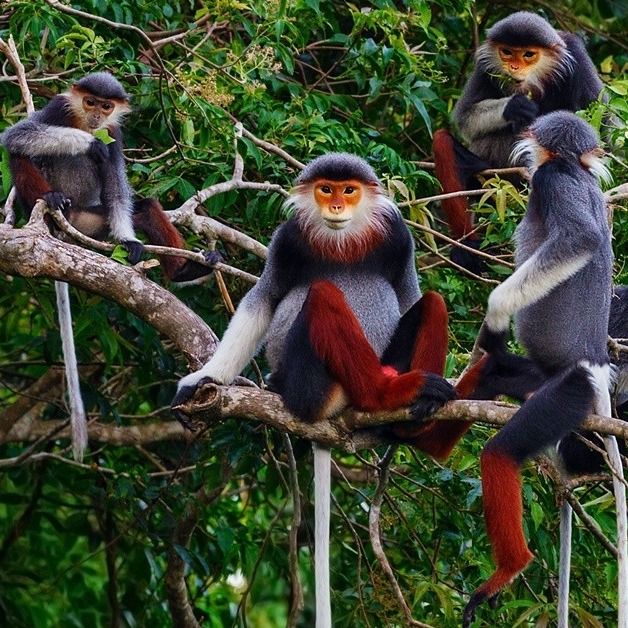
Biodiversity conservation at Cuc Phuong National Park, Ninh Binh, Vietnam